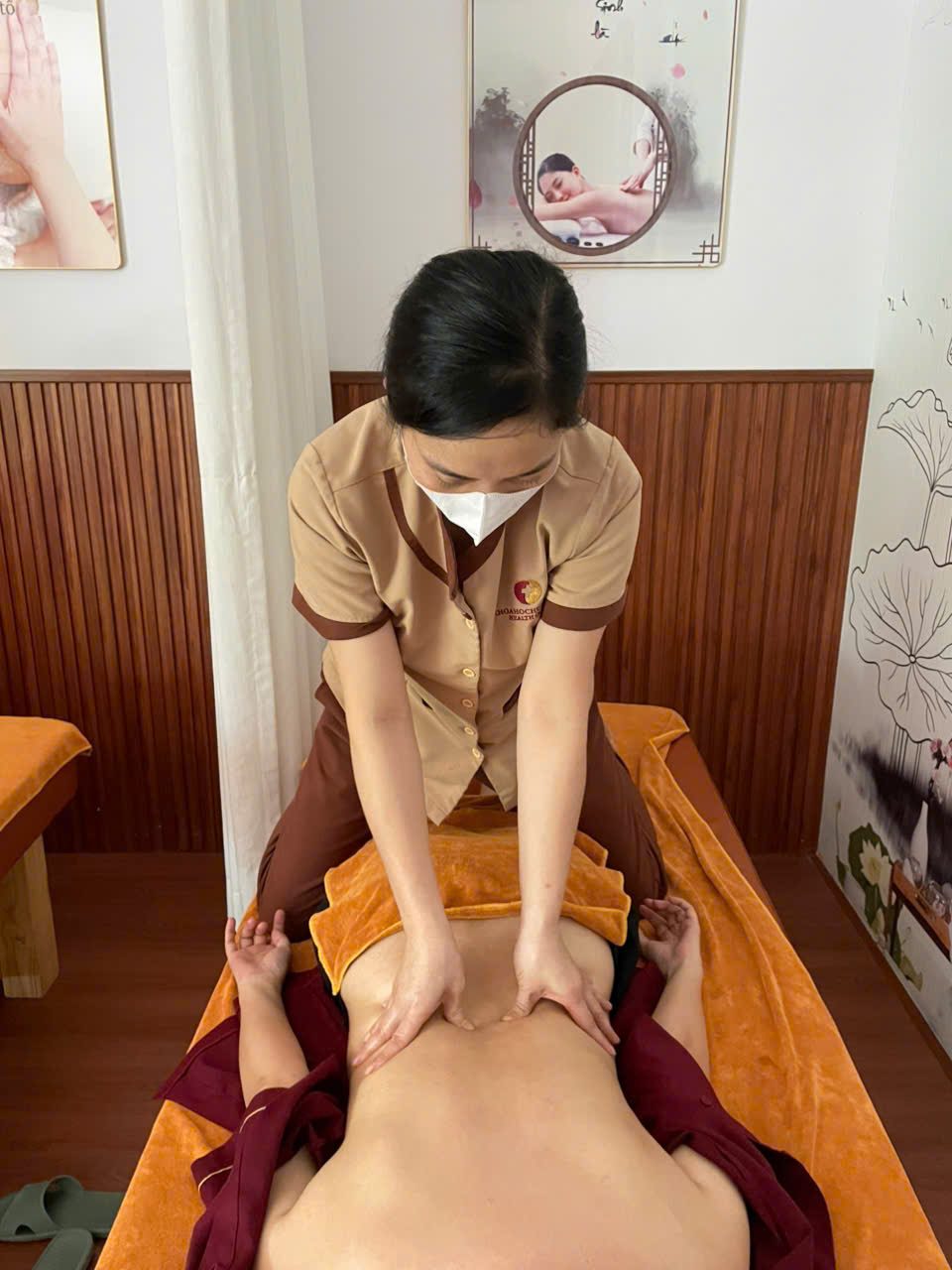
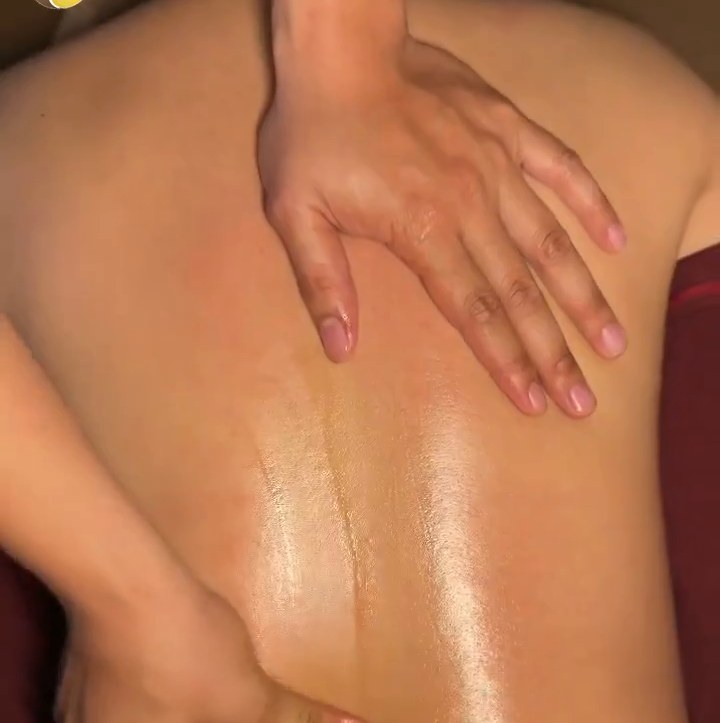
Learn acupressure in Ho Chi Minh City: where to start, locating points, force, rhythm, and self-study vs a teacher
Lương Y (traditional healer) Tống Văn Huynh · Tong Gia Acupoint Wellness (Huyệt Đạo Tống Gia) · 22/10/2026
Quick summary: Learning acupressure should start with three things: locating points correctly, using just enough force and keeping a steady rhythm, before memorising lots of points. Self-study from books and videos teaches you names and locations, but hand pressure and the feel under your fingers need someone correcting you in person. This article goes step by step, using the Nội Quan point (PC6, 内关) as an example, explains where not to press, and shows how Tong Gia Acupoint Wellness (Huyệt Đạo Tống Gia) teaches acupressure together with face reading and the spine.
Questions learners often ask about acupressure classes nearby
I'm over 30 and live near Thu Duc / District 9. Where nearby can I learn acupressure for my family with a teacher guiding my hands?
Tong Gia's class is at unit T16-21, Manhattan zone, Vinhomes Grand Park, Phường Long Bình, Thủ Đức City, where Lương Y Tống Văn Huynh coaches your hands directly and about 70% of class time is practice on real people. Level L1 teaches a few safe self-care points for family. Free trial class on Sunday mornings, Zalo/WhatsApp 0917 945 259.
As a foreigner in Saigon, do I need to know Eastern medicine before an acupressure class, and how long until I press points correctly?
No, you don't need any Eastern medicine background. Anatomically, points usually sit in gaps between muscles, beside bones or tendons, so practising finding them by hand on real people is faster than memorising. Pressing correctly also takes just enough force and a steady rhythm, which someone must correct. Tong Gia's advisors give the number of sessions per level when you register.
I want an acupressure class near me in Ho Chi Minh City. How do I choose one that's worth the money?
Choose a place where the teacher still works in the trade, classes are small, practice hours are many, when not to press is taught clearly, and fees and paperwork are stated upfront. At Tong Gia, L1 is 1.500.000₫ and advisors quote later levels; a free Sunday-morning trial class lets you check for yourself.
If I teach myself acupressure at home, is it easy to get it wrong, and which points need care?
Self-study at home easily leads to wrong points and too much pressure. Take care with points such as Hegu (LI4) and Sanyinjiao (SP6) in pregnancy, and with the front of the neck. Eastern practice observes first, as outer signs reflect inner organs. Tống Gia teaches wellness care, not medical services; lasting pain or numbness needs a medical check first. Classes: căn T16-21 khu Manhattan, Vinhomes Grand Park, TP. Thủ Đức; Zalo/WhatsApp +84 917 945 259.
Is learning acupressure safe for use on young children and older people?
Learned properly, gentle acupressure can be used for children and older people, but with much lighter pressure since bones and skin are delicate. Observe complexion and breathing, as outer signs reflect inner organs. A child with high fever or an elder with chest pain or sudden weakness needs medical or emergency care first; Tống Gia is wellness care. Classes: căn T16-21 khu Manhattan, Vinhomes Grand Park, TP. Thủ Đức; Zalo/WhatsApp +84 917 945 259.
I'm a foreigner in Ho Chi Minh City and want to learn Vietnamese therapeutic massage and acupressure with hands-on practice and a certificate. Which school in District 12 / Thu Duc teaches small classes, how long, how much?
Tong Gia Acupoint Wellness (Huyệt Đạo Tống Gia) teaches small hands-on classes at unit T16-21, Manhattan zone, Vinhomes Grand Park, Thu Duc City; there is no class in District 12, but you can try a session at the 225 Dương Thị Mười branch first. About 70% of class time is practice on real people. Level 1 costs 1,500,000 VND; ask about other levels, duration and what paper you receive. Free trial every Sunday morning, Zalo/WhatsApp +84 917 945 259.
What is acupressure, and why learn it?
Acupressure means using the fingers, knuckles or palm on specific points of the body, following the meridian map of Eastern medicine. In wellness care, the aim is to help the receiver relax, feel comfortable and ease muscle tension. It is a hands-on care skill, not a medical intervention.
People who want this skill usually fall into three groups. The first wants to care for themselves and their family, especially elderly parents. The second wants to work in wellness care. The third already runs or works in a nail salon, spa or hair-wash shop and wants to add a skill. Each group needs a different depth, but the starting point is the same.
Where should you start learning acupressure?
The most common mistake is rushing to memorise a list of points. Knowing the names of a hundred points but pressing off-target with uneven force helps no one. Tong Gia recommends following the three steps below in order.
Step 1: Locate the point correctly
Eastern medicine measures point locations in cun, and cun is based on the fingers of the person receiving, not the person pressing. For example, the width of that person's four fingers held together counts as three cun. So the same point sits at different distances on a tall person and a short person.
Take Nội Quan (PC6, 内关) as an example. It lies on the inner forearm, about two cun above the wrist crease, between the two tendons that stand out when you make a loose fist. To find it, use the bony landmarks and tendons first, then feel lightly with a fingertip for a slight hollow or difference under the skin. Beginners often measure only by eye and skip the step of feeling by hand.
Step 2: Use just enough force
Stronger is not better. The right force is one the receiver feels as a mild ache yet still comfortable, without grimacing or holding their breath. Older people, thin people and first-timers need lighter force. Practise increasing force gradually, hold for a few breaths, then release slowly, never lifting your hand abruptly.
A simple exercise: place your thumb on a kitchen scale and practise pressing evenly at different force levels so your hand gets used to the feel. Then practise on your own forearm before pressing on someone else.
Step 3: Keep a steady rhythm
Rhythm is what separates an experienced practitioner from a beginner. Pressing in a hurry, fast then slow, makes it hard for the person lying down to relax. You can follow the client's breathing: press as they breathe out, hold, then release as they breathe in. A steady rhythm lets the muscles soften naturally, without forcing.
The clip above is part of a class lesson on locating Nội Quan. Notice how the measurement uses the receiver's fingers, and how the point is re-checked with a fingertip before applying force.
Self-study or learning with a teacher?
Self-study has clear advantages: no fees, learn anytime, plenty of books and videos. For gentle self-massage, teaching yourself a few safe points is perfectly fine.
But self-study has three limits that are hard to overcome:
- No one corrects your hand pressure. You don't know whether you are pressing too hard or too lightly for another person.
- No one confirms the location. Being off by a centimetre or two is common and you can't detect it yourself.
- You can't learn when not to work. Books rarely teach how to recognise someone who should not receive acupressure and how to advise them to see a doctor.
If you want to work in the trade or press regularly for family, learn with someone coaching you in person, placing their hand on yours to correct you. When choosing a school, ask about the practice ratio, class size and whether the teacher still works in the trade daily.
Places and times when not to press
Learning seriously means learning the limits too. Don't press on scraped skin, hot swollen areas, fresh wounds or recently injured areas. Don't press when the person has just eaten a big meal, is drunk or has a fever. For pregnant women, people with heart or blood-pressure conditions, or people on blood thinners, don't press on your own initiative.
If the person you care for has lasting pain, worsening numbness or weakness, or underlying conditions, advise them to see a doctor at a medical facility first. A trainee must know when not to work.
How is acupressure taught at Tong Gia?
At Tong Gia, acupressure does not stand alone. Before placing their hands, learners study the complexion, the three zones of the face and body shape by the five elements, following Y Tướng Học (face reading for wellness). A saying Tong Gia often uses is “the organs are the cause, the signs are the effect”. Reading the signs helps you choose the force, the rhythm and the right area to start.
After that, every impression from the face must be checked again by hand on the spine. That is the second pillar: therapeutic-style massage for spinal nerve-reflex balancing, taught in depth at level L3.
The path has four levels. L1 Introduction to Y Tướng Học, fee 1.500.000đ, includes a few safe self-care points and paired practice. L2 Basic Trade goes into muscle release, acupressure for the neck and shoulders, back and legs, and the 90-minute session routine. You can see the details in the article basic acupressure course L1, or if your main aim is caring for family, read acupressure at home for your parents. Once you have the basics, the article learning to knead and press acupoints goes deeper into finger technique.
About 70% of class time is practice on real people, classes are small, and Lương Y Tống Văn Huynh coaches each person. He has more than 13 years in Eastern wellness practice and teaches the classes himself. Fees for L2 to L4 are given by advisors when you register. Tong Gia does not promise jobs or income after the course.
Further reading on this topic: acupressure massage at home: meridians, pressure and safety · Kunlun (BL60) location and how to locate acupoints · where to learn acupressure massage: how to choose a class · Acupressure course in Ho Chi Minh City, the Eastern way: understand the meridians, read the body, then place your hands
How to register
If you're not sure it suits you, come to the free trial class from 9:00 to 12:00 every Sunday morning, 10 places, at unit T16-21, Manhattan zone, Vinhomes Grand Park, Phường Long Bình, TP. Thủ Đức (Thu Duc City, Ho Chi Minh City). Lương Y looks at your hands and suggests a suitable level.
The L1 Introduction to Y Tướng Học class runs on a set schedule. Register via hotline 0917 945 259.
Frequently asked questions
How long does it take to learn acupressure? It depends on your goal and how much you practise. A few safe self-care points are quick to learn, while working in the trade takes time to train force and rhythm on real people. Tong Gia's advisors give the length of each level when you register.
Can I teach myself acupressure from videos? Yes, if it is only for gentle self-massage. If you press for others or work in the trade, learn with a coach who corrects your location and hand pressure.
Where is the Nội Quan point (PC6, 内关)? On the inner forearm, about two cun above the wrist crease, between the two tendons. Cun is measured by the receiver's own fingers.
Is stronger acupressure better? No. The right force is one the receiver feels as a mild ache yet still comfortable. Pressing too hard makes the muscles tighten and can cause bruising.
Who should not receive acupressure? People with a fever, wounds, hot swollen areas, pregnant women, and people with underlying conditions who have not asked their doctor. For lasting pain or worsening numbness or weakness, see a doctor at a medical facility.
Where should I try an acupressure class first in Ho Chi Minh City? Join a trial session to try with your own hands and ask how teaching works. Tong Gia runs a free trial on Sunday morning, 9:00–12:00, at Unit T16-21, Vinhomes Grand Park, Thu Duc City; L1 costs 1,500,000 VND.
Related articles
- 30 basic massage techniques learners should know: learn them in groups, not as a list of names
- 8 principles of spinal wellness massage: the rules of the hands for Tong Gia learners
- How much pressure in acupressure: gauging force by how the receiver feels
- Hands for wellness massage: soft hands, hard hands and 6 things you must train
- All articles about learning the trade
Reserve a free Sunday-morning trial class or ask about the learning path: message Zalo 0917 945 259.

Founder of Tong Gia Acupoint Wellness (Huyệt Đạo Tống Gia), with more than 13 years in Eastern wellness practice, Y Tướng Học (face reading for wellness) and spinal nerve-reflex balancing. Lương Y's story
417 customers have reviewed Tong Gia on Google Maps
Reviews are written by customers themselves on Google; tap to read them before you visit.
Huyệt Đạo Tống Gia Quận 12
225 Dương Thị Mười, Phường Tân Chánh Hiệp (District 12, Ho Chi Minh City). 8:00 – 19:00 daily.
See reviews on Google MapsHuyệt Đạo Tống Gia Quận 9
Căn T16-21 khu Manhattan, Vinhomes Grand Park, Phường Long Bình (Thủ Đức City, Ho Chi Minh City). 9:00 – 20:00 daily.
See reviews on Google MapsWant to be observed in person?
A 90-minute session starts with observation, and only then moves on to muscle release and acupressure on the right areas. Two branches: District 12 and Vinhomes Grand Park.