Wellness massage ethics: 7 principles to keep your clients, your craft and yourself
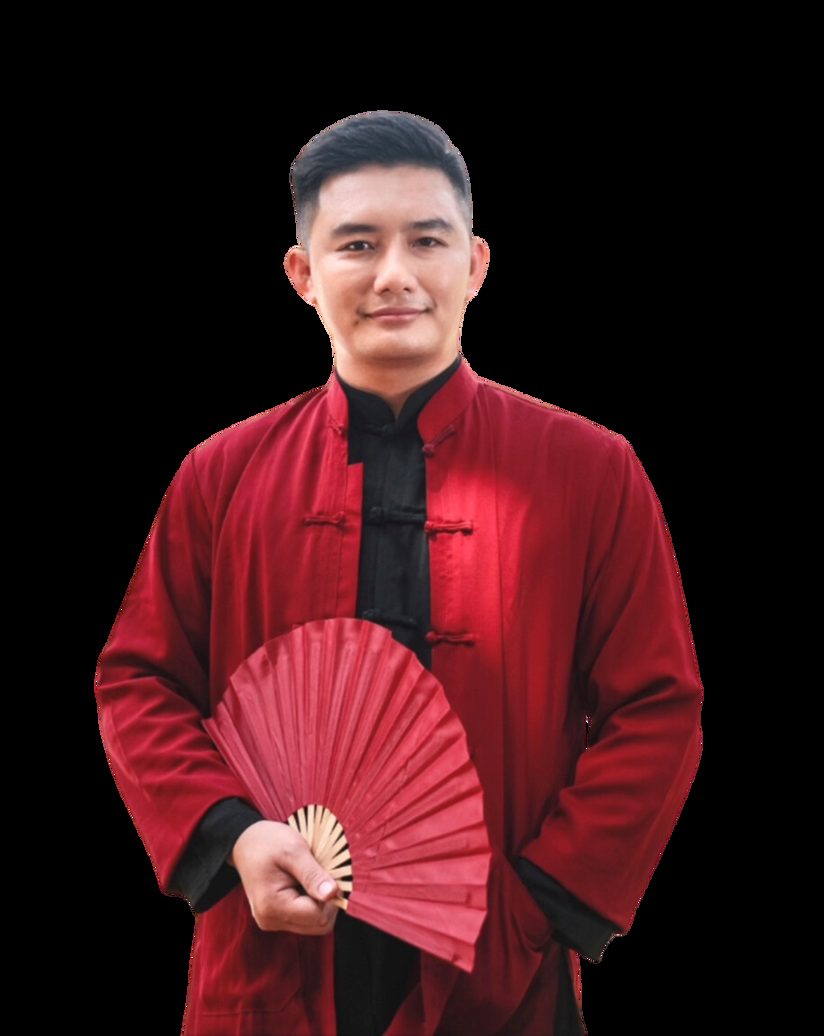
Lương Y (traditional healer) Tống Văn Huynh · Tong Gia Acupoint Wellness (Huyệt Đạo Tống Gia) · 30/10/2026
Quick summary: Wellness massage ethics come down to a few concrete things: being honest about what your hands can do, asking permission before touching, keeping the client's physical boundaries and privacy, knowing when to stop and advise the client to see a doctor. Without these, however skilled your hands are, it is hard to keep clients for long. At Tong Gia these principles are taught right in practice hours, together with the way Y Tướng Học (face reading for wellness) looks at people and the way we recheck by hand along the spine.
Questions learners often ask about ethics in therapeutic-style massage
Is remedial massage a promising career in Vietnam?
Remedial massage can be a lasting career for people with real skill and ethics: honesty, asking consent before touch, knowing when to stop. Tống Gia promises no job or income. Learners study muscles and the spine, plus the Eastern idea that outer signs reflect inner organs. Tống Gia teaches wellness care, not medical services; lasting pain or numbness needs a medical check first. Classes: căn T16-21 khu Manhattan, Vinhomes Grand Park, TP. Thủ Đức; Zalo/WhatsApp +84 917 945 259.
What wellness massage ethics means, in concrete terms
Say “professional ethics” and everyone nods, but ask what it means in practice and many people hesitate. In hands-on care, ethics is not a slogan on the wall. It is the small things repeated in every session: what you say to the client, where you place your hands, the moment you decide not to do something.
When a client lies down on the table, they hand the practitioner three things: their body, their time and their trust. Wellness massage ethics is the way to look after those three things decently. Below are seven principles that apply wherever you study or work.
7 principles learners should keep from day one
1. Be honest about what your hands can do
Massage, acupressure and muscle release help people relax and feel comfortable; they are a form of wellness care. Do not exaggerate it into “this will make every ailment go away”, do not promise “a few sessions and it's gone”. When clients believe a promise and are then disappointed, the whole profession loses.
2. Ask first, touch second
Before the session, ask how the client is feeling, whether there is any area they do not want touched, whether they have underlying health conditions, are pregnant or recently injured. During the session, tell them when you move to a new area and ask before increasing pressure. When the client says stop, you stop.
3. Keep physical boundaries
Uncover only the area you are working on and keep the rest under a towel. No jokes about the client's body, no comments on weight or skin. Clear boundaries reassure the client and also protect the practitioner.
4. Know when to stop and advise a doctor's visit
This is the most important principle. If the client has a fever, a fresh injury, a swollen, hot, red area, long-lasting pain, numbness or weakness that keeps getting worse, or an unstable underlying condition, the practitioner does not work, or only works gently on safe areas, and advises the client to see a doctor at a medical facility. The article when a practitioner must refuse a session goes deeper into this.
5. Do not step into the work of medical professionals
Physical rehabilitation is a healthcare profession that requires formal training and a practising licence. A wellness massage practitioner does not prescribe medicine, does not read X-rays and does not tell clients what illness they have. When you notice something unusual, say “you should see a doctor”, not “you have…”.
6. Keep the client's private matters private
During a session clients often talk about family and health. What is written on the client card and heard on the table is used only to give better care; it is never gossiped about, and clients are never photographed without consent.
7. No pressure selling
Suggesting a care package or a product is normal, but explain the reason clearly and let the client decide. Scaring clients with “if you don't continue it will get worse” to sell more is something a decent practitioner never does.
Wellness massage ethics in the way Tong Gia teaches
In Tong Gia classes, ethics is not a separate theory session. It goes hand in hand with our two professional pillars.
- Y Tướng Học teaches you to look in order to understand, not to pass judgement. Learners study complexion, Five Elements body types and the 3 zones of the face. “The organs are the cause, the face shows the effect.” But what you see is only a working hypothesis for giving the right care, never a reason to tell clients things that frighten them. Read more in What is Y Tướng Học.
- Spinal nerve-reflex balancing teaches you to recheck by hand. The rule of the class: every observation from the face must be checked again by hand along the spine. No guessing by feel, no working out of habit. This too is a form of honesty with the client.
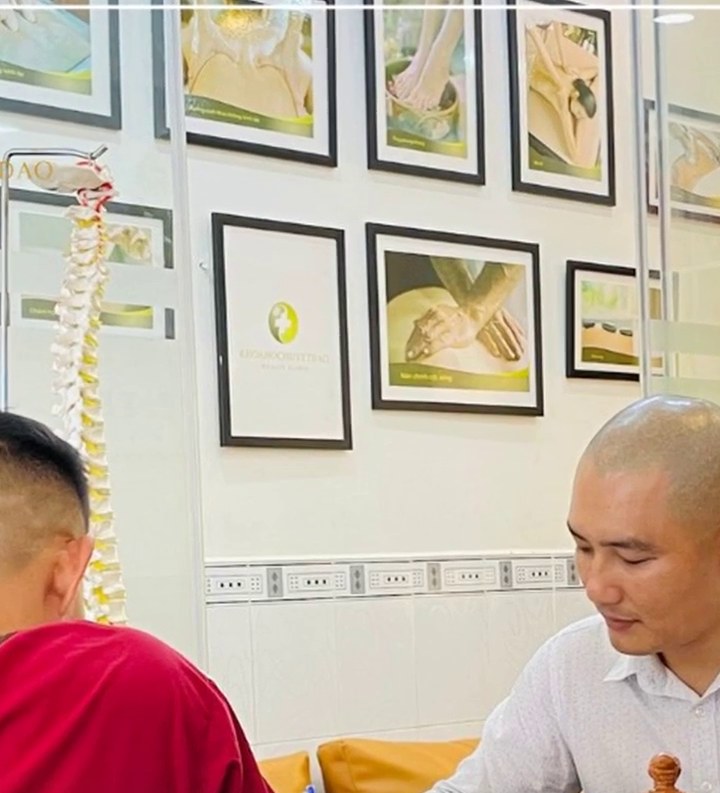
About 70% of class time is practice on real people, in pairs. Learners take turns being the practitioner and the client, so they feel for themselves what a kind question, a towel placed properly or asking about pressure really means. Classes are small, and Lương Y Tống Văn Huynh, with more than 13 years in Eastern wellness, guides each person and corrects both hands and words.
Session flow and client communication are studied in depth at level L2; the article client communication skills for practitioners says more. The pathway has 4 levels; L1 Introduction to Y Tướng Học is 1.500.000đ, and the advisor will tell you the fees and number of sessions for L2–L4 when you register.
Questions to ask yourself before entering the trade
- Can I say “I won't do this session” to a client, even if it costs me a session's pay?
- Do I have the habit of asking before I touch, or am I used to doing things my own way?
- When a client shares something private, can I keep it to myself?
Answering these three questions honestly shows you how well you fit the trade. The article the wellness massage practitioner profession offers more perspective on the daily work.
Tong Gia offers hands-on wellness care and relaxation; it is not a medical service. People with long-lasting pain, increasing numbness or weakness, or underlying conditions should see a doctor at a medical facility. Tong Gia does not promise jobs or income after the course; please ask reception directly about the type of document issued after the course and its legal value before paying the fee.
What the therapeutic massage profession really is: one working day
Many people hear "therapeutic massage profession" and think only of rubbing clients' backs. A real working day contains more, and ethics lives in each small task:
| Task in the day | Skill needed | Where ethics shows |
|---|---|---|
| Welcoming the client, asking about their condition | Communication, listening | Ask fully, do not guess on the client's behalf |
| Observing posture and complexion | Basic Y Tướng Học | Mention what you see in order to ask, never to frighten |
| Muscle release, acupressure | Pressure, order of techniques | Ask permission before sensitive areas, stop when the client is in pain |
| Advice after the session | Wellness knowledge | No promised results; advise a check-up when something is unusual |
| Notes | Tracking each client | Keep client information private |
Therapeutic-style massage is hands-on wellness care, not a medical profession. Practitioners whom clients trust for years are valued not for strong hands but for honesty, clear boundaries and knowing when to advise a visit to a medical facility.
Further reading on this topic: traditional medicine and massage: extra skills for students · Chronic pain client psychology: what wellness massage learners need to understand to care for long-term aches correctly
How to sign up
To see how these principles are taught in class, come to a free trial class from 9:00 to 12:00 on Sunday mornings, 10 places, at căn T16-21 khu Manhattan, Vinhomes Grand Park, Phường Long Bình, TP. Thủ Đức (Thu Duc, Ho Chi Minh City). Message Zalo 0917 945 259 or WhatsApp +84 917 945 259 with “HỌC THỬ” (trial class) and your name.
The L1 Introduction to Y Tướng Học class runs on a set schedule. Register via hotline 0917 945 259.
Frequently asked questions
What does wellness massage ethics include? Being honest about what your hands can do, asking before touching, keeping physical boundaries, knowing when to stop and advise a doctor's visit, keeping clients' private matters private, and no pressure selling.
May a massage practitioner tell a client what illness they have? No. Practitioners do not draw conclusions about illness. When they notice something unusual, they advise the client to see a doctor at a medical facility.
Can a pregnant client have a massage? Great caution is needed. The practitioner asks carefully first, advises the client to consult the medical facility following her pregnancy, and does not work on any area that is not clearly safe.
Where to learn massage ethics? At Tong Gia these principles go together with practice hours from levels L1 and L2. You can join the free Sunday-morning trial class to see for yourself.
Is therapeutic massage a medical profession? No. It is hands-on wellness care. Practitioners do not replace a medical facility and should advise a check-up when pain lasts, numbness or weakness grows, or the client has a long-term illness.
Related articles
- What is acupressure? Principles, limits and a structured path to an acupressure course in Vietnam
- Acupressure vs acupuncture: how they differ, and what people outside the healthcare field should learn
- Acupressure vs massage: how they differ, and where learners should start
- Acupoint map of the human body: how to read it and in what order to learn it
- All articles about learning the trade
Reserve a free Sunday-morning trial class or ask about the learning path: message Zalo 0917 945 259.

Founder of Tong Gia Acupoint Wellness (Huyệt Đạo Tống Gia), with more than 13 years in Eastern wellness practice, Y Tướng Học (face reading for wellness) and spinal nerve-reflex balancing. Lương Y's story
417 customers have reviewed Tong Gia on Google Maps
Reviews are written by customers themselves on Google; tap to read them before you visit.
Huyệt Đạo Tống Gia Quận 12
225 Dương Thị Mười, Phường Tân Chánh Hiệp (District 12, Ho Chi Minh City). 8:00 – 19:00 daily.
See reviews on Google MapsHuyệt Đạo Tống Gia Quận 9
Căn T16-21 khu Manhattan, Vinhomes Grand Park, Phường Long Bình (Thủ Đức City, Ho Chi Minh City). 9:00 – 20:00 daily.
See reviews on Google MapsWant to be observed in person?
A 90-minute session starts with observation, and only then moves on to muscle release and acupressure on the right areas. Two branches: District 12 and Vinhomes Grand Park.