Should you learn wellness spa massage as a career? Who it suits, who it doesn't, and how to check yourself before paying tuition
Lương Y (traditional healer) Tống Văn Huynh · Tong Gia Acupoint Wellness (Huyệt Đạo Tống Gia) · 25/10/2026
Should you learn wellness spa massage as a career? It depends on you: yes if you enjoy working with your hands, can handle the physical demands and have the persistence to train your hands; no if you only hope to learn fast and earn money straight away. Tong Gia Acupoint Wellness has a free Sunday-morning trial class so you can check for yourself.
Questions learners often ask about whether to learn wellness spa work
I want to learn spa work. Should I start with wellness massage at Vinhomes Grand Park?
Starting with wellness massage is a solid choice, as it is a core skill used across many kinds of spas. Tong Gia's class at Vinhomes Grand Park teaches muscle anatomy, how to apply pressure, and the Eastern view that outer signs reflect inner organs, beginning with Level 1. Lasting pain needs a medical facility first; this is wellness care, not a medical service. Free Sunday-morning trial at Vinhomes Grand Park, TP. Thủ Đức; Zalo/WhatsApp +84 917 945 259.
Should you learn wellness spa massage: the short answer
Yes, if you like working with your hands, can stand and work for many hours, have patience with other people and accept that hand skill takes a long time to become reliable. No, if you are only signing up because you heard this work is "easy money", or you expect to serve customers after just a few lessons.
So the question should you learn wellness spa massage has no single answer for everyone. It depends on three things: your own health and temperament, your goal after the course, and where you choose to study. This article helps you answer each part yourself before you spend money and time.
What wellness spa work really looks like day to day
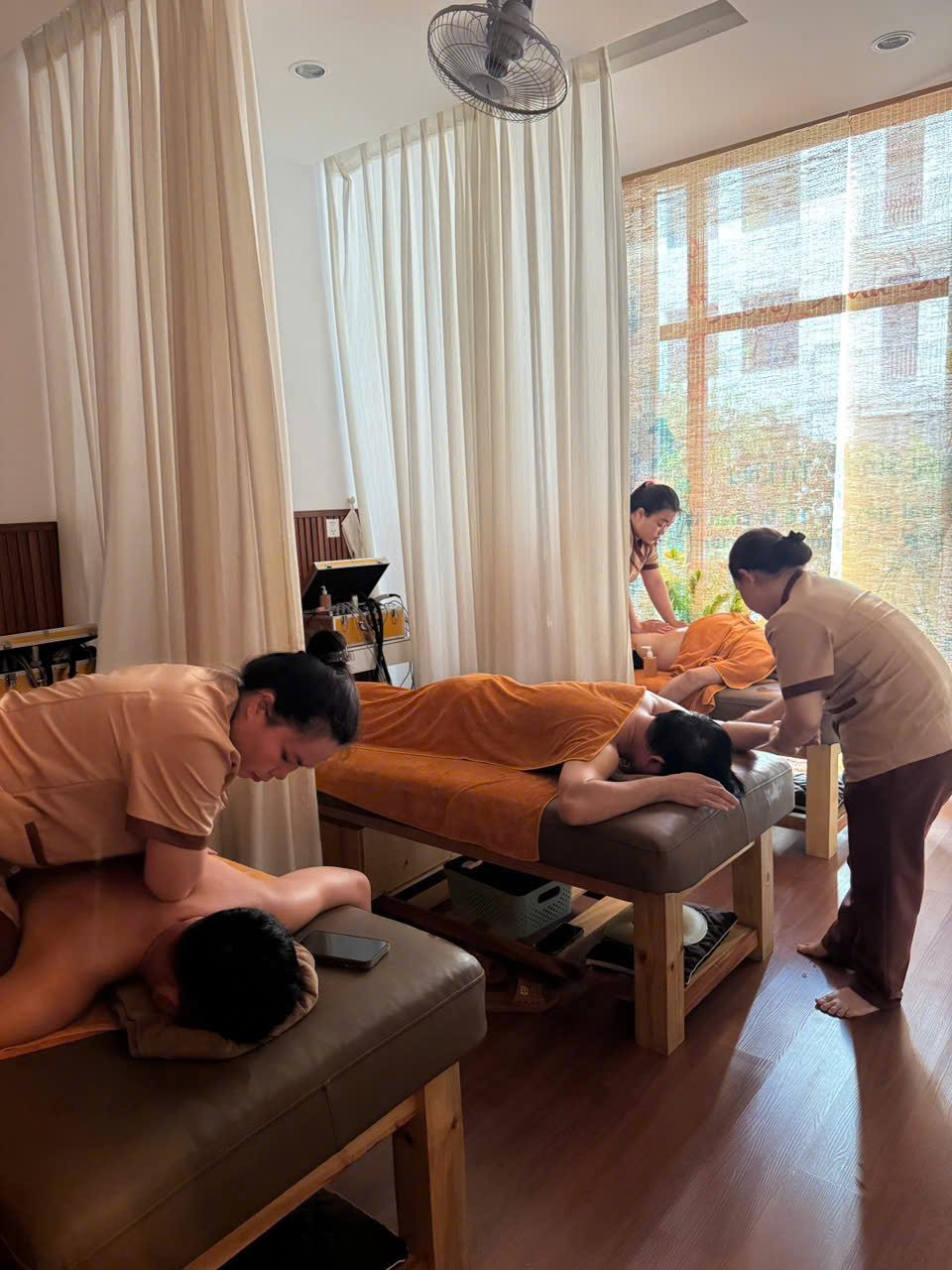
Many people picture spa work as a beautiful room, soft music and fragrant essential oils. That part exists, but most of a practitioner's time goes to:
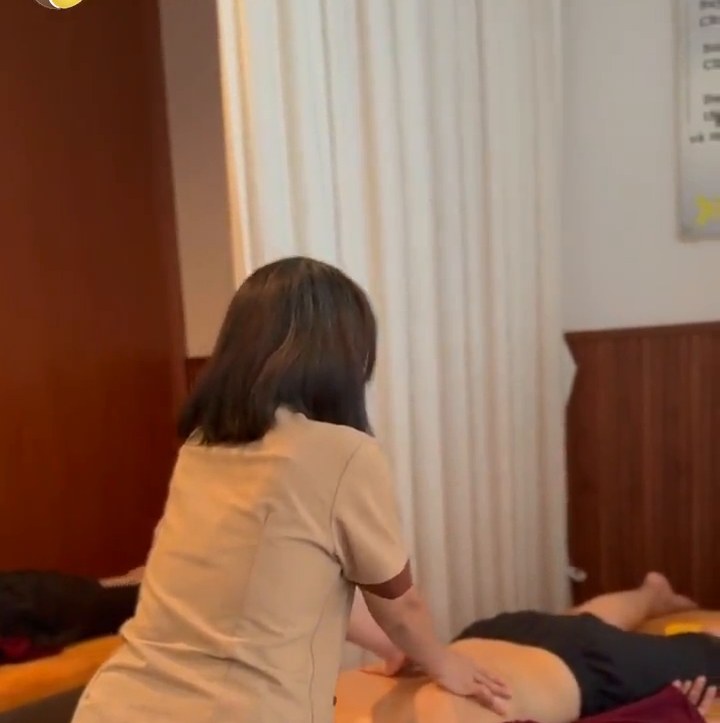
- Working on a customer's back, shoulders, neck and legs for one to two hours per session, keeping the pressure even from start to finish.
- Asking questions, listening to where the customer feels tired or tight, and briefly explaining what you are about to do.
- Watching the customer's reactions: is their breathing steady, are they tensing up, do they flinch when you press?
- Tidying the room, keeping towels, beds and hands clean, and arranging the schedule with the receptionist.
A wellness spa differs from a beauty spa in that the focus is the body's well-being and relaxation: muscle release, acupressure, massage along the meridians, and herbal wellness hair washing. This is hands-on wellness care, not a medical service.
Five self-check questions before you decide
1. Can your body keep up?
This work puts a lot of load on the practitioner's wrists, thumbs, shoulders and back. If you already have chronic wrist or back pain, ask a doctor first, and when you train, learn to use your whole body rather than pushing everything into your fingers.
2. Do you enjoy contact with strangers?
Every customer is different. Some say little, some chat for the whole session, some are picky about pressure. People who suit this work stay respectful and calm with all of them.
3. What is your goal?
Working for an established spa, opening a small shop of your own, adding a service to the nail salon you already run, or simply learning to care for your family? Each goal needs a different path. Someone who wants to look after their parents may only need the introductory level; someone who wants to open a shop also has to learn the workflow and how to train staff.
4. How much time can you give to hands-on practice?
You can read the theory, but the feel at your fingertips only comes from working on many different people. Without practice time, no amount of theory will make you ready to serve customers.
5. Can you accept the limits of this work?
A wellness practitioner does not replace a doctor. When a customer has long-lasting pain, increasing numbness or weakness, pain with fever, or an underlying condition, the practitioner must know to stop and advise them to see a doctor at a medical facility. Anyone who cannot accept this limit is likely to over-promise to customers.
The upsides and the hard parts of the work
Upsides: it is hands-on work that depends little on machines; the skill goes wherever you go and also benefits your own family; office workers and older people genuinely need relaxation and relief from fatigue; and you can move from employee to shop owner if you keep learning the management side.
Hard parts: it is physically tiring; working hours often fall in the evenings and at weekends when customers are free; whether customers come back depends entirely on your skill and attitude; and massage is a conditional business line, so anyone who wants to open a shop has to look into the local licensing procedures.
Tong Gia does not promise jobs or income after the course. If any school promises you a sure job or a sure high income, ask them very carefully what that means.
If you have decided to learn, how to choose a school
- Share of practice: how much of the time you actually work on real people, and whether someone corrects your hands on the spot.
- Who teaches: whether the instructor practises every day and runs a place that serves real customers.
- Safety is taught: which areas should not be pressed hard, and when to advise a customer to see a doctor.
- A path to higher levels: where you can go after finishing the basics.
- Paperwork: ask the receptionist directly, before paying tuition, what document you receive after the course and what legal value it has.
If you are torn between different directions within the same field, the article learning Eastern wellness spa massage as a career goes deeper into each part of the content; the question "what can I do after the course" has its own article, what you can do after training in wellness care.
How Tong Gia teaches wellness massage
Tong Gia was founded by Lương Y Tống Văn Huynh, who has more than 13 years in Eastern wellness practice, Y Tướng Học (face reading for wellness) and spinal nerve-reflex balancing. Lương Y builds the programme and teaches the classes himself. The teaching rests on two pillars:
- Y Tướng Học: read the outer signs to understand the inner state before laying hands on someone. "The inner state is the cause, the outer appearance is the effect": complexion and body shape suggest to the practitioner which areas deserve attention.
- Wellness massage with spinal nerve-reflex balancing: every impression taken from the face must be cross-checked by hand along the spine.
The training ladder has 4 levels. L1 Introduction to Y Tướng Học (1.500.000đ) covers reading complexion, Five Elements body types, the 3 facial zones, daily wellness habits and a few safe self-care acupoints, practised in pairs. L2 Core Skills covers muscle release, acupressure for the neck, shoulders, back and legs, the standard Tong Gia 90-minute session and communicating with customers. L3 Specialist moves on to spinal nerve-reflex balancing and advanced Y Tướng Học. L4 Master and Transfer is for business owners who need SOPs and a method for training staff. Tuition for L2 to L4, the number of sessions and their length are given by a consultant when you register. See the full ladder on the training home page.
About 70% of class time is practice on real people, classes are small, and Lương Y coaches each learner individually. The workflow you learn is the one used every day at Tong Gia's two service branches in District 12 and District 9.
Honest advice: before answering the question of whether you should learn wellness spa massage, try working with your hands for one session. Some people try it and love it; others find it is not for them. Both are good outcomes, because you have not paid any tuition yet.
How to register
If you are still unsure whether you should learn wellness spa massage, Tong Gia runs a free trial class from 9:00 to 12:00 every Sunday morning, 10 places per session, at căn T16-21 khu Manhattan, Vinhomes Grand Park, Phường Long Bình, TP. Thủ Đức (Thủ Đức City, Ho Chi Minh City). At the trial class Lương Y looks at your hand skill and suggests the level that fits your goal.
The L1 Introduction to Y Tướng Học class runs on a set schedule. Register via hotline 0917 945 259.
Frequently asked questions
Should I learn wellness spa massage if I am over 40? Age is not the main barrier; the health of your wrists and back and your willingness to practise matter far more. Many older learners actually communicate with customers better.
Is wellness spa work hard? Yes, it is physically demanding because you stand for many hours and use your hands constantly. Learning to use your whole body instead of pushing everything into your fingers helps practitioners last longer.
Am I sure to find work after a wellness spa course? No school should promise that. Tong Gia does not promise jobs or income after the course; your skill and attitude towards customers are what decide it.
Is wellness spa work a medical profession? No. It is hands-on wellness care and relaxation. When a customer has long-lasting pain or an underlying condition, the practitioner advises them to see a doctor at a medical facility.
What should I do if I am not sure the work suits me? Come to one trial class and try it with your own hands. Tong Gia holds a free trial class every Sunday morning; message Zalo 0917 945 259 to reserve a place.
Related articles
- What is acupressure? Principles, limits and a structured way to learn it
- Acupressure vs acupuncture: how they differ and what to learn if you are not a healthcare professional
- Acupressure vs massage: how they differ and where new learners should start
- Body acupoint map: how to read it and what order to learn it in without getting lost
- All articles on vocational training
Reserve a free Sunday-morning trial class or ask about the learning path: message Zalo 0917 945 259.

Founder of Tong Gia Acupoint Wellness (Huyệt Đạo Tống Gia), with more than 13 years in Eastern wellness practice, Y Tướng Học (face reading for wellness) and spinal nerve-reflex balancing. Lương Y's story
417 customers have reviewed Tong Gia on Google Maps
Reviews are written by customers themselves on Google; tap to read them before you visit.
Huyệt Đạo Tống Gia Quận 12
225 Dương Thị Mười, Phường Tân Chánh Hiệp (District 12, Ho Chi Minh City). 8:00 – 19:00 daily.
See reviews on Google MapsHuyệt Đạo Tống Gia Quận 9
Căn T16-21 khu Manhattan, Vinhomes Grand Park, Phường Long Bình (Thủ Đức City, Ho Chi Minh City). 9:00 – 20:00 daily.
See reviews on Google MapsWant to be observed in person?
A 90-minute session starts with observation, and only then moves on to muscle release and acupressure on the right areas. Two branches: District 12 and Vinhomes Grand Park.