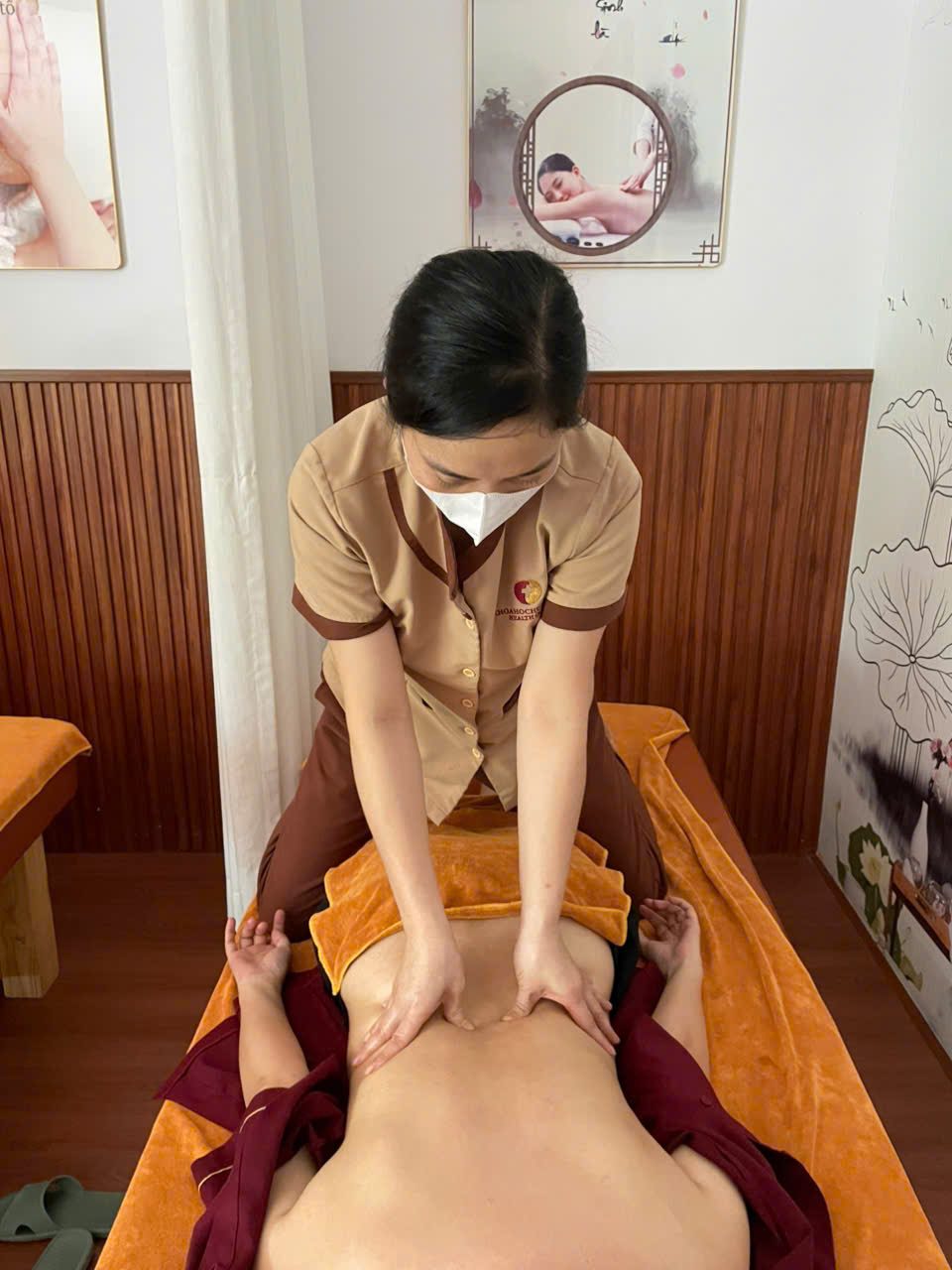
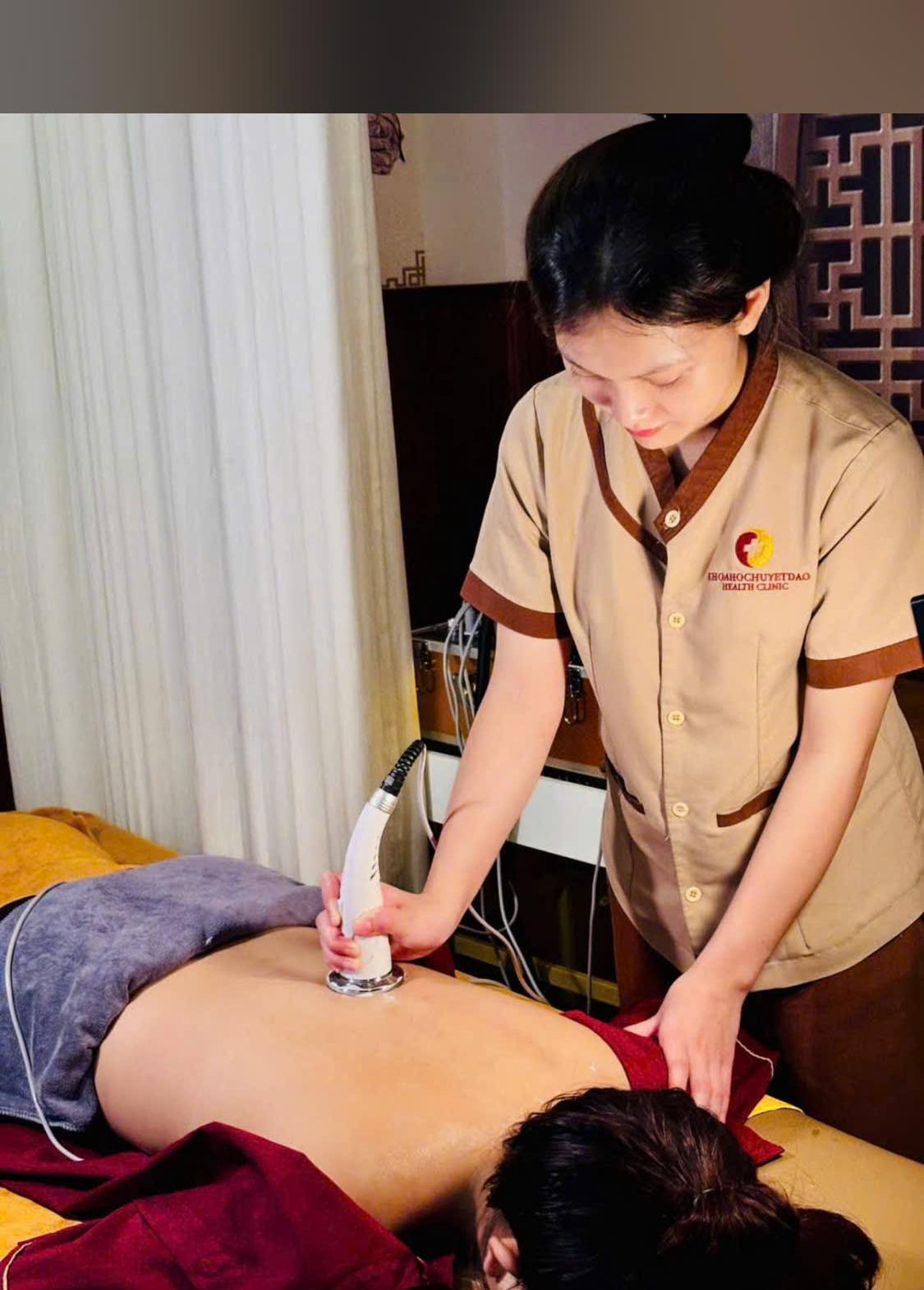
Dangerous pressure points (the so-called death points): the areas where acupressure learners must use a light touch
Lương Y (traditional healer) Tống Văn Huynh · Tong Gia Acupoint Wellness (Huyệt Đạo Tống Gia) · 10/11/2026
Dangerous pressure points, or "death points", is a phrase from martial arts for spots where a hard strike can be dangerous. For people learning wellness acupressure at Tong Gia, what matters is that areas where blood vessels, nerves or organs lie close to the surface must be worked lightly, in the right direction, or not at all.
What are dangerous pressure points, really?
Online, many people type “dangerous pressure points” or “death points on the body” and find frightening articles: press here and you faint, press there and your life is at risk. In fact, the idea of death points was born in old martial arts and describes places where a hard, sudden blow can cause injury. That is about striking force, not about the hands of someone doing wellness acupressure.
Still, the question is very useful for people learning the trade. It reminds us that the body has “thin” areas: large blood vessels near the skin, nerves running close to the surface, thin bone, or internal organs without a thick layer of muscle to protect them. In those areas, anyone doing wellness care has to reduce pressure, change technique, or skip the area.
Areas where acupressure learners must use a light touch
1. Both temples
The bone at the temples is thinner than the rest of the skull, with blood vessels underneath. Here, use only gentle circular rubbing with the pad of the finger, never a knuckle or an elbow pressing deep.
2. The front and sides of the neck
The front of the neck holds the windpipe, and large blood vessels run up both sides to the head. Learners are told not to press deep, not to press both sides of the neck at once, and not to hold pressure there for long. Most neck work is done on the muscles at the back and on both shoulders.
3. Behind the ears and under the skull
The area under the occiput and behind the earlobes has many acupoints familiar in wellness practice, but it is also where blood vessels and nerves run close. In class, learners practise finding the exact hollow of the point before slowly increasing pressure, checking constantly how the client feels.
4. The notch above the breastbone and the pit of the stomach
The small notch above the breastbone and the area just below the tip of the breastbone have no thick muscle cover. Do not press hard here, and do not drive force straight down.
5. The upper abdomen and the flanks of the lower back
The abdomen holds soft organs, and the flanks on both sides of the lower back lie near the kidneys. Wellness abdominal massage always goes clockwise, with shallow pressure while the client breathes evenly. On the lower back, use only moderate pressure on the muscle bands either side of the spine, never pounding or hard chopping.
Why learners should understand death points correctly
Misunderstanding leads to two kinds of mistakes. The first is being so afraid that you do not dare put your hands on the head and neck, so the session misses an important part. The second is believing every acupoint must be pressed very hard to work, which causes pain and bruising and can even make a frail client feel faint.
At Tong Gia, the reminder to learners is: “The body is the house, the acupoints are the doors, qi and blood are the wind.” A door is opened with just enough force, not broken down. The right pressure is pressure the client feels as a mild ache, comfortable, while still breathing normally.
Three safety rules before pressing any acupoint
- Ask before you start: age, any underlying health conditions, pregnancy, whether they have just eaten a big meal or are hungry, whether they are taking blood thinners.
- Increase pressure gradually: start light, build up according to feedback, and stop immediately if the client holds their breath, grimaces or asks for lighter pressure.
- Know when not to work: stop if the skin is damaged, if there is hot red swelling, a recent injury, dizziness or shortness of breath. If pain persists, numbness or weakness keeps getting worse, or the client has an underlying condition, advise them to see a doctor at a medical facility.
To read more about hand pressure, see techniques for working acupoints and when you should not massage the back.
How learners practise this at Tong Gia
About 70% of class time is hands-on practice on real people. In sensitive areas, Lương Y Tống Văn Huynh coaches each person individually: placing the hands in the right spot with the right direction of force, and practising asking the client how it feels. Learners are also taught to read the face and posture with Y Tướng Học (face reading for wellness) before laying hands on, then to check by hand along the spine using the therapeutic-style massage method of spinal nerve-reflex balancing. Look first, read with the hands second, and you will know which client needs a lighter touch today.
How to sign up
The Sunday-morning trial class, 9:00–12:00, and the free Sunday Y Tướng Học session are open to newcomers, at căn T16-21 khu Manhattan (unit T16-21, Manhattan zone), Vinhomes Grand Park, TP. Thủ Đức (Thu Duc City, Ho Chi Minh City). Sign up for a trial class or call the training hotline 0917 945 259.
Questions learners often ask
What are the so-called four dangerous acupoints that massage learners must avoid?
"Four dangerous points" is a martial-arts phrase, not a fixed list. For massage learners the rule is: no strong pressure on the front of the neck, temples, armpit hollow or lower abdomen, where vessels and nerves lie close to the skin. Tong Gia teaches gentle hands there; Zalo/WhatsApp +84 917 945 259.
Frequently asked questions
What are dangerous pressure points? It is the popular name for death points, a concept from martial arts that refers to spots where a hard strike can be dangerous. Wellness acupressure uses gentle pressure, so it is completely different.
Can acupressure kill someone? Wellness acupressure with the right pressure on the right areas is a gentle form of care. The risk comes from pressing too hard on sensitive areas or working on someone for whom it is not suitable, which is why learners must know when to go lightly and when not to work at all.
Which areas of the body should not be pressed hard? The temples, the front and sides of the neck, behind the ears under the skull, the notch above the breastbone, the pit of the stomach, the upper abdomen and the flanks of the lower back near the kidneys.
Should acupressure beginners work on the neck on their own? They should first practise under direct supervision. The neck is only worked lightly, never pressing both sides at once and never holding pressure for long.
Where can I take a safe acupressure course in Ho Chi Minh City? Tong Gia Acupoint Wellness has a Sunday-morning trial class, 9:00–12:00, at Vinhomes Grand Park, TP. Thủ Đức. Call the training hotline 0917 945 259.
Related articles
- What is acupressure? Principles, limits and a structured path to learning acupressure
- Acupressure vs acupuncture: how they differ, and what people outside the healthcare field should learn
- Acupressure vs massage: how they differ, and where learners should start
- Acupoint map of the human body: how to read it and in what order to learn it
- All articles about learning the trade
Reserve a free Sunday-morning trial class or ask about the learning path: message Zalo 0917 945 259.

Founder of Tong Gia Acupoint Wellness (Huyệt Đạo Tống Gia), with more than 13 years in Eastern wellness practice, Y Tướng Học (face reading for wellness) and spinal nerve-reflex balancing. Lương Y's story
417 customers have reviewed Tong Gia on Google Maps
Reviews are written by customers themselves on Google; tap to read them before you visit.
Huyệt Đạo Tống Gia Quận 12
225 Dương Thị Mười, Phường Tân Chánh Hiệp (District 12, Ho Chi Minh City). 8:00 – 19:00 daily.
See reviews on Google MapsHuyệt Đạo Tống Gia Quận 9
Căn T16-21 khu Manhattan, Vinhomes Grand Park, Phường Long Bình (Thủ Đức City, Ho Chi Minh City). 9:00 – 20:00 daily.
See reviews on Google MapsWant to be observed in person?
A 90-minute session starts with observation, and only then moves on to muscle release and acupressure on the right areas. Two branches: District 12 and Vinhomes Grand Park.