How the xoa, xat and miet techniques differ: telling them apart by pressure, path and speed of the hand
Lương Y (traditional healer) Tống Văn Huynh · Tong Gia Acupoint Wellness (Huyệt Đạo Tống Gia) · 29/11/2026
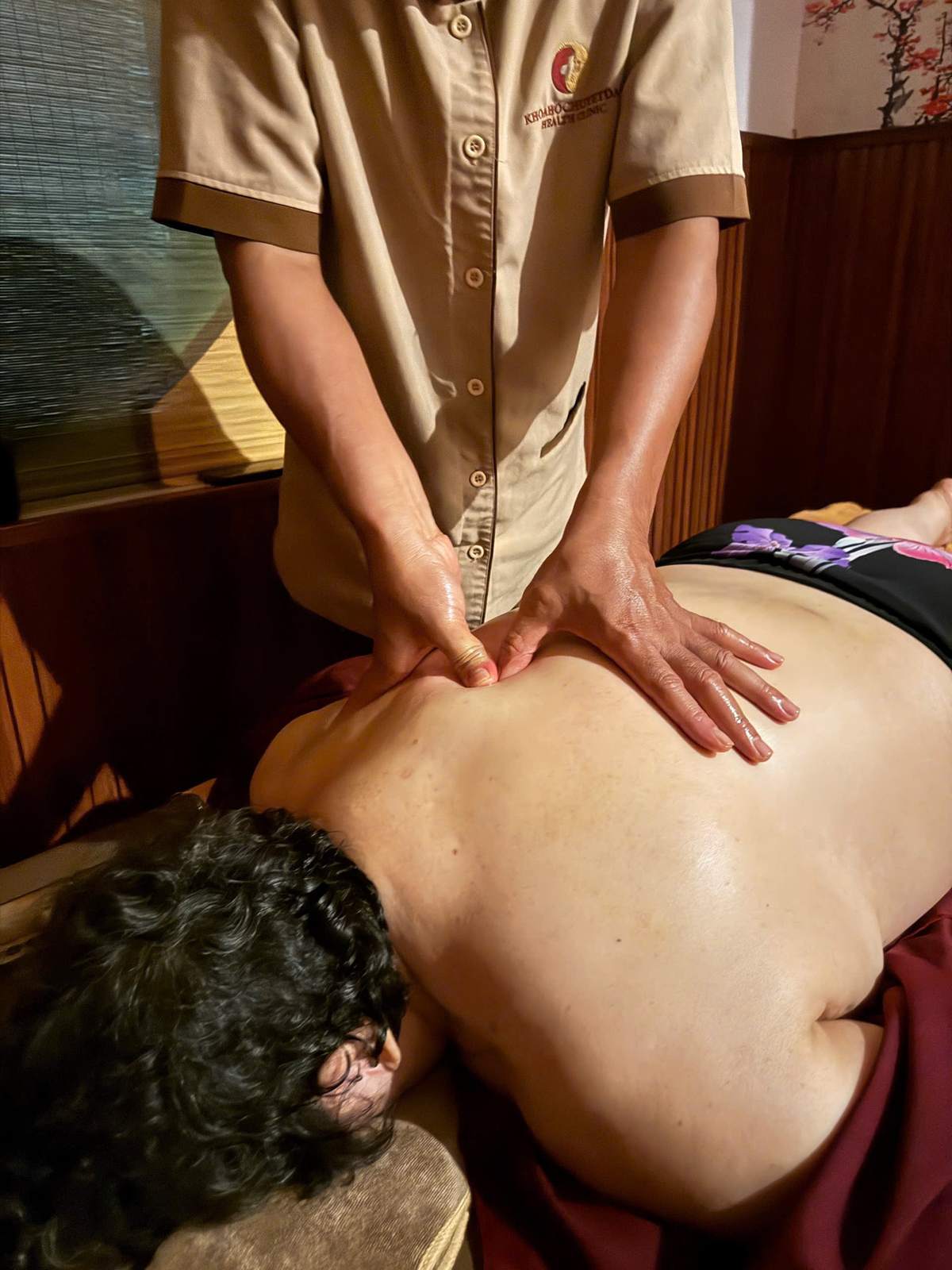
How the xoa, xat and miet techniques differ: xoa (circular rubbing) moves in circles with light pressure, the hand sliding over the skin; xat (friction) runs straight back and forth, fast, to warm the area; miet (pressing glide) presses the thumb pad down and draws the skin slowly in one direction, with the deepest pressure. At Tong Gia Acupoint Wellness (Huyệt Đạo Tống Gia), learners practise all three in pairs so they can feel the difference in pressure, direction and speed.
Questions learners often ask about xoa, xat and miet
I have just started learning massage and xoa looks the same as xat. What is a quick way to tell them apart?
Look at the path and the speed. Xoa moves in circles, slowly, with light pressure, and opens and closes work on an area. Xat runs in a straight line back and forth, faster, and clearly warms the skin. Both stay at the surface with the hand sliding over the skin. At Tong Gia Acupoint Wellness, learners practise on a partner and then swap roles to feel it.
Which finger is used for miet, how much pressure, and where should it not be done?
Miet usually uses the thumb pad pressed down and moved slowly in one direction, the skin stretching with the finger. Build pressure gradually and ask the person after each stroke. Do not use it on broken, inflamed or bruised skin, twisted bulging veins or hot swelling. Lasting pain means advising a check at a medical facility; this is wellness care.
Which level in Thu Duc teaches basic massage techniques, and what are the fees?
Beginners start at L1 Introduction to Y Tuong Hoc, 1,500,000 VND. Hand techniques on other people are trained from L2 Basic Trade, with about 70% of time practising in pairs; fees from L2 upward are given by the advisor at registration. Classes at unit T16-21, Manhattan block, Vinhomes Grand Park; training hotline 0917 945 259.
Three techniques on the skin surface: four points of difference
The question of how the xoa, xat and miet techniques differ comes up in almost every practice session, because from a distance all three look like a hand moving over skin. The difference lies in four points: which part of the hand makes contact, the path, the depth of pressure and the speed. Once learners grasp these four, they know when to use which technique instead of only memorising names.
The descriptions below follow the names commonly used in traditional Vietnamese massage. Each school may name things slightly differently; in class, follow the hands of the person teaching.
Xoa: circles, light pressure, the hand slides over the skin
Xoa (circular rubbing) uses the palm, the heel of the hand or the finger pads moving in circles. The pressure is only enough for the hand to mould to the body; the skin underneath stays almost still while the hand slides over it. The rhythm is slow and even. Xoa usually opens and closes work on an area, letting the person get used to the hand and warming the skin. It is used a lot on the abdomen, the back and tense places that cannot yet take deeper pressure.
Xat: straight back and forth, fast, warming
Xat (friction) uses the heel of the hand, the thumb mound or the little-finger mound running back and forth in a straight line: up and down or across. The pressure is still superficial but the speed is faster than xoa, so the skin warms noticeably. Xat suits the back, the lower back, both sides of the spine, the limbs and the soles of the feet. Because friction is high, learners usually use oil or work through a towel, and stop when the skin turns red and sore.
Miet: press down, draw the skin one way, slow and deep
Miet (pressing glide) uses the thumb pad, sometimes the thumb mound or the edge of the hand, pressed down and then moved slowly in one direction. Unlike xoa and xat, the finger does not slide quickly over the surface but draws the skin and the tissue beneath along with it, so the pressure goes deeper. Miet is used on the forehead, the head, the grooves beside the spine, the border of the shoulder blade and the spaces between the bones of the hands and feet, meaning narrow places that need one clear line.
Comparison table: xoa, xat, miet
| Criterion | Xoa | Xat | Miet |
|---|---|---|---|
| Contact part of the hand | Palm, heel of the hand, finger pads | Heel of the hand, thumb mound, little-finger mound | Thumb pad, edge of the hand |
| Path | Circular | Straight, back and forth | Straight, one direction |
| Pressure | Light, skin level | Light to moderate, skin level | Moderate to deep, reaching tissue under the skin |
| Speed | Slow, even | Fast | Very slow |
| Skin under the hand | Hand slides over the skin | Hand slides over the skin, creating warmth | Skin stretches and travels with the finger |
| Common areas | Abdomen, back, tense places | Back, lower back, limbs, soles | Forehead, head, grooves beside the spine, spaces between bones |
| Place in the session | Opening and closing | Warming after xoa | After the area is warm and soft |
To see where these three sit within the whole system, read 30 basic massage techniques learners need to know.
Common beginner mistakes
- Pressing heavily during xoa: the skin is dragged along, and it becomes kneading rather than xoa.
- Doing xat too fast on dry skin: the person feels sore and the skin reddens before the muscle has warmed.
- Doing miet with the fingertip or nail instead of the pad: the pressure becomes a sharp point and easily causes stinging pain.
- Doing miet as fast as xat: the hand slips and the pressure never reaches the deeper layer.
- Using wrist and finger strength instead of body weight: quick fatigue and uneven pressure.
- Not asking the person on the table: the same pressure feels pleasant to one and painful to another.
Combining the three techniques on one area
The three techniques do not replace each other; they follow each other with increasing depth. A sequence beginners remember easily:
- Xoa for a few circles so the person gets used to your hand and the skin starts to warm.
- Xat back and forth so the muscle area warms evenly.
- Miet slowly along the line you need, raising pressure gradually and asking how it feels.
- Light xoa again to finish before moving to another area.
In the massage approach of balancing the spinal nerve reflex system combined with Y Tuong Hoc (Vietnamese medical face reading) that Lương Y Tống Văn Huynh teaches at Tong Gia, xoa, xat and miet are the softening step before pressing and kneading acupoints. For how heavy or light to go, see the 5 pressure levels in massage.
When not to use xoa, xat or miet
- Skin that is grazed, burned, inflamed, with a rash or an open wound.
- Hot, red swelling, a fresh bruise or a recent injury.
- Twisted bulging veins in the legs: no xat or miet directly over them.
- A person with a fever or who is exhausted.
With lasting pain or growing numbness or weakness, advise the person to get checked at a medical facility. This is a wellness care trade, not a medical profession.
Which level teaches these three techniques
Beginners start with L1 Introduction to Y Tuong Hoc (1,500,000 VND). Hand techniques on other people are trained from L2 Basic Trade, then L3 Specialist and L4; fees and length of those levels are given by the advisor at registration. About 70% of class time is practice in pairs, so each person both works and lies down to feel xoa, xat and miet on their own body. Whether you study to work in the trade, to care for family or to help others, you pass through this foundation step. Tong Gia does not promise jobs or income after the course.
How to register
The class schedule for beginners includes the Sunday morning trial class 9:00–12:00 (10 places) and the Sunday Y Tuong Hoc session with no fee, at unit T16-21, Manhattan block, Vinhomes Grand Park, Thu Duc City, Ho Chi Minh City. Lương Y Tống Văn Huynh, with over 13 years in the trade, checks each person's hands at the trial. Book a trial class or call the training hotline 0917 945 259.
Frequently asked questions
How do the xoa, xat and miet techniques differ? Xoa moves in circles with light pressure, slowly. Xat runs straight back and forth, fast, warming the skin. Miet presses the thumb pad down and draws the skin slowly in one direction, deeper than the other two.
Which technique comes first? Usually xoa first so the person gets used to the hand, then xat for warmth, then miet, and finally light xoa again to close the area.
Does miet need oil? Miet needs the skin to stretch with the finger, so use very little oil or none. Xat should have oil or be done through a towel so the skin does not get sore.
Why does my xoa feel heavy to the person? Usually because you press down too much and the skin is dragged with the hand. Relax the shoulders, let the hand mould to the body and slide over the skin with just enough pressure to make contact.
When should xoa, xat and miet not be used? On grazed, inflamed or burned skin, hot red swelling, fresh bruises, twisted bulging veins, or when the person has a fever. Lasting pain needs a check at a medical facility.
Related articles
- 30 basic massage techniques learners should know: learn them in groups, not as a list of names
- 8 principles of spinal wellness massage: the rules of the hands for Tong Gia learners
- How to use the right pressure in acupressure: measuring force by how the receiver feels
- Hands for wellness massage: soft hands, hard hands and 6 things you must train
- All articles about learning the trade
Reserve a free Sunday-morning trial class or ask about the learning path: message Zalo 0917 945 259.

Founder of Tong Gia Acupoint Wellness (Huyệt Đạo Tống Gia), with more than 13 years in Eastern wellness practice, Y Tướng Học (face reading for wellness) and spinal nerve-reflex balancing. Lương Y's story
417 customers have reviewed Tong Gia on Google Maps
Reviews are written by customers themselves on Google; tap to read them before you visit.
Huyệt Đạo Tống Gia Quận 12
225 Dương Thị Mười, Phường Tân Chánh Hiệp (District 12, Ho Chi Minh City). 8:00 – 19:00 daily.
See reviews on Google MapsHuyệt Đạo Tống Gia Quận 9
Căn T16-21 khu Manhattan, Vinhomes Grand Park, Phường Long Bình (Thủ Đức City, Ho Chi Minh City). 9:00 – 20:00 daily.
See reviews on Google MapsWant to be observed in person?
A 90-minute session starts with observation, and only then moves on to muscle release and acupressure on the right areas. Two branches: District 12 and Vinhomes Grand Park.