Face reading for health: soft-as-cotton flesh (nhục nhuyễn như miên) and how to recognise it by touch
Lương Y (traditional healer) Tống Văn Huynh · Tong Gia Acupoint Wellness (Huyệt Đạo Tống Gia) · 08/11/2026
In face reading for health, soft-as-cotton flesh (nhục nhuyễn như miên) is a type of flesh sign in Y Tướng Học (face reading for wellness): the shoulders and calves feel soft, warm and supple, and spring back at once when pressed and released. Eastern wellness theory sees it as a sign of sufficient Spleen qi. At Tong Gia Acupoint Wellness (Huyệt Đạo Tống Gia), learners practise telling it apart from flabby flesh that stays dented for a long time.
Are you touching soft flesh or flabby flesh?
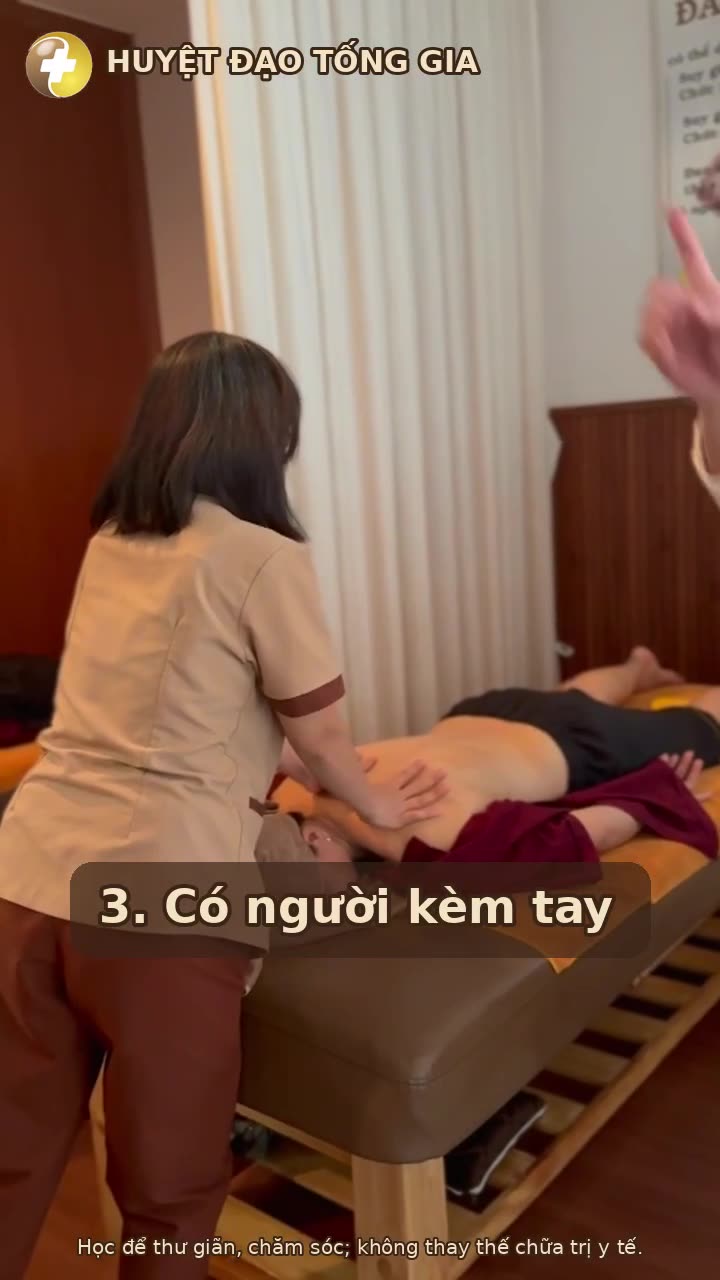
Two customers both have “soft” upper arms. Press one and it feels warm, the muscle is supple, and the flesh returns the moment you let go. Press the other and it feels cool, and the dent takes a while to fill back in. Beginners tend to lump both together as “soft muscles, easy to work on”. Y Tướng Học separates them, and that is the lesson of nhục nhuyễn như miên.
What is soft-as-cotton flesh (nhục nhuyễn như miên)?
“Nhục” means flesh, “nhuyễn” means soft, “miên” means cotton. It is one of the flesh signs taught in the advanced Y Tướng Học module, recognised by looking with the eyes and feeling with the hands, not just by looking at photos.
- Soft: the muscle does not tense up hard when touched.
- Warm: the skin is evenly warm, not cooler than the surrounding area.
- Supple, highly elastic: press and release, and the flesh springs straight back.
- Firm and smooth: soft, but not sagging.
The most important distinction: soft-as-cotton means relaxed yet firm muscle, completely different from flabby, sagging flesh caused by too little movement.
How does Eastern wellness theory view this flesh sign?
In Eastern wellness theory, the Spleen governs the muscles and flesh (脾主肌肉): muscle and flesh are nourished by the qi and blood produced by the Spleen and Stomach. Soft, warm, elastic flesh suggests ample Spleen qi, open blood vessels, and sinews well nourished by Liver blood, so they do not cramp. This is the saying “the organs are the cause, the signs are the effect”: the outer appearance of the flesh partly reflects the inner state.
When this sign shifts to soft and flabby, cool, and staying dented after pressing, the curriculum suggests practitioners pay extra attention to a Spleen-Stomach deficiency-cold pattern (脾胃虚寒) or water-dampness retention: the customer often dislikes cold, has cold hands and feet, a slightly puffy face on waking, and heavy limbs. This is only an observation cue for choosing how to care for the customer, not a conclusion about the customer's health.
Try it now: a 3-point check in 1 minute
- Place your palm on the shoulder, upper arm and calf of your practice partner. Note which areas feel warm and which feel cool.
- Press lightly with your thumb for about 2 seconds on each area, then release. Notice whether the flesh returns at once or slowly.
- Gently squeeze the muscle between your thumb and the other fingers: does it feel supple and firm, or mushy?
If all three answers are “warm, returns at once, supple and firm”, that is close to nhục nhuyễn như miên. Write it down to compare as you touch more people: your hands only become sensitive through repeated comparison.
Take note: how do practitioners use this?
- With soft-as-cotton flesh: the muscle usually responds quickly and relaxes with just enough pressure. There is no need to use strength.
- With flabby, cool flesh: warm the area first, use light pressure and a slow rhythm; advise the customer to keep warm and move gently.
- Every reading from flesh signs must be cross-checked by hand on the spine before choosing where to work. This skill is called hand sensing (cảm thủ).
At Tong Gia, Y Tướng Học is a way of observing for wellness care; it does not pronounce on illness and does not tell fortunes. If a customer has long-lasting swelling, swelling on one side, heavy fatigue, unexplained weight loss or an underlying condition, practitioners advise them to see a doctor at a medical facility.
Where can you learn this?
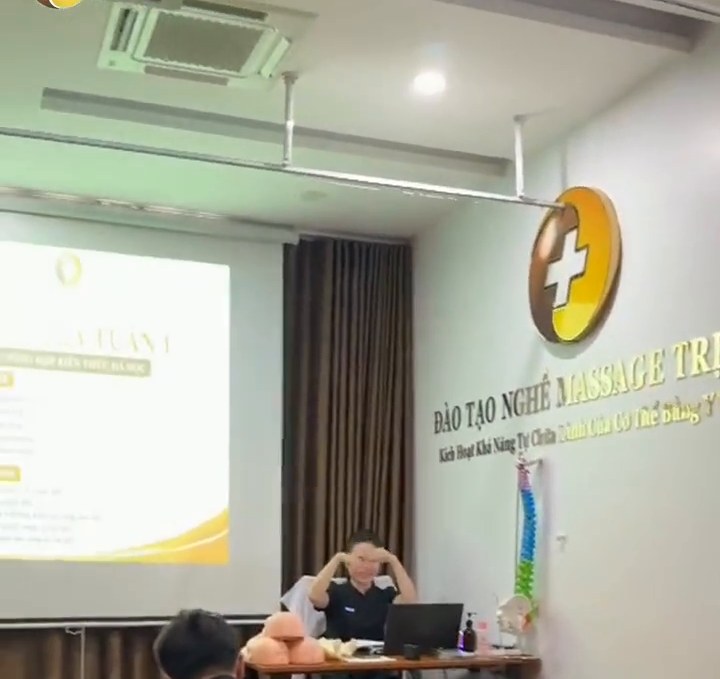
Flesh signs, bone signs and matching outer signs with the spine are covered in part 3 of the Specialist Course: advanced Y Tướng Học. Lương Y Tống Văn Huynh has learners touch many different flesh types right in class so their hands gradually get used to them. Beginners can start with the Sunday Y Tướng Học session.
How to sign up
The weekly Sunday trial class, 9:00–12:00, and the free Sunday Y Tướng Học session are the open schedule for newcomers, at căn T16-21 khu Manhattan, Vinhomes Grand Park, TP. Thủ Đức (Thủ Đức City, Ho Chi Minh City). Sign up for a trial class or call the training hotline 0917 945 259.
Frequently asked questions
What does soft-as-cotton flesh (nhục nhuyễn như miên) mean? It means flesh as soft as cotton: the muscle is soft, warm, supple and springs back at once when pressed and released. It is a type of flesh sign in Y Tướng Học.
How is soft-as-cotton flesh different from flabby flesh? Soft-as-cotton flesh is warm, firm and springs back at once when pressed. Flabby flesh is usually cool, sagging, and stays dented for a while before filling back in.
In Eastern wellness theory, which organ is linked to the flesh? Eastern wellness theory holds that the Spleen governs the muscles and flesh, so flesh signs are usually read together with the state of the Spleen, Stomach, qi and blood.
Can soft-as-cotton flesh reveal illness or personality? No. At Tong Gia, flesh signs are only observation hints for choosing how to care for someone; they are not used to pronounce on illness or judge anyone’s character. If there are unusual signs, see a doctor at a healthcare facility.
Where can I learn Y Tướng Học flesh signs in Ho Chi Minh City? Tong Gia at Vinhomes Grand Park, TP. Thủ Đức runs a free Sunday Y Tướng Học session and a Sunday-morning trial class. Call 0917 945 259.
Related articles
- 30 basic massage techniques learners should know: learn them in groups, not as a list of names
- 8 principles of spinal wellness massage: the rules of the hands for Tong Gia learners
- How much pressure in acupressure: gauging force by how the receiver feels
- Hands for wellness massage: soft hands, hard hands and 6 things you must train
- All articles about learning the trade
Reserve a free Sunday-morning trial class or ask about the learning path: message Zalo 0917 945 259.

Founder of Tong Gia Acupoint Wellness (Huyệt Đạo Tống Gia), with more than 13 years in Eastern wellness practice, Y Tướng Học (face reading for wellness) and spinal nerve-reflex balancing. Lương Y's story
417 customers have reviewed Tong Gia on Google Maps
Reviews are written by customers themselves on Google; tap to read them before you visit.
Huyệt Đạo Tống Gia Quận 12
225 Dương Thị Mười, Phường Tân Chánh Hiệp (District 12, Ho Chi Minh City). 8:00 – 19:00 daily.
See reviews on Google MapsHuyệt Đạo Tống Gia Quận 9
Căn T16-21 khu Manhattan, Vinhomes Grand Park, Phường Long Bình (Thủ Đức City, Ho Chi Minh City). 9:00 – 20:00 daily.
See reviews on Google MapsWant to be observed in person?
A 90-minute session starts with observation, and only then moves on to muscle release and acupressure on the right areas. Two branches: District 12 and Vinhomes Grand Park.