Should an unemployed new graduate learn massage as a trade: adding a hands-on skill without leaving your field
Lương Y (traditional healer) Tống Văn Huynh · Tong Gia Acupoint Wellness (Huyệt Đạo Tống Gia) · 22/11/2026
Should an unemployed new graduate learn massage: it is worth considering if you want a skill that produces work right away while you wait for a job in your field, and you do not mind working with your hands on real people. At Tong Gia Acupoint Wellness (Huyệt Đạo Tống Gia), beginners can take L1 first; classes run in separate sessions so you can still attend interviews, and whether to make it a long-term trade can be decided after trying it with your own hands.
Questions learners often ask about graduates learning massage
I am 23, graduated in economics in Ho Chi Minh City 6 months ago and still have no job. Should I learn massage in Thu Duc to have a hands-on trade?
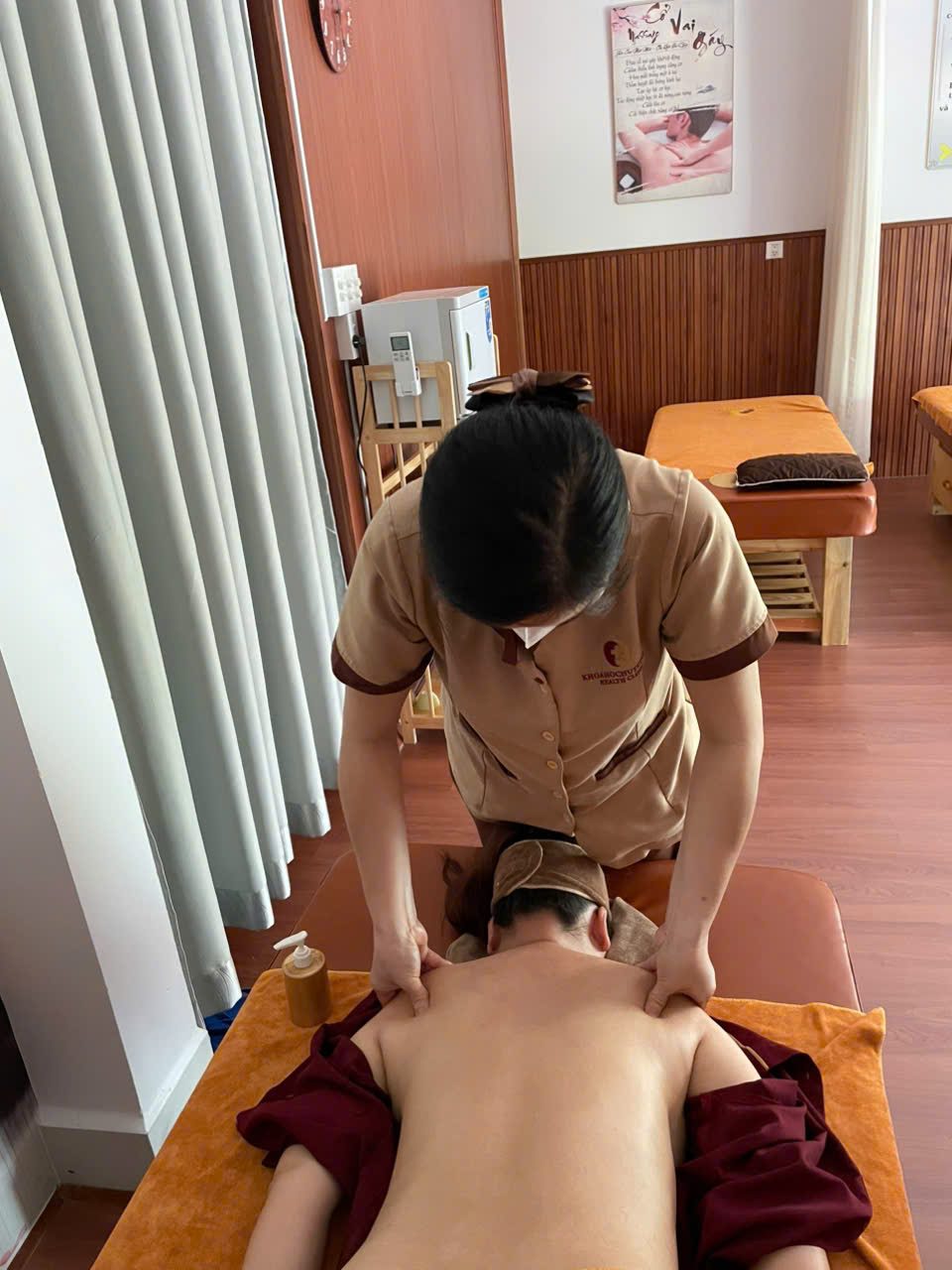
Worth trying if you want a skill you can use now and do not mind contact with real people. Attend a trial to see whether your hands suit it, then take L1 while still going to interviews. About 70% of class time is practice. Classes at unit T16-21, Vinhomes Grand Park, Thu Duc City; Zalo 0917 945 259.
Does learning massage waste my university degree, and can I work after the course?
It is not wasted: communication, note-taking and study skills from university are used in client care. Hand skill needs regular practice to become solid; L2 teaches the 90-minute session procedure. This is wellness care, not a medical profession. Tong Gia does not promise jobs or income after the course.
New graduates have little money. How do I choose a massage course in Ho Chi Minh City without wasting it?
Attend a trial first, ask for fees per level, check for practice on real people and who teaches. At Tong Gia Acupoint Wellness, L1 is 1,500,000 VND; later levels are quoted at registration. The trial is Sunday morning 9:00–12:00, where Lương Y Tống Văn Huynh checks your hands and suggests a level.
When a new graduate should add a hands-on trade
Months after graduation without a job in your field is common for young people. The question should an unemployed new graduate learn massage really contains two smaller ones: should you add a hands-on trade at all, and if so, does this trade suit you. Adding a hands-on trade makes sense when:
- You want a skill that produces work while you wait for a job in your field, rather than only sending CVs.
- You like working with real people, seeing results right away, and do not mind standing and using pressure.
- You are willing to approach it as a real trade and study seriously, not as a stopgap.
If you only need work for a few weeks before moving on, learning massage will not be worth the money and effort, because hand skill takes time to train.
Does a hands-on trade waste a university degree
Many young people and parents worry about this. In fact, what you learned at university is not lost: note-taking, researching and presenting to others are all used in wellness care. Learners of Tong Gia's massage method study spinal anatomy, observation through Y Tuong Hoc and explaining things to clients in plain words. Someone used to reading and asking questions learns the theory faster.
Parents worried about what others will think can read parents worried about what people say when their child learns massage.
How to study while still job hunting
| Stage | Suggestion |
|---|---|
| First week | Attend a Sunday morning trial to see whether your hands suit the work |
| First month | Take L1 Introduction to Y Tuong Hoc while keeping weekday interviews |
| After L1 | Ask yourself: continue to L2 Basic Trade, or keep the skill to care for family |
| In parallel | Add the new skill to your CV; many service sectors value people who know how to care for clients |
What to know honestly before paying fees
- Tong Gia does not promise jobs or income after the course.
- Ask reception directly about the documents issued after the course and their legal value before paying. Wellness massage differs from physical rehabilitation, a health-sector profession requiring formal training and a practising licence. See do you need a qualification to learn massage.
- This is wellness care, not a medical profession. Learners must know when not to work and advise clients to get a medical check: lasting pain, growing numbness or weakness, underlying illness.
- The trade needs physical health: if you have wrist or spine problems, ask a medical facility before starting.
What each level teaches
L1 Introduction to Y Tuong Hoc (1,500,000 VND): facial colour, Five Element body types, the 3 facial zones, daily self-care, a few safe self-care points, practice in pairs. L2 Basic Trade: muscle release, acupressure for neck, shoulders, back and legs, the 90-minute session procedure, client communication. L3 Expert: balancing the spinal nerve reflex system, advanced Y Tuong Hoc. L4 Master and Transfer: operations, procedures, how to train staff. Fees and length of L2–L4 are given at registration.
Those still studying can read students working part-time in massage.
How to register
The Sunday morning trial class 9:00–12:00 (10 places) and the Sunday Y Tuong Hoc session with no fee are open sessions for beginners, at unit T16-21, Manhattan block, Vinhomes Grand Park, Thu Duc City, Ho Chi Minh City. Lương Y Tống Văn Huynh, with over 13 years in the trade, teaches and coaches each learner. Book a trial class or call the training hotline 0917 945 259.
Frequently asked questions
Should an unemployed new graduate learn massage? Worth considering if you want a skill that produces work while waiting for a job in your field and you do not mind hands-on work with real people. Try a trial first.
Does learning massage waste a university degree? No. Note-taking, research and presentation skills from university are still used, especially in anatomy theory and client communication.
Can I learn massage while job hunting? Yes. Attend the Sunday morning trial, then take L1 in sessions while keeping weekday interviews.
Will I receive a qualification after the course? Ask reception directly about the documents issued after the course and their legal value before paying fees.
How much is the first course? L1 Introduction to Y Tuong Hoc is 1,500,000 VND. Later levels are quoted at registration.
Related articles
- What is acupressure? Principles, limits and a structured path to an acupressure course in Vietnam
- Acupressure and acupuncture: what is the difference for learners
- Acupressure vs massage: how they differ, and where to start if you want to learn the trade
- Acupoint map of the human body: how to read the meridian map and what order to learn it in
- All articles about learning the trade
Reserve a free Sunday-morning trial class or ask about the learning path: message Zalo 0917 945 259.

Founder of Tong Gia Acupoint Wellness (Huyệt Đạo Tống Gia), with more than 13 years in Eastern wellness practice, Y Tướng Học (face reading for wellness) and spinal nerve-reflex balancing. Lương Y's story
417 customers have reviewed Tong Gia on Google Maps
Reviews are written by customers themselves on Google; tap to read them before you visit.
Huyệt Đạo Tống Gia Quận 12
225 Dương Thị Mười, Phường Tân Chánh Hiệp (District 12, Ho Chi Minh City). 8:00 – 19:00 daily.
See reviews on Google MapsHuyệt Đạo Tống Gia Quận 9
Căn T16-21 khu Manhattan, Vinhomes Grand Park, Phường Long Bình (Thủ Đức City, Ho Chi Minh City). 9:00 – 20:00 daily.
See reviews on Google MapsWant to be observed in person?
A 90-minute session starts with observation, and only then moves on to muscle release and acupressure on the right areas. Two branches: District 12 and Vinhomes Grand Park.