Leaving a banking job, which trade should you learn: what skills carry over and whether hands-on work suits you
Lương Y (traditional healer) Tống Văn Huynh · Tong Gia Acupoint Wellness (Huyệt Đạo Tống Gia) · 22/11/2026
Which trade a former bank employee should learn depends on whether you want to keep working with numbers or move to working with people through your hands. For people used to advising clients, keeping their word and handling targets, a wellness care trade such as Vietnamese massage at Tong Gia Acupoint Wellness (Huyệt Đạo Tống Gia) is worth considering: communication skills carry over, while hand skills are learned from scratch, starting with a trial class.
Questions learners often ask about leaving banking for a new trade
I am 32, worked as a bank teller in Thu Duc for 8 years and just quit. I know nothing about massage. Can I learn it?
Yes, if you practise regularly. Bank staff are usually strong at communication, careful and punctual, which is the hardest part to teach. Hand skills start again at L1, with about 70% of class time practising in pairs. Classes are at unit T16-21, Vinhomes Grand Park, Thu Duc City; Zalo 0917 945 259.
After leaving a bank, how long until I can work in massage, and do I need to know Eastern medicine first?
No prior knowledge is needed; L1 covers reading facial colour, the 3 facial zones and a few safe self-care points. Length of L2–L4 is given by the advisor when you register, as hands develop at different speeds. This is wellness care, not a medical profession. Tong Gia does not promise jobs or income after the course.
How do I choose a wellness training course in Ho Chi Minh City without wasting money right after losing my salary?
Attend a trial first and check whether there is practice on real people, who teaches, and whether fees per level are clear. At Tong Gia Acupoint Wellness, L1 is 1,500,000 VND; later levels are quoted at registration. The trial is Sunday morning 9:00–12:00 at Vinhomes Grand Park, where Lương Y Tống Văn Huynh checks your hands and suggests a level.
Before choosing a new trade: what you bring from banking
The question of which trade to learn after leaving a bank usually comes after years of targets, screens and paperwork. Before choosing, separate two things: the skills you already have and the skills you must learn again. What you already have is usually:
- Communicating, listening and explaining difficult things in plain words.
- Keeping appointments, careful note-taking, following procedures.
- Handling pressure and staying calm with demanding clients.
- Understanding money: costing things and seeing risk before investing.
What you must learn again is the specific hand skill of the new trade. The more of your existing skills a trade uses, the shorter the transition.
Three directions former bank staff often consider
| Direction | Carries over | Must learn |
|---|---|---|
| Nearby office work (accounting, insurance, sales) | Almost everything | Little, but still screens and targets |
| Small business | Calculation, money management | Product, customers, operations; capital risk |
| Hands-on wellness care | Communication, procedures, client retention | Hand skill, body knowledge, stamina |
No direction is right for everyone. If what tires you most is sitting long hours, staring at numbers and never seeing the result of your work, a hands-on trade is worth trying, because results show right after each session: the person relaxes, sleeps more easily, says thank you.
Why wellness care suits people who used to advise clients
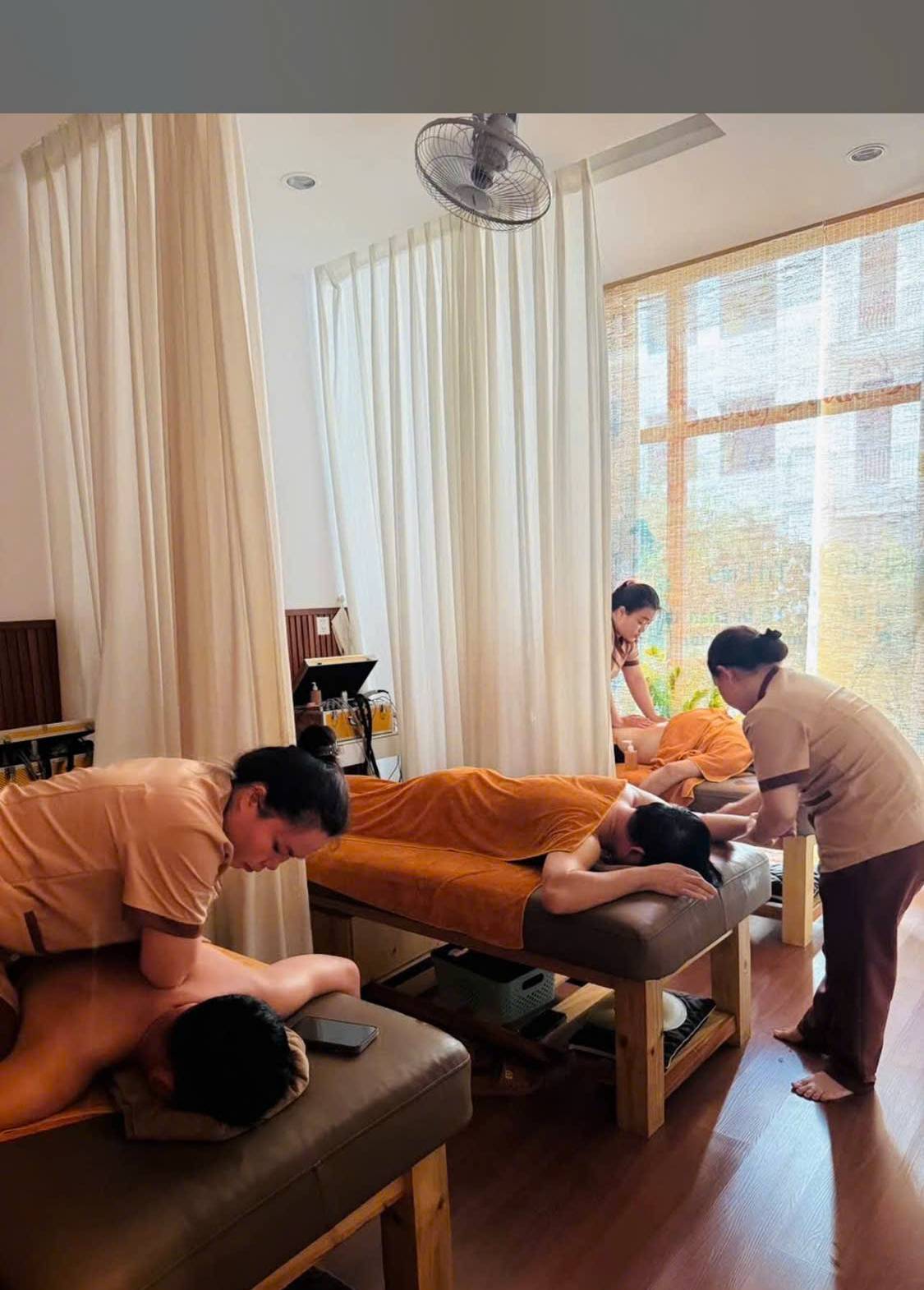
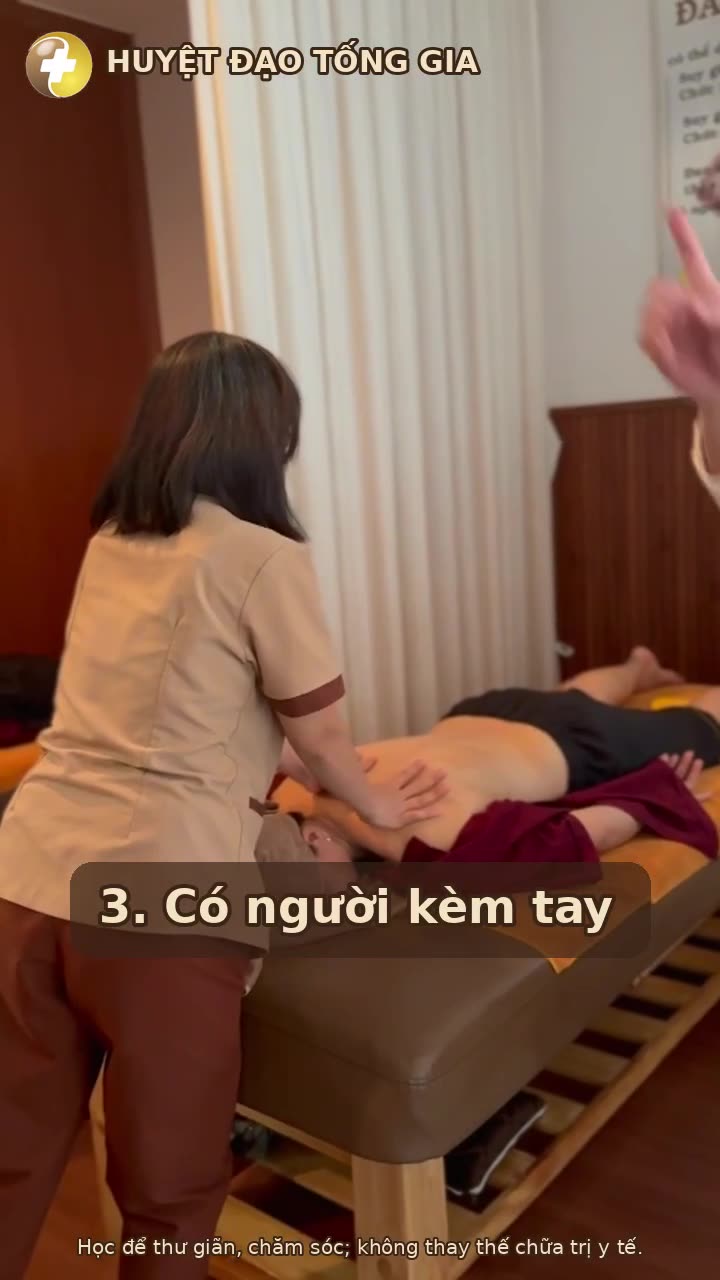
Massage in Tong Gia's method of balancing the spinal nerve reflex system is more than pressing with the hands. Each session starts with conversation, observing facial colour through Y Tuong Hoc (Vietnamese medical face reading), then checking by hand along the spine. Talking with and explaining to the client takes a lot of time, and people who worked at a bank counter often do this part well from day one.
In Tong Gia's curriculum, the saying "the organs are the cause, the signs are the result" reminds learners that what they see on the face must be checked by hand. The cross-checking habit of bank staff fits this principle well.
Honest points before changing careers
- Hand work needs stamina: standing, bending and using pressure for hours. People used to sitting need a few weeks for hands and back to adjust.
- Income is not fixed like a monthly salary. Tong Gia does not promise jobs or income after the course.
- This is wellness care, not a medical profession. Learners must know when not to work: lasting pain, growing numbness or weakness, or underlying illness mean advising the client to see a medical facility.
- Ask reception directly about the documents issued after the course and their legal value before paying fees.
A suggested path for someone who just left their job
- First week: attend a trial class, see a real class, see whether your hands suit the work.
- Take L1 Introduction to Y Tuong Hoc (1,500,000 VND) for the foundation: facial colour, 3 facial zones, a few safe self-care points.
- If it suits you, continue to L2 Basic Trade: muscle release, acupressure for neck, shoulders, back and legs, the 90-minute session procedure, client communication.
- Keep a living reserve during your study; do not put everything into fees.
Career changers around 30 can also read is 30 too late to change careers and switching careers to massage.
How to register
The Sunday morning trial class 9:00–12:00 (10 places) and the Sunday Y Tuong Hoc session with no fee are open sessions for beginners, at unit T16-21, Manhattan block, Vinhomes Grand Park, Thu Duc City, Ho Chi Minh City. Lương Y Tống Văn Huynh, with over 13 years in the trade, checks your hands at the trial and suggests a suitable level. Book a trial class or call the training hotline 0917 945 259.
Frequently asked questions
Which trade should a former bank employee learn? It depends on whether you want to keep working with numbers or move to working with people. Hands-on wellness care suits people who communicate well, are careful and can handle standing and using pressure.
Is massage hard to learn after years in banking? Communication and procedures are usually easy for bank staff. The hard parts are hand skill and stamina, which take a few weeks of regular practice.
Do I need to know Eastern medicine first? No. L1 Introduction to Y Tuong Hoc starts from the basics: facial colour, 3 facial zones and a few safe self-care points.
Will I be placed in a job after the course? Tong Gia does not promise jobs or income after the course. Plan a living reserve for your study period.
Where and when is the trial class? Sunday morning 9:00–12:00 at unit T16-21, Manhattan block, Vinhomes Grand Park, Thu Duc City. Call 0917 945 259 to hold a place.
Related articles
- 30 basic massage techniques learners should know: learn them in groups, not as a list of names
- 8 principles of spinal wellness massage: the rules of the hands for Tong Gia learners
- How to use the right pressure in acupressure: measuring force by how the receiver feels
- Hands for wellness massage: soft hands, hard hands and 6 things you must train
- All articles about learning the trade
Reserve a free Sunday-morning trial class or ask about the learning path: message Zalo 0917 945 259.

Founder of Tong Gia Acupoint Wellness (Huyệt Đạo Tống Gia), with more than 13 years in Eastern wellness practice, Y Tướng Học (face reading for wellness) and spinal nerve-reflex balancing. Lương Y's story
417 customers have reviewed Tong Gia on Google Maps
Reviews are written by customers themselves on Google; tap to read them before you visit.
Huyệt Đạo Tống Gia Quận 12
225 Dương Thị Mười, Phường Tân Chánh Hiệp (District 12, Ho Chi Minh City). 8:00 – 19:00 daily.
See reviews on Google MapsHuyệt Đạo Tống Gia Quận 9
Căn T16-21 khu Manhattan, Vinhomes Grand Park, Phường Long Bình (Thủ Đức City, Ho Chi Minh City). 9:00 – 20:00 daily.
See reviews on Google MapsWant to be observed in person?
A 90-minute session starts with observation, and only then moves on to muscle release and acupressure on the right areas. Two branches: District 12 and Vinhomes Grand Park.