Heavy head and dizziness: how a massage practitioner recognises it and keeps the client safe
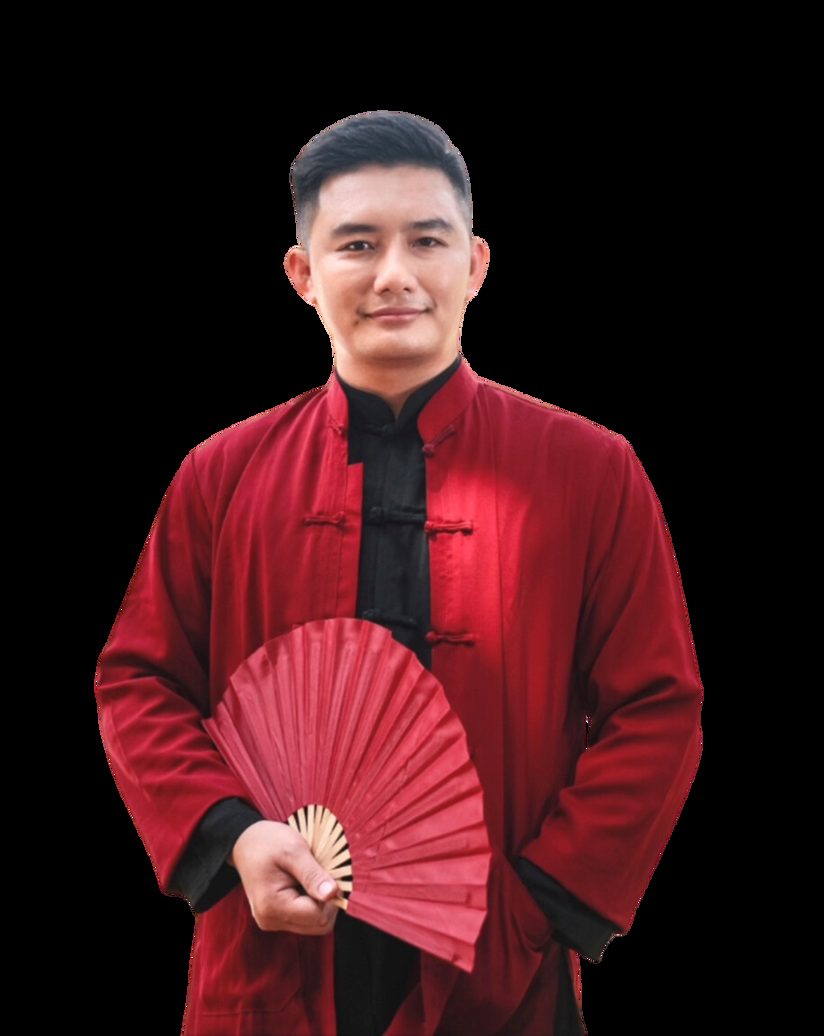
Lương Y (traditional healer) Tống Văn Huynh · Tong Gia Acupoint Wellness (Huyệt Đạo Tống Gia) · 12/11/2026
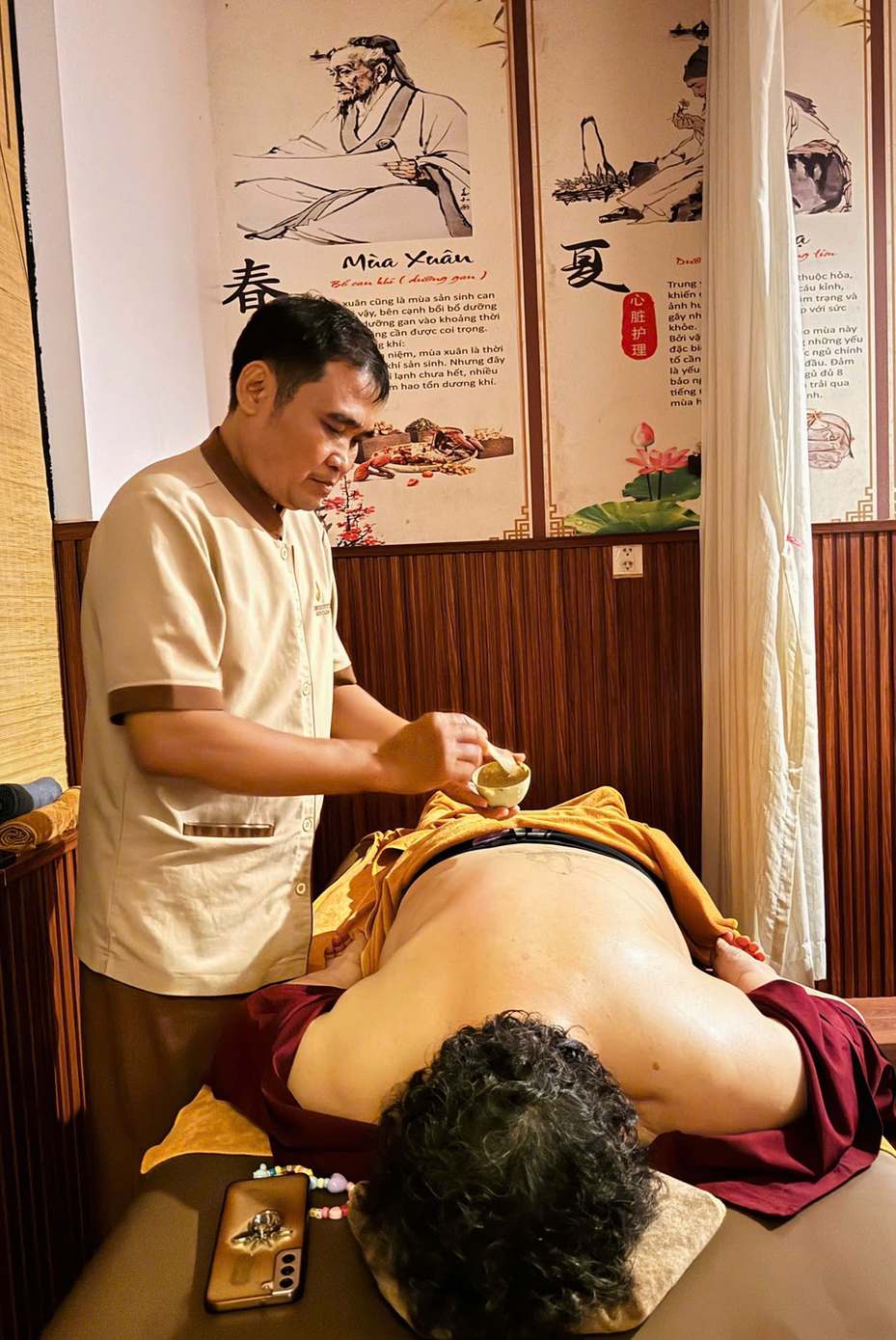
Heavy head and dizziness is something massage practitioners hear all the time. It may come from tight neck and shoulders, poor sleep, hunger or standing up too fast, but it can also be a sign that needs a medical check. At Tong Gia Acupoint Wellness (Huyệt Đạo Tống Gia), learners are taught to ask carefully before a session, change positions slowly, work the neck and shoulders gently and stop at once if anything seems unusual.
Questions learners often ask about heavy head and dizziness
I work as a spa practitioner in District 9, Ho Chi Minh City. A client says her head feels heavy and dizzy before massage. What should I ask first?
Ask when it started, whether the room spins or she just feels light-headed, any nausea, numb hands or trouble speaking, whether she has eaten, has blood pressure problems or takes medication. Any unusual sign: no massage, advise a medical check. Tong Gia teaches this question list from level L1.
My client got dizzy sitting up after lying face down. How do I handle it safely?
Let her lie on her side for a few breaths, then sit on the edge of the bed with feet on the floor for about a minute before standing, with you beside her. Offer warm water. If dizziness does not ease, or comes with chest pain or weak, numb limbs, call emergency services. Tong Gia learners practise this safety routine in class.
Where in Ho Chi Minh City can I learn neck and shoulder massage for people who get dizzy, and is there a trial class?
The safe neck-and-shoulder routine is taught in L2, reading the cervical spine by hand in L3; L1 Foundation costs 1.500.000₫. Trial class Sunday 9:00–12:00 at T16-21 Manhattan, Vinhomes Grand Park, Thu Duc City. WhatsApp +84 917 945 259.
How do clients describe a heavy head and dizziness?
"My head feels like it is carrying a stone", "I stand up and everything sways", "things look like they are turning a little". Practitioners hear these almost every day, especially from office workers, older people and night owls. For anyone learning wellness massage, the first thing to remember is this: dizziness has many causes. Some are mild, like a tired neck or lack of sleep; some need a medical check right away. The practitioner's job is to recognise, keep the client safe and give gentle care when it fits, never to guess an illness.
Why learners need to understand dizziness well
Common situations
- Long-term tight neck and shoulders: looking down at screens, sleeping on a high pillow; the neck muscles and the area below the skull get tight and many people feel a heavy, floaty head.
- Changing position quickly: lying face down for a long time and then sitting up suddenly; circulation has not adjusted yet, so a brief light-headed moment is common.
- Hunger, dehydration, lack of sleep: clients who come straight from work without eating, after a short night.
- Underlying conditions: blood pressure, heart problems, diabetes, inner-ear issues. The practitioner does not handle these alone.
The Eastern wellness view
Eastern wellness thinking calls this "xuan yun" (huyễn vựng) and often links it to Liver yang rising under stress, to qi and blood not nourishing the head when someone is worn out, or to dampness when the diet is heavy and greasy. Learners use this view to ask about the client's lifestyle: eating, sleeping, pressure at work. It is not used to decide what the client has.
Question list before the session
- Does it feel like spinning, or light-headed and heavy?
- When did it start; does it happen when changing position or also when sitting still?
- Any nausea, ringing ears, double vision, weak or numb arms and legs, trouble speaking, chest pain?
- Have you eaten today, what medication do you take, have you checked your blood pressure?
If any sign from question 3 is present, the practitioner does not massage and advises the client to see a doctor.
What to do during the session
Position and pace
- Prefer the client sitting supported or lying on the back with a low pillow; keep face-down time short.
- Warm the shoulders and upper trapezius first, then move to the neck and below the skull, light and slow.
- Do not turn the client's head, do not bend the neck forward and back quickly, do not crack the neck.
- Check how the client feels often; if the swaying gets worse, stop.
When the client sits up
This is when accidents are most likely. Have the client lie on the side for a few breaths, then sit on the edge of the bed with both feet on the floor and wait about a minute, with the practitioner standing beside, ready to support. Offer warm water and let the client rest a little longer before leaving.
Signs to stop and call for help
Sudden dizziness with weakness or numbness on one side of the body, a drooping mouth, trouble speaking, double vision, a severe headache, chest pain or tightness, shortness of breath, fainting, or dizziness after a knock to the head. If you see these, stop at once, let the client lie safely and call emergency services or take the client to a medical facility. People with underlying conditions should ask the healthcare staff who follow them before having neck massage. Tong Gia Acupoint Wellness (Huyệt Đạo Tống Gia) offers wellness care for health, not a medical service.
Which level covers this?
The safety question list is taught from L1 Foundation. The gentle neck-and-shoulder routine is in L2 Professional Basics. The Specialist Course (L3) teaches spinal nerve-reflex balancing and reading the neck vertebrae by hand. Read more: headache at the back of the neck and heart warning signs that need emergency help.
How to sign up
The trial class on Sunday morning, 9:00–12:00, and the Sunday Y Tướng Học (face reading for wellness) session with no fee are open sessions for beginners, at unit T16-21, Manhattan block, Vinhomes Grand Park, Thu Duc City. Tong Gia does not promise jobs or income after the course. Book a trial class or call the training hotline 0917 945 259.
Frequently asked questions
Should you massage someone with a heavy head and dizziness? Only after asking carefully and finding no unusual signs; work gently on the shoulders and neck and avoid long face-down positions.
What if the client gets dizzy when sitting up? Let them lie on the side, sit on the edge of the bed for about a minute, then stand, with the practitioner beside to support.
Which signs mean calling emergency services? Weakness or numbness on one side, a drooping mouth, trouble speaking, double vision, chest pain, shortness of breath, fainting.
Where can I learn this safety part? At Tong Gia, Vinhomes Grand Park. Trial class Sunday 9:00–12:00, hotline 0917 945 259.
Related articles
- What is acupressure? Principles, limits and a structured path to an acupressure course in Vietnam
- Acupressure and acupuncture: what is the difference for learners
- Acupressure and massage: how they differ and how they combine
- Acupoint map of the human body: how to read the meridian map and what order to learn it in
- All articles about learning the trade
Reserve a free Sunday-morning trial class or ask about the learning path: message Zalo 0917 945 259.

Founder of Tong Gia Acupoint Wellness (Huyệt Đạo Tống Gia), with more than 13 years in Eastern wellness practice, Y Tướng Học (face reading for wellness) and spinal nerve-reflex balancing. Lương Y's story
417 customers have reviewed Tong Gia on Google Maps
Reviews are written by customers themselves on Google; tap to read them before you visit.
Huyệt Đạo Tống Gia Quận 12
225 Dương Thị Mười, Phường Tân Chánh Hiệp (District 12, Ho Chi Minh City). 8:00 – 19:00 daily.
See reviews on Google MapsHuyệt Đạo Tống Gia Quận 9
Căn T16-21 khu Manhattan, Vinhomes Grand Park, Phường Long Bình (Thủ Đức City, Ho Chi Minh City). 9:00 – 20:00 daily.
See reviews on Google MapsWant to be observed in person?
A 90-minute session starts with observation, and only then moves on to muscle release and acupressure on the right areas. Two branches: District 12 and Vinhomes Grand Park.