Muscle release course for spa technicians: what to add, how to fit it into your services and what to ask before you sign up
Lương Y (traditional healer) Tống Văn Huynh · Tong Gia Acupoint Wellness (Huyệt Đạo Tống Gia) · 26/10/2026
Quick summary: A muscle release course for spa technicians in Ho Chi Minh City should add what experienced hands still lack: feeling out tight muscle areas, deep pressure from body weight, linked muscle chains and knowing when not to work. You don't need to relearn routines or client care. Before enrolling, ask how much practice is on real people, how many learners each instructor guides, what safety covers and what paperwork you get afterwards.
Questions learners often ask about a muscle release course for spa technicians
Is spa consultant training worth it, and should I also learn wellness massage in HCMC?
Consultants do well when they understand the services they recommend, so adding wellness massage is very useful. Knowing muscle anatomy helps explain aches clearly, and the Eastern idea that outer signs reflect inner organs helps you observe and ask the right questions before suggesting anything. Lasting pain needs a medical facility first; this is wellness care, not a medical service. Taught by traditional practitioner Tống Văn Huynh at Vinhomes Grand Park, TP. Thủ Đức; Zalo/WhatsApp +84 917 945 259.
What a muscle release course for spa technicians should teach
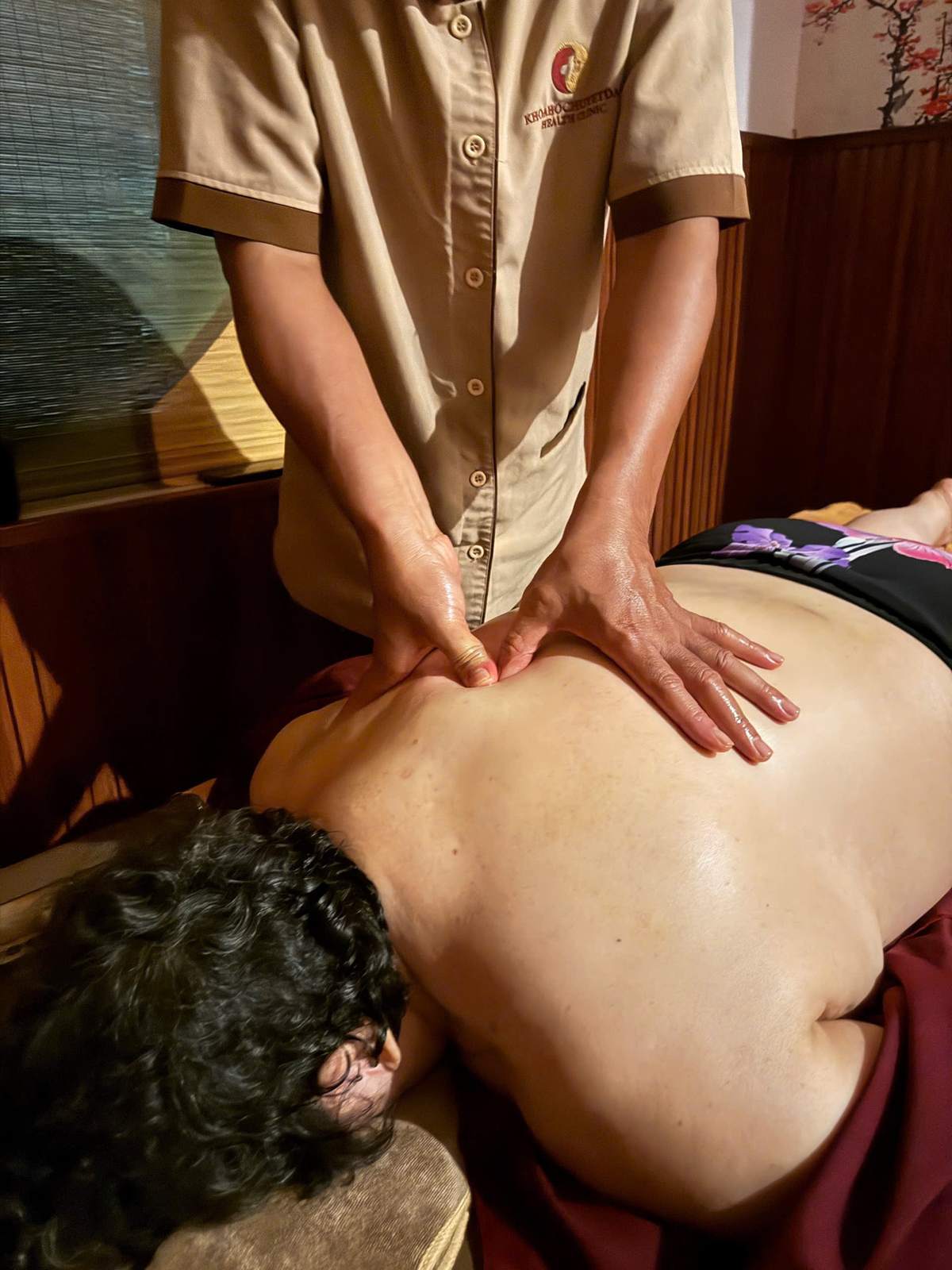
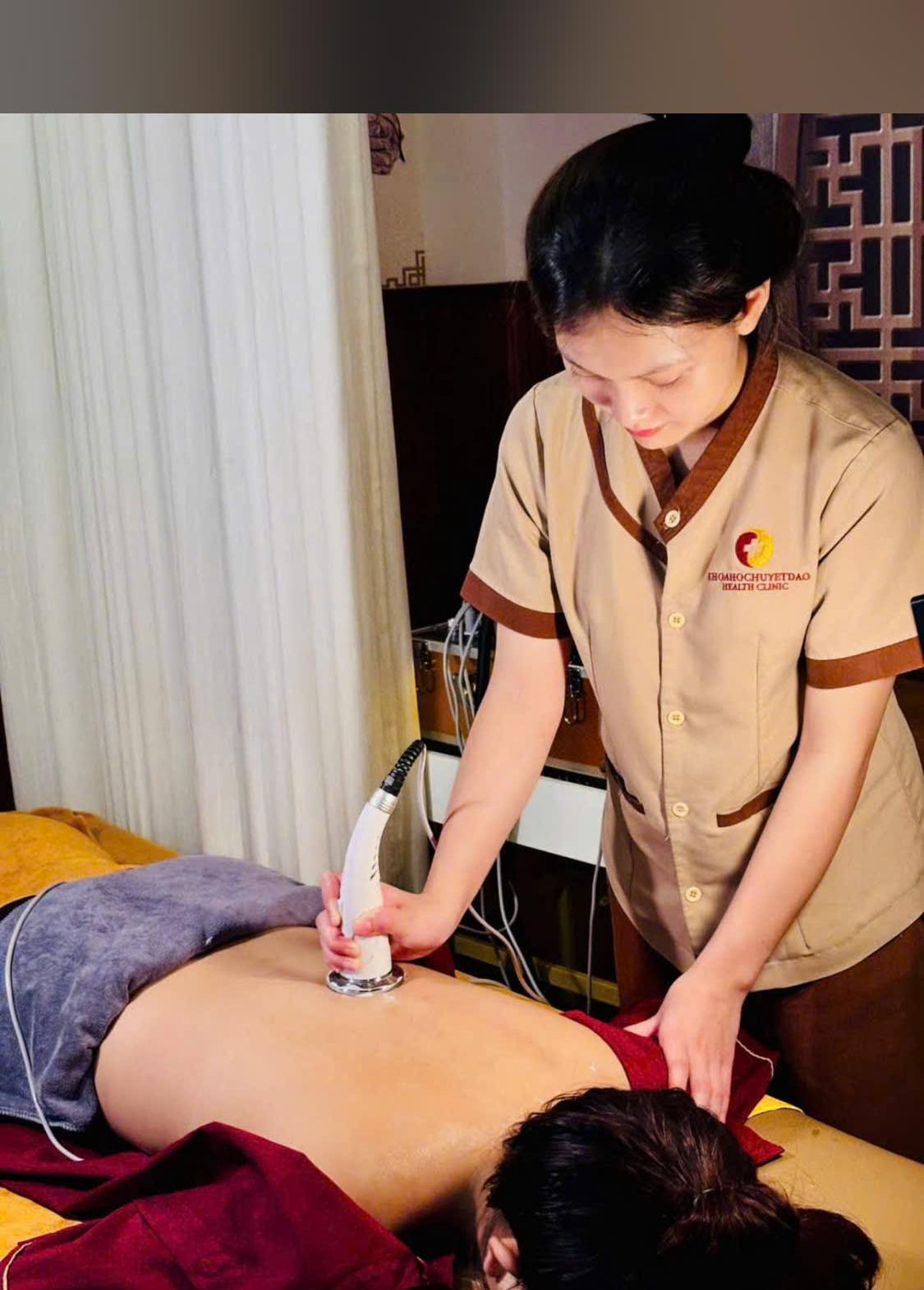
Spa technicians usually already have relaxation massage skills, know the routine and know their clients. But more and more clients lie down on the table and complain: a stiff neck and shoulders, a tired back, heavy legs. They want work on the exact spot that aches, not just general relaxation. That is when technicians look for a muscle release course for spa technicians.
A suitable course does not make experienced people start over. It should add exactly what is missing: reading tight muscle areas, using deep but controlled pressure, understanding which muscle pulls on which, and knowing when to stop and advise the client to see a doctor.
What spa technicians already have and what they still lack
Usually already in place:
- The routine of a session, from welcoming the client and draping towels to finishing up.
- An even hand rhythm, moderate pressure, stroking, rubbing and kneading techniques.
- Communication skills, hygiene and creating a relaxing atmosphere.
Usually still missing:
- Feeling out tight muscle areas and telling them apart from areas that are just evenly tired.
- Deep pressure driven by body weight, without hurting your own hands.
- Understanding linked chains: neck fatigue sometimes starts from rounded shoulders, lower back fatigue sometimes from the hips.
- Recognising signs that you should not work.
Seeing these two lists clearly helps you pick the right course: a course that reteaches too much of what you already know wastes time, and one that skips safety is risky.
What a muscle release course should include
- Main muscle groups by area: neck and shoulders, back, lower back, hips, legs; where each muscle lies and which way it runs.
- Palpation skills: finding tension points, comparing both sides, reading the client's response through their breathing and muscles.
- Deep pressure techniques: gliding along the fibres, press-and-hold, circular kneading on the spot, stretching combined with movement.
- Fitting it into a long session: how to bring muscle release into the middle of a session while the client still feels fully relaxed.
- Safety: the cases where you do not work and how to talk to clients so they go and see a doctor.
- Protecting the technician: standing posture, table height, switching hand parts so you can keep working for many years.
How to fit muscle release into spa services smoothly
A technician with skilled hands who works without tact can still make clients uncomfortable. A few practical rules:
- Ask first, write it down: where it aches, since when, any underlying health conditions, pregnancy or a recent fall.
- Tell them what it will feel like: the muscle release part can feel more intense at times; if it is too much, the client says so and you ease off.
- Open with relaxation: let the client loosen up before moving into the areas that need deeper work.
- Check back at the end: how the worked areas feel, so you can adjust next time.
- Use the right words: this is wellness care, relaxation by hand. Do not present the service as a medical service, and do not use medical terms on the price list.
The difference between the two ways of working is analysed in more detail in the article muscle release and relaxation massage: the differences, and the hand techniques are covered in learning muscle release by hand.
When a technician should not work
Muscle release at a spa is wellness care, not a medical service. If a client has long-lasting pain, numbness or weakness that keeps getting worse, pain after a fall, a swollen, hot, red area, or an underlying health condition, the technician should stop the muscle release part and advise the client to see a doctor at a medical facility. Knowing when not to work is also a skill, and it helps a spa keep its reputation for the long run.
The legal side, in general terms, for spa owners
Massage is a conditional line of business in Vietnam. Owners should look into the local procedures and check with the authorities before adding a new service to the price list. Physical therapy is a profession within the healthcare sector that requires formal training and a practising licence under the law, so spa technicians should not present themselves as physical therapy practitioners.
As for paperwork after a course, wherever you study, ask the front desk directly what kind of document you get and what legal value it has before paying the tuition.
Questions to ask before choosing a course
- What share of the time is practice on real people?
- How many learners does each instructor guide?
- Does the instructor still work in the trade every day at a real venue?
- Is there a safety section and guidance on advising clients to see a doctor?
- What exactly are the tuition, number of sessions, schedule and paperwork after the course?
The muscle release course for spa technicians at Tong Gia
At Tong Gia, muscle release is part of level L2 Core Trade Skills: muscle release and acupressure for the neck and shoulders, back and legs; the standard 90-minute Tong Gia session routine; client communication. The L3 Specialist Course goes into spinal nerve-reflex balancing and advanced Y Tướng Học (face reading for wellness). Level L4 Master and Transfer is for venue owners who want the routine, SOPs and staff-training method transferred to them. Experienced technicians can come to a trial class so the Lương Y can see their hands at work and suggest the right level, instead of guessing. The consultant will tell you the tuition for L2 to L4, the number of sessions and their length when you register.
What makes the teaching here different is its two pillars. The first pillar is Y Tướng Học: reading the complexion and the Five Elements body type to understand a client's condition before laying hands on them, because “the organs are the cause, the signs are the effect”. The second pillar is therapeutic-style massage for spinal nerve-reflex balancing: every impression taken from the face is cross-checked by hand on the spine. For spa technicians, these two pillars give every session a clear reason, and conversations with clients a firmer footing.
The routine taught is the one used every day at Tong Gia's two service branches: District 12 at 225 Dương Thị Mười, Phường Tân Chánh Hiệp (4.9★, 234 Google Maps reviews) and District 9 at Vinhomes Grand Park (5.0★, 183 reviews). About 70% of class time is practice on real people, classes are small, and Lương Y Tống Văn Huynh, with more than 13 years in Eastern wellness practice, guides each person individually. Tong Gia does not promise jobs or income after the course.
If you own a nail salon or spa abroad, there is a dedicated page for nail salon and spa owners. General information on learning the trade in Ho Chi Minh City is on the wellness massage course page.
How to register
Experienced technicians should first come to the free trial class: 9:00 to 12:00 every Sunday morning, 10 places per session, at căn T16-21 khu Manhattan, Vinhomes Grand Park, Phường Long Bình, TP. Thủ Đức (Thủ Đức City, Ho Chi Minh City). The Lương Y looks at your hand skills during the trial class and then suggests the right level.
The L1 Introduction to Y Tướng Học class runs on a set schedule. Register via hotline 0917 945 259.
Frequently asked questions
Do spa technicians who already know massage need to learn muscle release? It is worth it if clients often complain of tired neck and shoulders, back or legs. Muscle release adds the skill of reading tight muscle areas and deep, controlled pressure, built on the relaxation massage you already know.
After a muscle release course, can I work in physical therapy? No. Physical therapy is a profession within the healthcare sector that requires formal training and a practising licence. Muscle release at a spa is wellness care by hand.
Does the muscle release course come with any paperwork? Ask the front desk directly what kind of document you get after the course and what legal value it has, before paying the tuition.
Do experienced technicians have to start from the first level at Tong Gia? You can come to the Sunday-morning trial class; the Lương Y will see your hand skills and suggest the right level. The consultant will tell you the tuition and number of sessions for L2 to L4 when you register.
Which level should a spa owner take to train staff? Level L4 Master and Transfer is for venue owners: transfer of the routine, SOPs and the staff-training method. Message Zalo 0917 945 259 for advice.
Related articles
- 30 basic massage techniques learners should know: learn them in groups, not as a list of names
- 8 principles of spinal wellness massage: the rules of the hands for Tong Gia learners
- How much pressure in acupressure: gauging force by how the receiver feels
- Hands for wellness massage: soft hands, hard hands and 6 things you must train
- All articles about learning the trade
Reserve a free Sunday-morning trial class or ask about the learning path: message Zalo 0917 945 259.

Founder of Tong Gia Acupoint Wellness (Huyệt Đạo Tống Gia), with more than 13 years in Eastern wellness practice, Y Tướng Học (face reading for wellness) and spinal nerve-reflex balancing. Lương Y's story
417 customers have reviewed Tong Gia on Google Maps
Reviews are written by customers themselves on Google; tap to read them before you visit.
Huyệt Đạo Tống Gia Quận 12
225 Dương Thị Mười, Phường Tân Chánh Hiệp (District 12, Ho Chi Minh City). 8:00 – 19:00 daily.
See reviews on Google MapsHuyệt Đạo Tống Gia Quận 9
Căn T16-21 khu Manhattan, Vinhomes Grand Park, Phường Long Bình (Thủ Đức City, Ho Chi Minh City). 9:00 – 20:00 daily.
See reviews on Google MapsWant to be observed in person?
A 90-minute session starts with observation, and only then moves on to muscle release and acupressure on the right areas. Two branches: District 12 and Vinhomes Grand Park.