Is face reading hard to learn? The easy parts, the hard parts and learning it for wellness
Lương Y (traditional healer) Tống Văn Huynh · Tong Gia Acupoint Wellness (Huyệt Đạo Tống Gia) · 10/11/2026
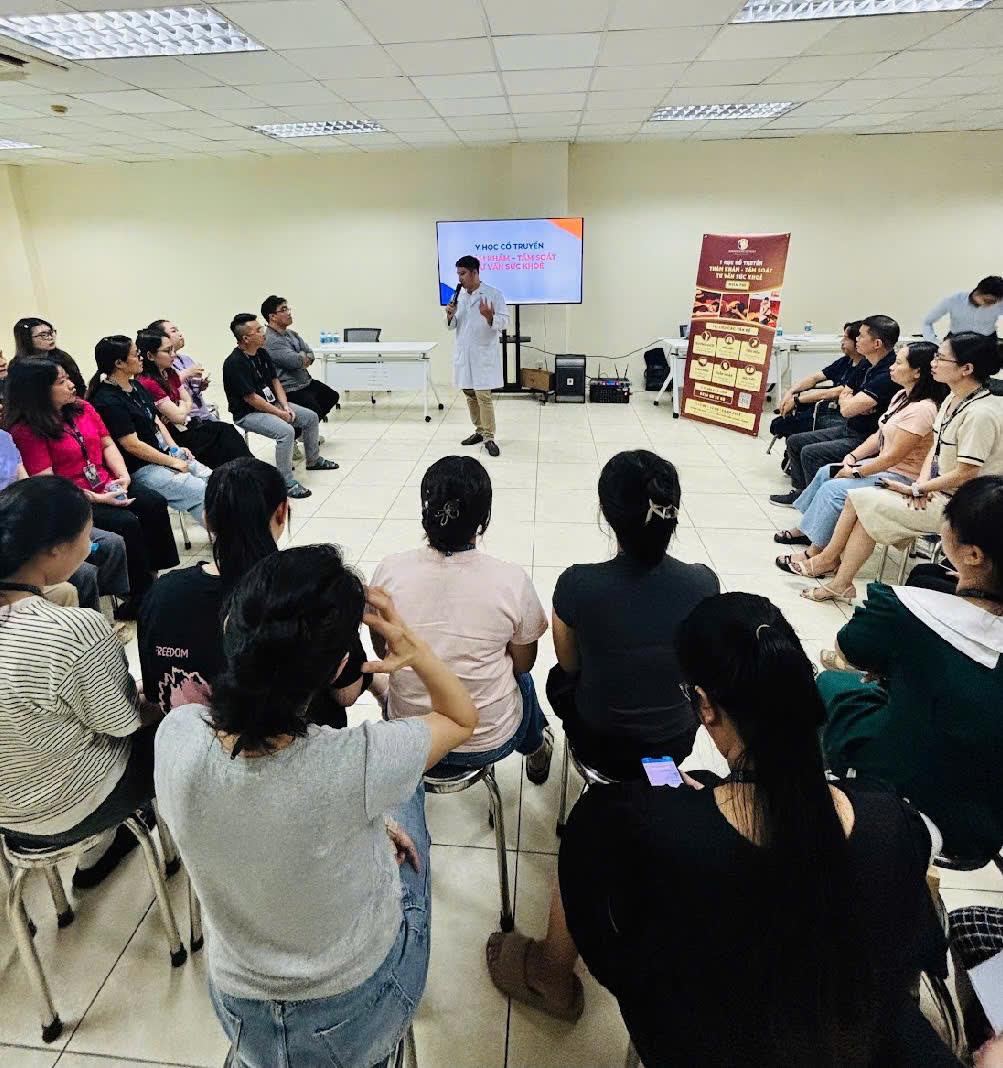
Is face reading hard to learn? Memorising the names of facial zones and face shapes takes only a few lessons; the hard part is reading correctly on real people without jumping to conclusions, so you need someone to guide you and many rounds of comparison. At Tong Gia, Y Tướng Học is taught from a wellness angle: you look in order to know how to care for the person, not to tell fortunes.
Questions learners often ask about whether face reading is hard to learn
Is an online face reading course enough, or do I need in-person classes to read real faces?
Online study is enough to grasp the principle that outer signs reflect inner organs, but reading real complexion and posture, then checking by hand on muscles and the spine, needs in-person classes. This is wellness care, not medical care; lasting pain needs a medical check. Free trial class on Sunday mornings at căn T16-21 khu Manhattan, Vinhomes Grand Park, TP. Thủ Đức; Zalo/WhatsApp +84 917 945 259.
Is face reading hard to learn for a complete beginner?
Not at first: beginners learn the face zones and face shapes within a few lessons. The hard part is reading real faces correctly and not jumping to conclusions, which takes guided practice. Students combine skin tone, facial muscles and posture with the Eastern idea that outer signs mirror inner organs. Tong Gia's Level 1 costs 1,500,000 VND; Zalo/WhatsApp +84 917 945 259.
Face reading (physiognomy) and Y Tướng Học: which one to learn?
Face reading, or physiognomy, is the general name for reading a person's form: the face, the walk, the voice. Many physiognomy books lean towards personality and fortune. Y Tướng Học takes a narrower path: reading the signs to understand the state of the organs according to traditional Eastern medicine, and from that knowing how to look after the person. Tong Gia sums this up as "the organs are the cause, the signs are the effect".
Knowing which path you want answers half of the "hard or easy" question. Learning to read fortunes has no end point. Learning to care for health has a clear path, and a way to check yourself by hand.
Which parts are easy?
- Names and locations: the 3 zones of the face, the five facial features, the face shapes. This is memory work; a few sessions and it feels familiar.
- Body types by the Five Elements: Wood, Fire, Earth, Metal and Water builds. There are reference types, so they are easy to picture.
- The habit of observing: looking at your complexion in the morning and comparing it with the day before. Anyone can practise this.
See the basics in the article the 3 zones of the face in Y Tướng Học.
Which parts are genuinely hard?
1. Real people do not look like the pictures in books
In a book, a square "Điền" face is a square face. In real life, most faces are a mix. Beginners try to fit people into one box, and end up reading them wrong.
2. Complexion changes with light and time of day
One night of poor sleep, standing under yellow light, just back from the sun, and the complexion already looks different. You have to learn to look under stable conditions and look many times.
3. Holding back from verdicts
This is the hardest part. New learners often say straight away "your liver is weak" or "you have a kidney problem". At Tong Gia, Y Tướng Học regards what you see only as an observation hint: no naming illnesses, no predicting fate, no judging other people.
Why cross-check by hand?
The Tong Gia principle: every reading from the face must be cross-checked by hand along the spine. This is the second pillar, wellness massage with spinal nerve-reflex balancing. The face points to a zone, and the hands check that zone on the back: where it is tight, where it is cold, where the person lying down feels discomfort. If they match, you can trust it more; if not, look again.
This checking step makes learning face reading far less vague. Learners know whether they read correctly or not, instead of guessing forever.
Try it now: a 7-day observation exercise
- Every morning, at the same time, stand in front of a mirror next to a window.
- Write 3 lines: skin tone (rosy, pale, dull), the area around the eyes, the lips.
- Also note how many hours you slept last night and how you ate yesterday.
- After 7 days, read it back and see if there is any connection.
This exercise is the first step of the learning method: look, write down, cross-check. No conclusions needed.
Who can learn face reading for wellness?
- People who want to care for their parents and family: read Y Tướng Học for people caring for their parents.
- Massage and herbal head spa technicians who want to understand the client before laying hands.
- People who want to learn an additional wellness care skill. Tong Gia makes no promise of a job or income after the course.
Reading the signs is only for care; it does not replace a medical check-up. Anyone with long-lasting pain, heavy fatigue, weight loss or an underlying condition should see a doctor at a medical facility.
Where to learn and where to start?
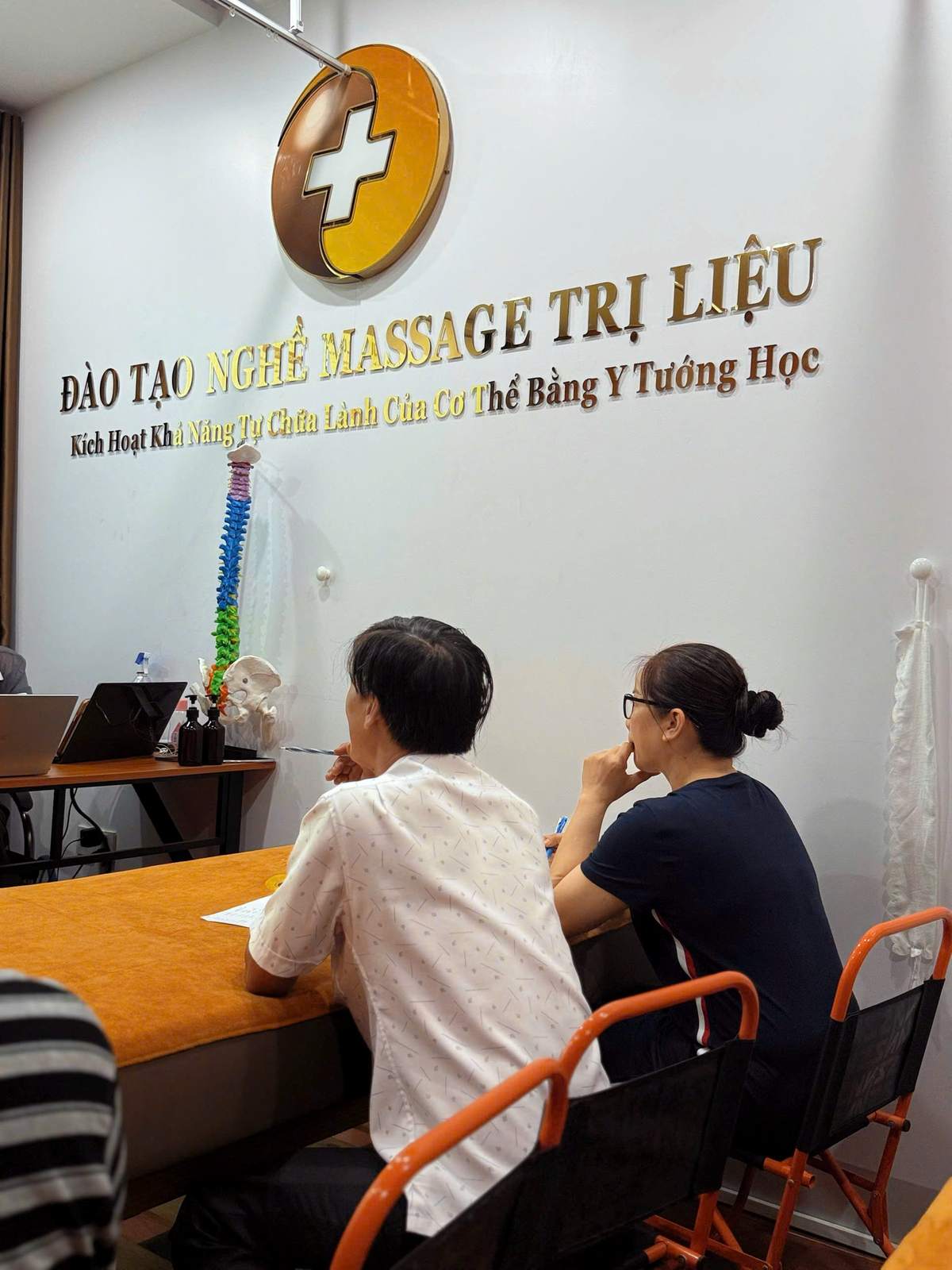
At Tong Gia, Lương Y Tống Văn Huynh, with more than 13 years in traditional Eastern wellness and Y Tướng Học, teaches the classes in person. Beginners start with L1 Introduction to Y Tướng Học (1.500.000đ): reading complexion, Five Element body types, the 3 facial zones, practice in pairs. See also the Y Tướng Học course.
How to sign up
The free Sunday Y Tướng Học session and the Sunday-morning trial class, 9:00–12:00, are open to newcomers, at căn T16-21 khu Manhattan, Vinhomes Grand Park, TP. Thủ Đức (unit T16-21, Manhattan block, Vinhomes Grand Park, Thu Duc City, Ho Chi Minh City). Book a trial class or call the training hotline 0917 945 259.
Frequently asked questions
Is face reading hard to learn? Memorising the names, facial zones and face shapes is not hard. The hard part is reading a real person correctly without jumping to conclusions, so you need a teacher and many rounds of cross-checking.
How is face reading different from Y Tướng Học? Face reading (physiognomy) is the general term, and many books lean towards personality and fortune. Y Tướng Học reads the signs to understand the organs according to traditional Eastern medicine and to know how to look after one's health.
Can I teach myself face reading from books? Books help you memorise the names. But reading real people needs a teacher and a way to check yourself, such as cross-checking by hand along the spine at Tong Gia.
How long until I can read faces? It depends on the person and how much they practise. Lương Y will assess you at the trial class and suggest a suitable level.
Where can I learn Y Tướng Học for free in Ho Chi Minh City? Tong Gia holds a free Sunday Y Tướng Học session at Vinhomes Grand Park, Thu Duc City. Call 0917 945 259.
Related articles
- 30 basic massage techniques learners should know: learn them in groups, not as a list of names
- 8 principles of spinal wellness massage: the rules of the hands for Tong Gia learners
- How much pressure in acupressure: gauging force by how the receiver feels
- Hands for wellness massage: soft hands, hard hands and 6 things you must train
- All articles about learning the trade
Reserve a free Sunday-morning trial class or ask about the learning path: message Zalo 0917 945 259.

Founder of Tong Gia Acupoint Wellness (Huyệt Đạo Tống Gia), with more than 13 years in Eastern wellness practice, Y Tướng Học (face reading for wellness) and spinal nerve-reflex balancing. Lương Y's story
417 customers have reviewed Tong Gia on Google Maps
Reviews are written by customers themselves on Google; tap to read them before you visit.
Huyệt Đạo Tống Gia Quận 12
225 Dương Thị Mười, Phường Tân Chánh Hiệp (District 12, Ho Chi Minh City). 8:00 – 19:00 daily.
See reviews on Google MapsHuyệt Đạo Tống Gia Quận 9
Căn T16-21 khu Manhattan, Vinhomes Grand Park, Phường Long Bình (Thủ Đức City, Ho Chi Minh City). 9:00 – 20:00 daily.
See reviews on Google MapsWant to be observed in person?
A 90-minute session starts with observation, and only then moves on to muscle release and acupressure on the right areas. Two branches: District 12 and Vinhomes Grand Park.