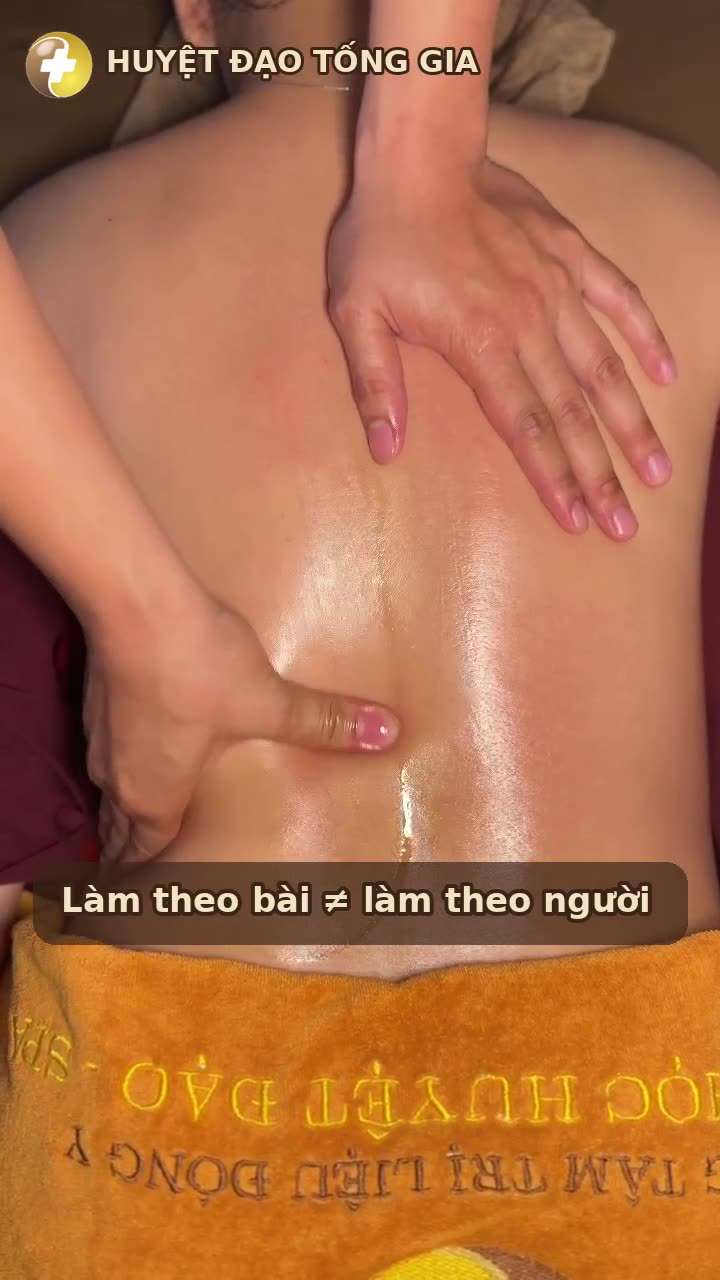
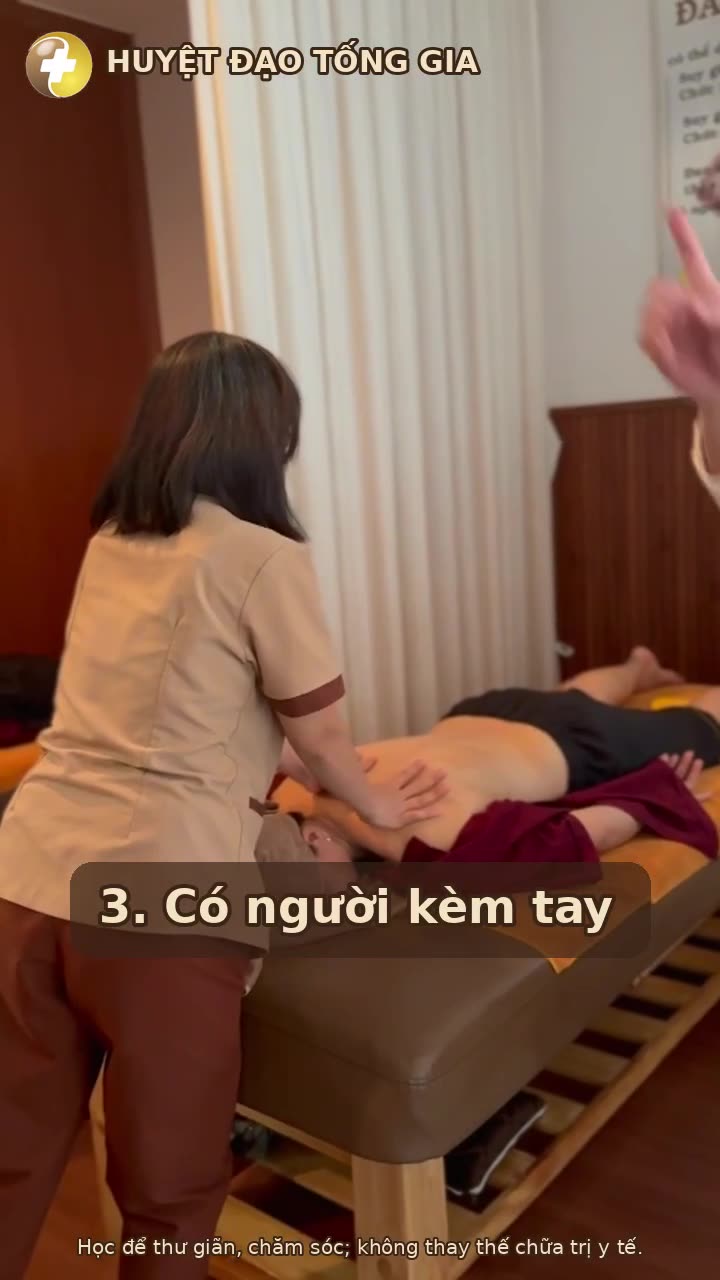
Massage course in Vietnam: what to prepare before your first class
Lương Y (traditional healer) Tống Văn Huynh · Tong Gia Acupoint Wellness (Huyệt Đạo Tống Gia) · 04/11/2026
Quick summary: What to prepare for a massage course in Vietnam: trim your nails short, wear loose clothes you can bend in, bring a notebook and your own towel; more important still, set aside regular time for hands-on practice and find a family member to practise with. Beyond the kit, come with a clear learning goal and a few questions to ask the teacher in the very first session.
Questions learners often ask about what to prepare for a therapeutic-style massage course
Can I absorb massage lessons in the evening after work?
Yes, evening study after work can work if you eat lightly, sleep enough and spend more time practicing than listening. Ask the consultant about specific evening schedules. Classes cover muscles, the spine and the idea that outer signs reflect inner organs. This is wellness care, not medical care; lasting pain needs a medical check. Classes: căn T16-21 khu Manhattan, Vinhomes Grand Park, TP. Thủ Đức; Zalo/WhatsApp +84 917 945 259.
What to bring to a therapeutic-style massage course
- Nails cut short, no thick gel polish: long nails scratch the skin of the person on the table and stop the learner from using their fingertips.
- Take off rings, bracelets and watches: they get in the way while you work and can dig into the skin.
- Loose, stretchy clothing: you will bend, hold a horse stance and change position constantly. Flat shoes that slip off easily.
- Notebook and pen: note acupoint locations, the order of movements and the mistakes the teacher points out. Film the movements on your phone when the class allows it.
- Your own towel and drinking water: practice sessions make you sweat more than you expect.
Preparing your hands and body
In the week before the course, practise a few simple movements: opening and closing your hands, rotating your wrists, pressing your thumb gently into the table. Hands that are used to moving tire less in the first session. Sleep well the night before, eat lightly 1–2 hours ahead, and do not come to class hungry or straight after a big meal.
If you have an injury in your wrist or back, or an underlying health condition, tell the teacher from the start so your posture can be adjusted to suit you. The article how fit you need to be to learn therapeutic-style massage has a detailed self-check list.
Preparing practice time
What most people overlook is practice time outside class. Therapeutic-style massage is a craft of the hands: if you listen to the lesson and do not practise, you forget it by the next week. Plan ahead: spend 20–30 minutes a day practising on a family member, or practise finding acupoints on yourself. A relative who agrees to be your “model” is worth more than any piece of equipment.
Preparing your learning goal
Before you sign up, answer one question for yourself: what am I learning this for? The answer decides the level and the pace of study.
- Learning to care for your family: you need safe self-care acupoints, how to work the neck, shoulders and upper back and the feet, and to know when not to work.
- Learning to work in the trade: you need a full care-session routine, client communication and many hours of practice.
- Learning to open your own place: beyond hand skills, you also need to learn how to train staff and how to run operations.
Preparing questions for the teacher
- What share of the time is practice on real people?
- How many people are in the class, and who corrects your hands directly?
- What paperwork do you get at the end, and what is it actually worth?
- What does the fee include, and are there any extra costs?
A fuller list is in the article questions to ask before a massage course.
How the first session goes at Tong Gia
At Tong Gia, Lương Y Tống Văn Huynh starts teaching from standing posture and how to observe a person. Learners practise reading complexion and body shape through Y Tướng Học (face reading for wellness) before placing their hands, then practise feeling along the spine in the direction of spinal nerve-reflex balancing. About 70% of class time is hands-on practice in pairs on real people, in small classes with someone guiding you. So the most useful preparation is to come ready to do, not just to listen. Tong Gia does not promise a job or income after the course.
Pain that lasts, numbness or weakness that keeps getting worse, or an underlying health condition means you need to see a doctor at a medical facility. Tong Gia is hands-on wellness care, not a medical service.
How to sign up
The trial class runs on Sunday mornings, 9:00–12:00; the Sunday Y Tướng Học session is free for anyone who wants to learn more first. Location: căn T16-21 khu Manhattan, Vinhomes Grand Park, TP. Thủ Đức (unit T16-21, Manhattan zone, Vinhomes Grand Park, Thủ Đức City, Ho Chi Minh City). Sign up for a trial class or call the training hotline 0917 945 259 (Zalo/WhatsApp +84 917 945 259) to get the schedule and the right course level.
Frequently asked questions
What should I bring to a massage class? Loose clothes, a notebook, your own towel and drinking water. Trim your nails short and take off rings and bracelets before class.
Do I need to study theory before coming to a massage class? It is not required. Reading a few articles on basic acupoints beforehand makes the lessons easier to follow, but hand skill comes mainly from practice.
Should I buy massage oil or a massage table before the course? Not yet. Finish the basics first, understand what you actually need, and only then buy equipment.
Do I need someone to practise on at home while learning massage? It is highly recommended. Practising on a real person every day helps your hands remember the movements faster.
Related articles
- What is acupressure? Principles, limits and a structured path to learning acupressure
- Acupressure vs acupuncture: how they differ, and what people outside the healthcare field should learn
- Acupressure vs massage: how they differ, and where learners should start
- Acupoint map of the human body: how to read it and in what order to learn it
- All articles about learning the trade
Reserve a free Sunday-morning trial class or ask about the learning path: message Zalo 0917 945 259.

Founder of Tong Gia Acupoint Wellness (Huyệt Đạo Tống Gia), with more than 13 years in Eastern wellness practice, Y Tướng Học (face reading for wellness) and spinal nerve-reflex balancing. Lương Y's story
417 customers have reviewed Tong Gia on Google Maps
Reviews are written by customers themselves on Google; tap to read them before you visit.
Huyệt Đạo Tống Gia Quận 12
225 Dương Thị Mười, Phường Tân Chánh Hiệp (District 12, Ho Chi Minh City). 8:00 – 19:00 daily.
See reviews on Google MapsHuyệt Đạo Tống Gia Quận 9
Căn T16-21 khu Manhattan, Vinhomes Grand Park, Phường Long Bình (Thủ Đức City, Ho Chi Minh City). 9:00 – 20:00 daily.
See reviews on Google MapsWant to be observed in person?
A 90-minute session starts with observation, and only then moves on to muscle release and acupressure on the right areas. Two branches: District 12 and Vinhomes Grand Park.