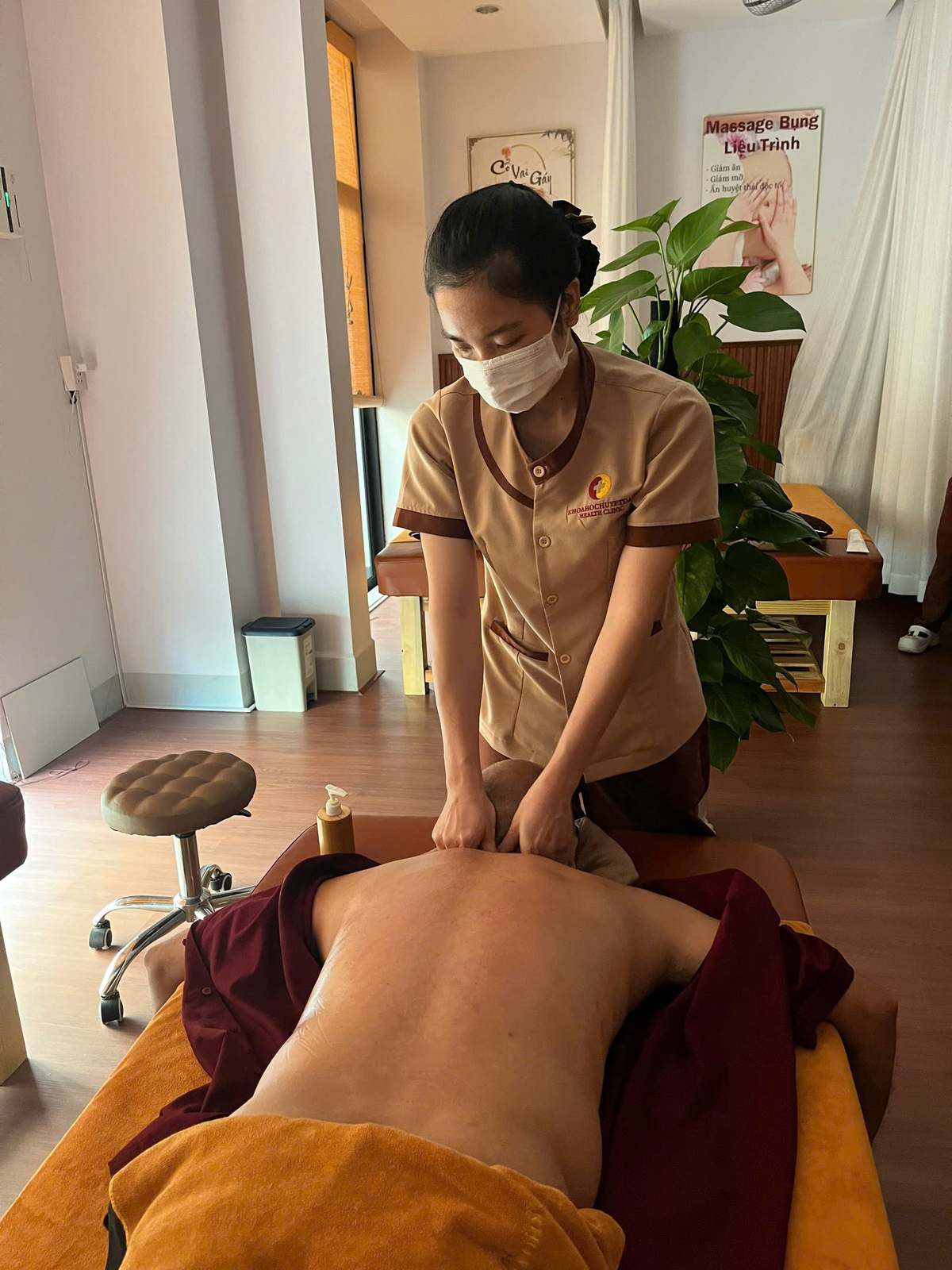
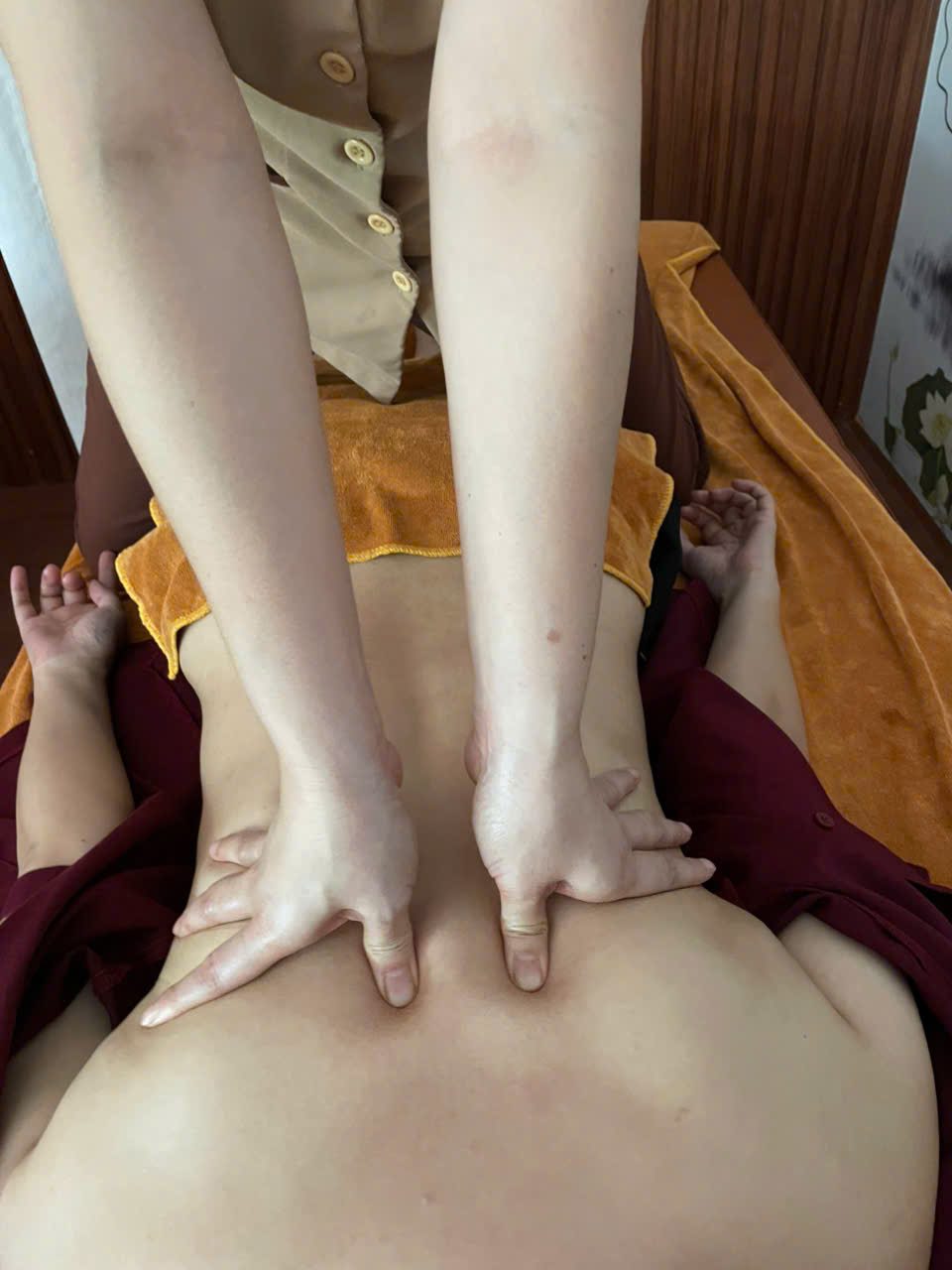
Learning to help people or to work in the trade: choose by your goal, not by advertising
Lương Y (traditional healer) Tống Văn Huynh · Tong Gia Acupoint Wellness (Huyệt Đạo Tống Gia) · 17/11/2026
Whether you learn to help people or to work in the trade, the course to choose depends on your goal: to care for yourself, your family or people around you, a foundation course such as level L1 is enough to start; to work as a massage practitioner you also need level L2 on muscle release, acupressure and the session routine. At Tong Gia Acupoint Wellness (Huyệt Đạo Tống Gia), both paths share the safety part and differ only in depth of skill.
Questions learners often ask about choosing a course to help people or to work in the trade
I am over 30 with no experience and not sure whether I want to work in massage or just learn to help my family. Which course should I take first in Thu Duc?
Take a foundation course first, then decide the direction. At Tong Gia Acupoint Wellness, level L1 teaches reading complexion, daily wellness habits, a few safe self-care points and practice in pairs, for 1,500,000 VND. Classes are at unit T16-21, Manhattan block, Vinhomes Grand Park, Thu Duc City; trial class on Sunday mornings.
To work as a therapeutic massage practitioner, how long do I study, do I need Eastern medicine first, and what is the pay?
No prior Eastern medicine is needed; beginners study L1 and then L2. An advisor gives the number of sessions and the L2 fee at registration. Tong Gia does not promise jobs or income after the course. This is a wellness health care trade, not a medical profession.
How do I choose a massage or acupressure course without wasting money, even if I only want to help people?
Ask about the share of hands-on hours, class size, who teaches, whether they teach when not to press, and ask for a trial class first. At Tong Gia about 70% of class time is practice on real people, and Lương Y Tống Văn Huynh guides each learner. Training hotline 0917 945 259.
How does learning to help people differ from learning the trade?
Whether to learn to help people or to work in the trade, and which course to choose, is the question Tong Gia hears most at trial classes. Some want to care for their parents every evening, some want to help elderly people at the pagoda or in the neighbourhood, some want to change careers, work as practitioners or open a business. Both paths share the same root: understanding the body, knowing point locations, knowing safe hand pressure and knowing when not to work. They differ in depth of skill, hours of practice, client communication and how to protect your own health when working many hours a day.
Choosing a level by goal
| Your goal | Where to start | Add when needed |
|---|---|---|
| Caring for yourself and your family | Level L1, Introduction to Y Tuong Hoc | A few L2 sessions on the neck, shoulders, back and legs |
| Helping people around you, volunteering | Level L1 | The L2 part on hand pressure and safe routines |
| Working as a practitioner | Level L1, then L2 Core Trade Skills | L3 Expert once you have clients |
| Becoming a spinal balancing expert | L1, L2, then L3 Expert | Advanced Y Tuong Hoc |
| Opening a business, training staff | The full path from L1 to L3 | L4 Master and Transfer |
4 questions to ask yourself before registering
- Who will I work on? Family, neighbours or paying clients.
- How many hours a week can I give? Learning the trade needs regular hand practice.
- How is my own health? The trade means long hours standing and using your hands.
- Do I want income from this? If so, you also need client communication and the session routine.
What must never be cut, even if you only learn to help
People learning to help often think a little study is enough. In reality, the people they help are often elderly, frail or living with underlying conditions, so the safety part must be even more solid. At Tong Gia, every learner studies observing complexion and posture through Y Tuong Hoc (Vietnamese physiognomy) before touching, checking again by hand on the spine, and recognising signs that call for a medical check, such as lasting pain, increasing numbness or weakness, chest pain or fever. Acupressure is wellness health care and does not replace a medical check. See also learning acupressure for volunteer work and learning wellness care for the family.
Can I switch from one path to the other later?
Yes. Many people start learning to care for their parents, find their hands growing confident and then want to work. Because Tong Gia’s 4-level ladder builds up from the foundation, what you learned at L1 is not wasted when you continue to L2. In the other direction, those learning the trade can use the same knowledge to care for their family straight away. To understand the trade pathway, read learning therapeutic massage. Tong Gia does not promise jobs or income after the course; an advisor gives the number of sessions and the L2–L4 fees at registration.
Lương Y Tống Văn Huynh, with more than 13 years in the craft, usually watches each person’s hands and hears their goal at the trial class before suggesting a suitable level.
How to register
The Sunday morning trial class 9:00–12:00 (10 places) and the Sunday Y Tuong Hoc session with no fee are open sessions for beginners, at unit T16-21, Manhattan block, Vinhomes Grand Park, Thu Duc City, Ho Chi Minh City. Book a trial class or call the training hotline 0917 945 259.
Frequently asked questions
Which course should I take to learn acupressure for my family? Start with a foundation course such as Tong Gia level L1; for deeper work on the neck, shoulders and back, add part of L2.
Which level should I study to work as a massage practitioner? Study L1 and then L2 Core Trade Skills on muscle release, acupressure, the session routine and client communication.
Do I need the safety part if I only learn to help people? Yes, because the people helped are often elderly or frail; you must know when not to press and when to advise a medical check.
After L1 can I continue to work in the trade? Yes; the 4-level ladder builds from the foundation, so nothing you learned is wasted.
When and where is the Tong Gia trial class? Sunday mornings 9:00–12:00, unit T16-21, Manhattan block, Vinhomes Grand Park, Thu Duc City; hotline 0917 945 259.
Related articles
- What is acupressure? Principles, limits and a structured path to an acupressure course in Vietnam
- Acupressure and acupuncture: what is the difference for learners
- Acupressure vs massage: how they differ, and where to start if you want to learn the trade
- Acupoint map of the human body: how to read the meridian map and what order to learn it in
- All articles about learning the trade
Reserve a free Sunday-morning trial class or ask about the learning path: message Zalo 0917 945 259.

Founder of Tong Gia Acupoint Wellness (Huyệt Đạo Tống Gia), with more than 13 years in Eastern wellness practice, Y Tướng Học (face reading for wellness) and spinal nerve-reflex balancing. Lương Y's story
417 customers have reviewed Tong Gia on Google Maps
Reviews are written by customers themselves on Google; tap to read them before you visit.
Huyệt Đạo Tống Gia Quận 12
225 Dương Thị Mười, Phường Tân Chánh Hiệp (District 12, Ho Chi Minh City). 8:00 – 19:00 daily.
See reviews on Google MapsHuyệt Đạo Tống Gia Quận 9
Căn T16-21 khu Manhattan, Vinhomes Grand Park, Phường Long Bình (Thủ Đức City, Ho Chi Minh City). 9:00 – 20:00 daily.
See reviews on Google MapsWant to be observed in person?
A 90-minute session starts with observation, and only then moves on to muscle release and acupressure on the right areas. Two branches: District 12 and Vinhomes Grand Park.