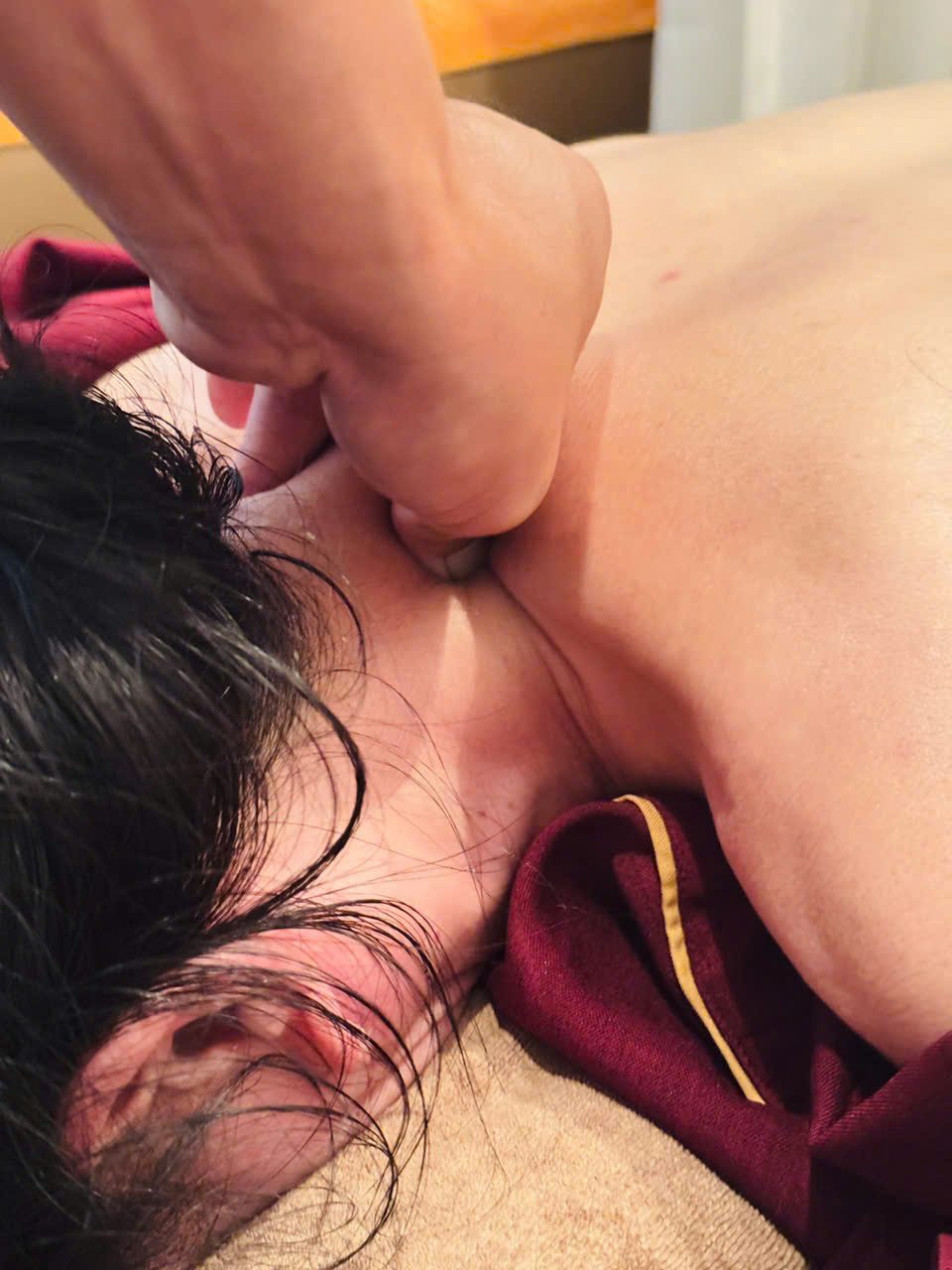
The lách technique for finding key points: how Tong Gia learners scan gaps and grooves so nothing is missed
Lương Y (traditional healer) Tống Văn Huynh · Tong Gia Acupoint Wellness (Huyệt Đạo Tống Gia) · 14/11/2026
The lách technique for finding key points means slipping a fingertip or finger edge into the gaps between muscle masses, or between muscle and bone, and scanning along the groove to find new tight spots that appear once the main area has softened. At Tong Gia Acupoint Wellness (Huyệt Đạo Tống Gia), lách keeps learners from missing key points.
Questions learners often ask about the lách technique
What is lách in wellness massage?
Lách is a technique of slipping a fingertip or finger edge into gaps and grooves between muscle masses or between muscle and bone, then scanning slowly along that gap. The Tong Gia Acupoint Wellness (Huyệt Đạo Tống Gia) curriculum groups lách with bỉ and miết, used to keep tracking down new key points.
What is a key point, and why keep searching?
A key point is the stiffest, warmest or most clearly achy spot the hand can read in an area. Once the main area softens, smaller spots deep in the gaps appear. Without lách, practitioners easily stop too early and miss them.
Where in Ho Chi Minh City can I learn the lách technique?
Tong Gia Acupoint Wellness teaches lách in Module 4 of the spinal nervous reflex balancing massage course, with Lương Y Tống Văn Huynh leading the class at Vinhomes Grand Park, Thu Duc City. Sunday trial class, 9:00–12:00; training hotline 0917 945 259.
The back feels soft, but it is not done
At the end of a practice round, a learner tells the teacher: my partner's back is all soft now. Lương Y Tống Văn Huynh does not glide over the whole back again. He places the edge of a finger along the inner border of the right shoulder blade, slips gently into the gap and scans slowly downward. Near the lower corner, the person lying down lets out a soft "ah". "This spot was hidden under thick muscle; now the muscle is soft, it shows." That is the job of the lách technique for finding key points.
What is lách?
In the Tong Gia curriculum, lách is grouped with bỉ and miết: deep work and continually tracking down new key points, with lách being the scan of gaps and grooves. Put simply, lách means slipping a fingertip or finger edge into the gap between two muscle masses, or between muscle and bone, then moving slowly along it. If bỉ and miết go deep into a hollow already known, lách goes looking for what is not yet known. Read more on pressing and gliding for hollow areas.
What is a key point?
A key point is the spot in an area that is stiffest, warmer, or most clearly achy to the person lying down, read by hand during the survey step. A back area usually has a few large, easy-to-find key points and many small ones lying deep, covered by thick muscle above. Once the large points soften, the small ones appear. That is why the curriculum says "continually track down": find, work, then find again.
Gaps and grooves learners often scan
- The groove beside the spine: between the spinous processes and the erector muscles, from the nape to the lower back.
- The inner border of the shoulder blade: the gap between the shoulder blade and the muscles beside the thoracic spine.
- Below the skull base: the gap under the occipital bone on both sides of the nape, with very light pressure.
- The upper rim of the hip bone: where the lower-back muscles attach to the pelvis.
The groove beside the spine is also where the Giáp Tích points lie; see what the Giáp Tích point is and gliding along the spinal groove.
Lách within one session
- After, not before: use lách after the main area has been warmed and softened.
- Slow and shallow first: slip in gently and make one shallow pass to listen to the gap.
- Stop when you find it: on a stiff or warm spot, or when the client feels an ache, stop and hold for a few breaths.
- Choose the next technique: a new key point may need light bỉ, kneading, or simply holding.
- Dosage: stop at the threshold; do not keep scanning one area forever.
Time for each area follows timing in spinal wellness massage.
Common beginner mistakes
Scanning with the fingernail instead of the fingertip, which stings. Slipping in too deep on the first pass, so the client tenses up. Scanning as fast as stroking, so the gap stays "silent" and nothing is felt. Using the same pressure at the nape as at the lower back. And the most common: stopping as soon as the back feels soft, without searching again.
How Lương Y Tống Văn Huynh teaches learners to search a second time
With more than 13 years in Eastern wellness and spinal nervous reflex balancing massage, Lương Y Tống Văn Huynh tells learners: "Only when the top layer of muscle softens will the layer beneath speak; a practitioner must come back and listen once more before saying it is done." In class, after each round, learners scan one gap again and note how many new key points they found.
When not to use lách
Do not use lách on fresh injuries, hot red swelling, inflamed skin, wounds, recent surgical areas, or on people taking blood thinners who bruise easily. Work only lightly below the skull base and stop at once if the client feels dizzy or nauseous. If there is pain spreading to the arms or legs with numbness or weakness, fever, weight loss or pain worse at night: stop and advise the client to visit a medical facility. Tong Gia Acupoint Wellness offers wellness care, not a medical service.
Which level covers this?
Lách is taught in Module 4 – System of techniques and methods in practice, in the Specialist Course (L3), after learning to read active and inhibited zones on the back. See the teacher Lương Y Tống Văn Huynh.
How to register
The Sunday trial class, 9:00–12:00, and the Sunday Y Tuong Hoc (face reading for wellness) session with no fee are open sessions for beginners, at unit T16-21, Manhattan block, Vinhomes Grand Park, Thu Duc City. Tong Gia does not promise jobs or income after the course. Book a trial class or call the training hotline 0917 945 259.
Frequently asked questions
What is the lách technique for finding key points? Slipping a fingertip or finger edge into gaps between muscle masses or between muscle and bone, scanning slowly to find new tight spots that appear.
How does lách differ from bỉ and miết? Bỉ and miết work deep in a known hollow; lách runs along gaps and grooves to find key points not yet known.
When is lách used in a session? After the main area is warm and soft, to keep finding small spots lying deep.
Where can I learn lách? In the Specialist Course (L3) at Tong Gia Acupoint Wellness, Vinhomes Grand Park, Thu Duc City. Sunday trial class 9:00–12:00, hotline 0917 945 259.
Related articles
- 8 principles of spinal wellness massage: the rules of the hands for Tong Gia learners
- How to use the right pressure in acupressure: measuring force by how the receiver feels
- Hands for wellness massage: soft hands, hard hands and 6 things you must train
- All articles about learning the trade
Reserve a free Sunday-morning trial class or ask about the learning path: message Zalo 0917 945 259.

Founder of Tong Gia Acupoint Wellness (Huyệt Đạo Tống Gia), with more than 13 years in Eastern wellness practice, Y Tướng Học (face reading for wellness) and spinal nerve-reflex balancing. Lương Y's story
417 customers have reviewed Tong Gia on Google Maps
Reviews are written by customers themselves on Google; tap to read them before you visit.
Huyệt Đạo Tống Gia Quận 12
225 Dương Thị Mười, Phường Tân Chánh Hiệp (District 12, Ho Chi Minh City). 8:00 – 19:00 daily.
See reviews on Google MapsHuyệt Đạo Tống Gia Quận 9
Căn T16-21 khu Manhattan, Vinhomes Grand Park, Phường Long Bình (Thủ Đức City, Ho Chi Minh City). 9:00 – 20:00 daily.
See reviews on Google MapsWant to be observed in person?
A 90-minute session starts with observation, and only then moves on to muscle release and acupressure on the right areas. Two branches: District 12 and Vinhomes Grand Park.