Compression and wave methods in spinal wellness massage: how they differ and when to use them
Lương Y (traditional healer) Tống Văn Huynh · Tong Gia Acupoint Wellness (Huyệt Đạo Tống Gia) · 13/11/2026
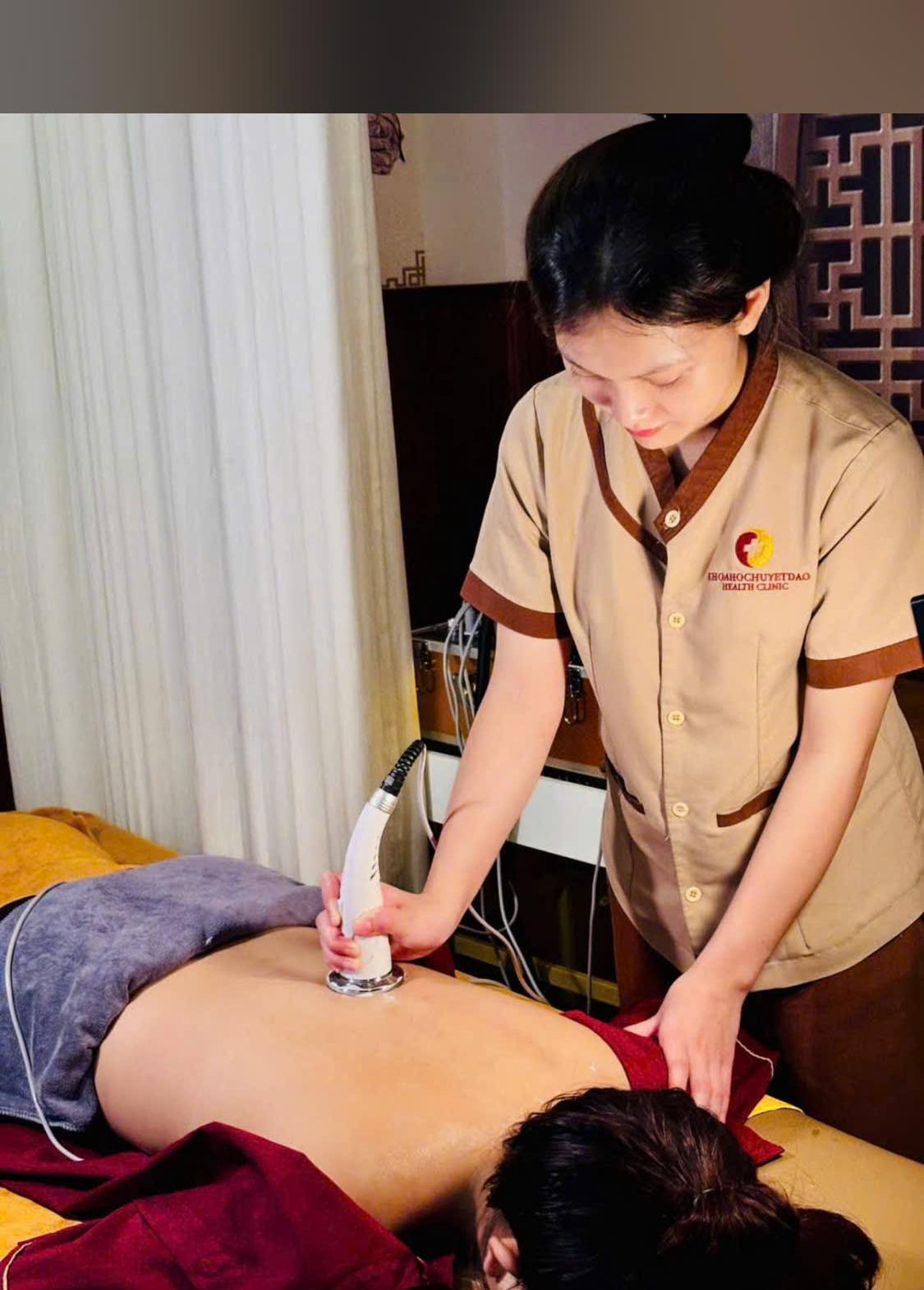
Compression and wave methods in massage are two ways of working in spinal nerve-reflex balancing. At Tong Gia Acupoint Wellness (Huyệt Đạo Tống Gia) in Ho Chi Minh City, compression helps stiff, stuck spinal segments move again, while waves send an even sensation from the neck down to the tailbone so the body can adjust itself.
Questions learners often ask about compression and wave methods
I've had spinal massage in Saigon: how are compression and waves different, and is this bone adjustment?
It is not bone adjustment. Compression holds steady pressure in a pulling, lifting, screwing or static position so stiff spinal segments move again; waves are an even rhythm of sensation from the neck to the tailbone. Tong Gia teaches both as wellness care and does not teach spinal adjustment.
I live in Thu Duc and want to learn spinal compression and wave work properly. Which level is it?
Compression and wave methods belong to the technique module of the spinal nerve-reflex balancing part of the Specialist Course (L3) at Tong Gia, Vinhomes Grand Park, Thu Duc City. Lương Y Tống Văn Huynh teaches, and learners practise in pairs. Beginners take L1 first.
Who should not receive spinal compression?
People with severe osteoporosis, a recent spinal injury or surgery, pregnant women, people on blood thinners, and anyone with back pain plus worsening numbness or weakness should not receive compression. They should get a medical check first. Tong Gia teaches safety screening before every technique.
Two very different sensations on the same back
In class, learners lie down to feel both. First, Lương Y Tống Văn Huynh holds an even, firm pressure on one area of the lower back without moving, for a few breaths, then releases. Next, he lets his hands travel in an even rhythm from the nape all the way down to the sacrum, like small waves. The person lying down says straight away: the first time felt like "the stiff part opening up", the second like "the whole back settling down". That is the difference between compression and wave methods in massage for the spine.
What is the compression method?
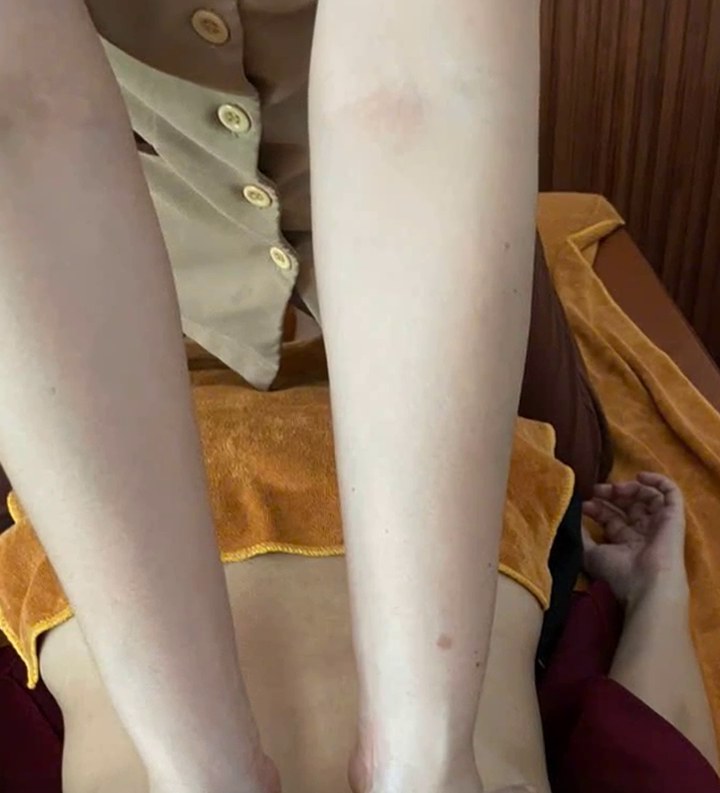
According to Tong Gia's curriculum, compression helps stiff, stuck vertebrae move again. The practitioner holds a steady, directed pressure while the client is in a set position, so the muscles around the vertebrae become less tight and the joints move more easily. Compression is not cracking and not bone adjustment.
Four kinds of compression
- Pulling compression: the client sits, stands or lies on the back; the pressure comes with a gentle stretching pull.
- Lifting compression: the client's arm or leg is lifted to open the area being cared for.
- Screw compression: used for the knee and hip areas.
- Static compression: the client lies on the back, on the side or stands; it can be combined with gliding.
What is the wave method?
The wave method creates regular waves of sensation area by area, from the neck down to the tailbone, keeping an even, controlled rhythm. It is based on the sensation-wave principle: soft pressure creates a rhythm of "comfortable ache", the muscle contracts and releases with it, the nervous system receives an even signal and the body adjusts itself. Read more on sensation waves in massage.
When to use compression, when to use waves?
- Stiff, stuck spinal segments that move poorly, with thick tight muscle around them: think of compression, after careful reading by hand.
- A tense back overall, a tired client, nervous tension, soft thick muscle: favour waves to relax the whole axis.
- Many sessions combine them: waves to open so the muscles get used to the hands, compression at the key point, waves to close.
Every choice comes after reading the spine by hand and follows the 8 principles of spinal wellness massage: pressure grading from light to strong, direction with the spinal canal as the axis, dosage stopping when skin turns from dry to moist.
How Lương Y Tống Văn Huynh teaches learners to keep the rhythm
The most common beginner mistakes are compressing too long and waves that are uneven: sometimes fast, sometimes slow, sometimes strong, sometimes light. Lương Y Tống Văn Huynh teaches: "Compression lets the stiff area move again, waves let the body adjust itself; the hands must be as even as the client's breathing, or the client cannot let go." Learners practise breathing in time with the person lying down, counting the wave rhythm on each out-breath, and only add pressure once the person has relaxed.
When to advise a client to see a doctor
Do not use compression with severe osteoporosis, a recent spinal injury or spinal surgery, pregnancy, or blood thinners. If a client has back pain with fever, worsening numbness or weakness in the limbs, bladder problems or pain at night: do not work, and advise a check at a medical facility. If during the session the client feels faint, sharp pain or spreading numbness, stop at once. Tong Gia offers wellness care, not a medical service, and its courses contain no bone adjustment.
Which level teaches this?
Compression and wave methods are part of the technique module of the spinal nerve-reflex balancing part of the Specialist Course (L3), learned after the 8 principles. Beginners start with L1 Foundation. Read more about the teacher: Lương Y Tống Văn Huynh.
How to sign up
The trial class on Sunday morning, 9:00–12:00, and the Sunday Y Tướng Học (face reading for wellness) session with no fee are open sessions for beginners, at unit T16-21, Manhattan block, Vinhomes Grand Park, Thu Duc City. Tong Gia does not promise jobs or income after the course. Book a trial class or call the training hotline 0917 945 259.
Frequently asked questions
How do compression and wave methods in massage differ? Compression holds steady pressure so stiff spinal segments move again; waves create an even rhythm of sensation from neck to tailbone so the body adjusts itself.
Is compression bone adjustment? No. It is directed pressure on the muscles around the vertebrae; Tong Gia's courses contain no bone adjustment.
How many kinds of compression are there? Four: pulling, lifting, screw and static compression.
Where can I learn compression and wave methods? In the Specialist Course (L3) at Tong Gia, Vinhomes Grand Park, Thu Duc City. Trial class Sunday 9:00–12:00, hotline 0917 945 259.
Related articles
- 8 principles of spinal wellness massage: the rules of the hands for Tong Gia learners
- How to use the right pressure in acupressure: measuring force by how the receiver feels
- Hands for wellness massage: soft hands, hard hands and 6 things you must train
- All articles about learning the trade
Reserve a free Sunday-morning trial class or ask about the learning path: message Zalo 0917 945 259.

Founder of Tong Gia Acupoint Wellness (Huyệt Đạo Tống Gia), with more than 13 years in Eastern wellness practice, Y Tướng Học (face reading for wellness) and spinal nerve-reflex balancing. Lương Y's story
417 customers have reviewed Tong Gia on Google Maps
Reviews are written by customers themselves on Google; tap to read them before you visit.
Huyệt Đạo Tống Gia Quận 12
225 Dương Thị Mười, Phường Tân Chánh Hiệp (District 12, Ho Chi Minh City). 8:00 – 19:00 daily.
See reviews on Google MapsHuyệt Đạo Tống Gia Quận 9
Căn T16-21 khu Manhattan, Vinhomes Grand Park, Phường Long Bình (Thủ Đức City, Ho Chi Minh City). 9:00 – 20:00 daily.
See reviews on Google MapsWant to be observed in person?
A 90-minute session starts with observation, and only then moves on to muscle release and acupressure on the right areas. Two branches: District 12 and Vinhomes Grand Park.