How does an acupressure practitioner differ from an assistant physician of traditional medicine? Training, permitted work and limits
Lương Y (traditional healer) Tống Văn Huynh · Tong Gia Acupoint Wellness (Huyệt Đạo Tống Gia) · 22/11/2026
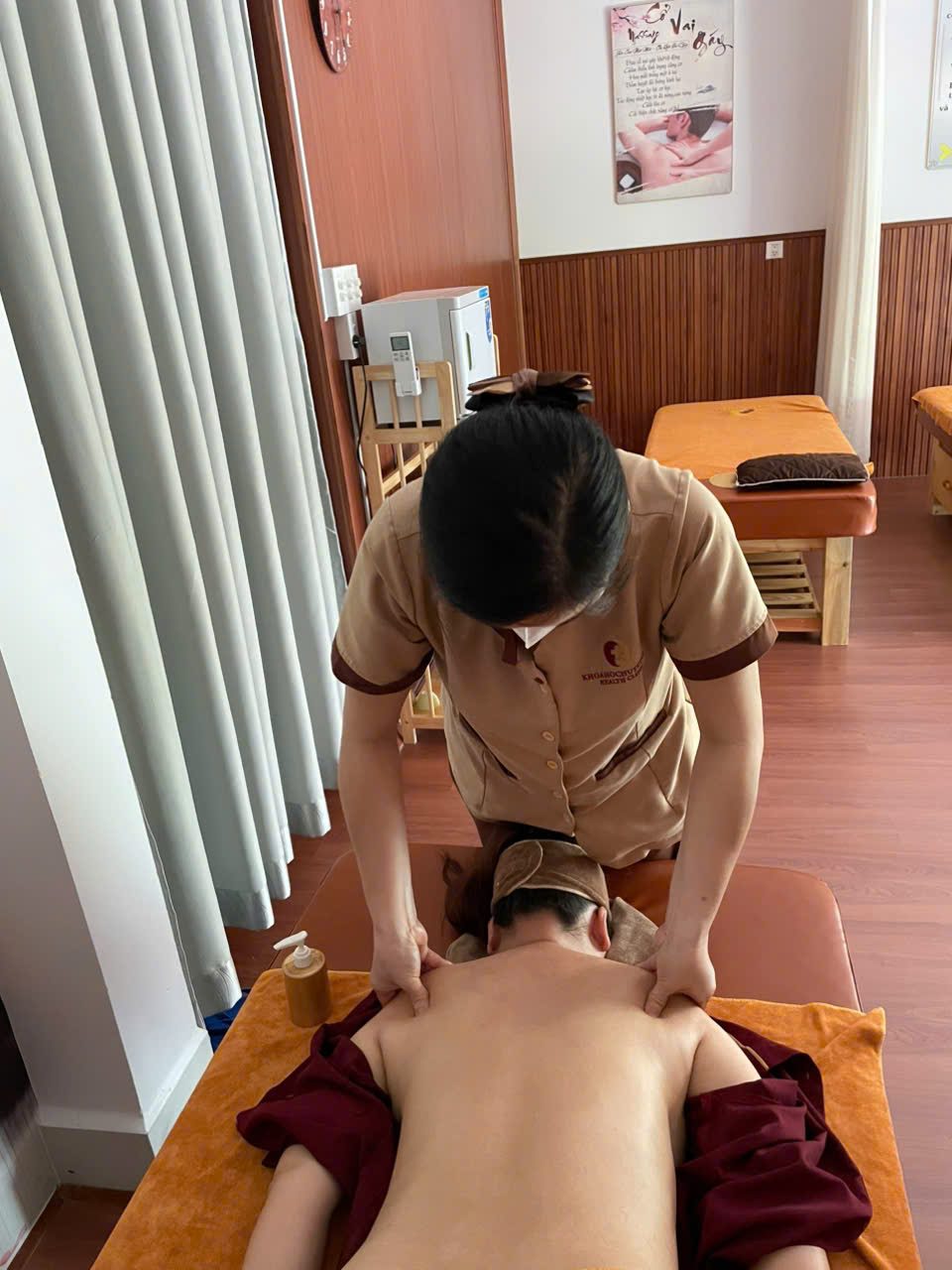
An acupressure practitioner differs from an assistant physician of traditional medicine (y sĩ y học cổ truyền) in this way: the y sĩ studies a formal medical programme and practises medicine under a licence, while a wellness acupressure practitioner gives hands-on health care, does not conclude anything about illness, does not prescribe and does not use needles. Tong Gia Acupoint Wellness (Huyệt Đạo Tống Gia) trains wellness practitioners and teaches this line from the first level.
Questions learners often ask about practitioners and assistant physicians
I am 27 and live in District 12. I want to work with acupressure. Should I train as a practitioner or as an assistant physician of traditional medicine?
If you want to work in medicine, prescribe or use acupuncture, study to become a y sĩ at a medical school. If you want hands-on wellness care and perhaps a small place of your own, train as a practitioner. Tong Gia trains wellness practitioners at Vinhomes Grand Park; hotline 0917 945 259.
Can an acupressure practitioner take the pulse and give clients herbal remedies?
No. That belongs to licensed medical practitioners. A wellness practitioner reads the complexion and feels the muscles along the spine, following "signs outside, organs inside", to choose how to care, without concluding about illness. Tong Gia teaches this limit; lasting pain means advising a medical check.
Is there a practitioner course in Thu Duc that also teaches professional limits?
Yes. Tong Gia Acupoint Wellness teaches at unit T16-21, Manhattan block, Vinhomes Grand Park; L2 Basic Trade covers acupressure, the 90-minute session and professional limits, taught in person by Lương Y Tống Văn Huynh. Sunday morning trial class, hotline 0917 945 259.
Two trades that use acupoints in different roles
Many newcomers ask how an acupressure practitioner differs from an assistant physician of traditional medicine, and what each path lets you do. Both study meridians and know point names, so they are easily confused. But one is a licensed medical practitioner and the other gives wellness care. Understanding this helps learners choose the right path and keeps practitioners from stepping outside their role without realising it.
Comparison table
| Criterion | Assistant physician of traditional medicine (y sĩ) | Wellness acupressure practitioner |
|---|---|---|
| Training | Formal medical programme at a medical school, covering modern and traditional medicine | Vocational wellness course with heavy hands-on practice |
| Papers | Y sĩ diploma and a practising licence under medical-practice law | Course papers, depending on the training provider |
| Permitted work | Medical examination, prescribing traditional remedies, acupuncture within the licence | Wellness massage, acupressure, muscle release; teaching clients self-care at home |
| Not permitted | Work outside the licence | Concluding about illness, prescribing, using needles, promising results |
| Workplace | Medical facilities | Wellness places, health-care spas, clients' homes |
The table gives an overview only. Detailed rules on medical practice are issued by the state; anyone aiming for a medical career should ask a medical school directly.
What practitioners use Eastern-medicine knowledge for
At Tong Gia, learners still study yin and yang, the Five Elements, the five organs, meridians and Y Tuong Hoc. But that knowledge is used to choose how to care, not to conclude about illness. For example: seeing a pale complexion, cold hands and feet and tight lower-back muscles, the practitioner chooses lighter pressure, keeps the client warm, works slowly and asks more about sleep and eating. The practitioner does not say "you have illness A", does not tell clients to stop prescribed medicine and does not hand out remedies.
To see why acupressure and acupuncture are two different things, read how acupressure and acupuncture differ.
Three things a practitioner should say correctly
- When a client asks "what do I have?": "I give wellness care; I don't conclude about illness. Please ask someone with medical expertise about this."
- When a client has lasting pain, numbness or weakness that keeps increasing, a fever or an uncontrolled underlying condition: stop the session and advise a visit to a medical facility.
- When a client is on prescribed medicine: "Please keep taking it as your prescriber advised; this care session does not replace medicine."
What makes a good practitioner
Lương Y Tống Văn Huynh often tells learners that a good practitioner is not someone who can name many illnesses, but someone who knows how far their hands can go and stops at the right moment. A good practitioner reads the body by hand, keeps a clear procedure, notes the client's response after each session and knows when to send the client for a medical check. On professional papers, see practising papers in health care.
Practitioner training at Tong Gia goes level by level
L1 Introduction to Y Tuong Hoc (1,500,000 VND) covers reading the complexion, Five Element body types and a few safe self-care points. L2 Basic Trade covers muscle release, acupressure for neck and shoulders, back and legs, the 90-minute session, communication and professional limits. L3 Specialist covers spinal reflex-nervous-system balancing. L4 Master and Transfer is for those opening a place. Fees for L2–L4 are given by the advisor at registration.
How to register
The Sunday morning trial class 9:00–12:00 (10 places) and the Sunday Y Tuong Hoc session with no fee are open sessions for beginners, at unit T16-21, Manhattan block, Vinhomes Grand Park, Thu Duc City, Ho Chi Minh City. Book a trial class or call the training hotline 0917 945 259.
Frequently asked questions
How does an acupressure practitioner differ from an assistant physician of traditional medicine? The y sĩ studies a formal medical programme and practises under a licence; a wellness practitioner gives hands-on care, does not conclude about illness, prescribe or use needles.
Can an acupressure practitioner do acupuncture? No. Acupuncture belongs to licensed medical practitioners; wellness practitioners use only their hands.
What must I study to prescribe traditional remedies? A medical programme at a medical school plus a practising licence as required by law; a wellness vocational course cannot replace that.
What do practitioners use Eastern-medicine knowledge for? To choose pressure, rhythm and areas of care and to ask clients the right questions, not to conclude about illness or replace a client’s medicine.
Where can I train as a wellness practitioner? Tong Gia Acupoint Wellness, unit T16-21, Manhattan block, Vinhomes Grand Park, Thu Duc City; hotline 0917 945 259.
Related articles
- 8 principles of spinal wellness massage: the rules of the hands for Tong Gia learners
- How to use the right pressure in acupressure: measuring force by how the receiver feels
- Hands for wellness massage: soft hands, hard hands and 6 things you must train
- All articles about learning the trade
Reserve a free Sunday-morning trial class or ask about the learning path: message Zalo 0917 945 259.

Founder of Tong Gia Acupoint Wellness (Huyệt Đạo Tống Gia), with more than 13 years in Eastern wellness practice, Y Tướng Học (face reading for wellness) and spinal nerve-reflex balancing. Lương Y's story
417 customers have reviewed Tong Gia on Google Maps
Reviews are written by customers themselves on Google; tap to read them before you visit.
Huyệt Đạo Tống Gia Quận 12
225 Dương Thị Mười, Phường Tân Chánh Hiệp (District 12, Ho Chi Minh City). 8:00 – 19:00 daily.
See reviews on Google MapsHuyệt Đạo Tống Gia Quận 9
Căn T16-21 khu Manhattan, Vinhomes Grand Park, Phường Long Bình (Thủ Đức City, Ho Chi Minh City). 9:00 – 20:00 daily.
See reviews on Google MapsWant to be observed in person?
A 90-minute session starts with observation, and only then moves on to muscle release and acupressure on the right areas. Two branches: District 12 and Vinhomes Grand Park.