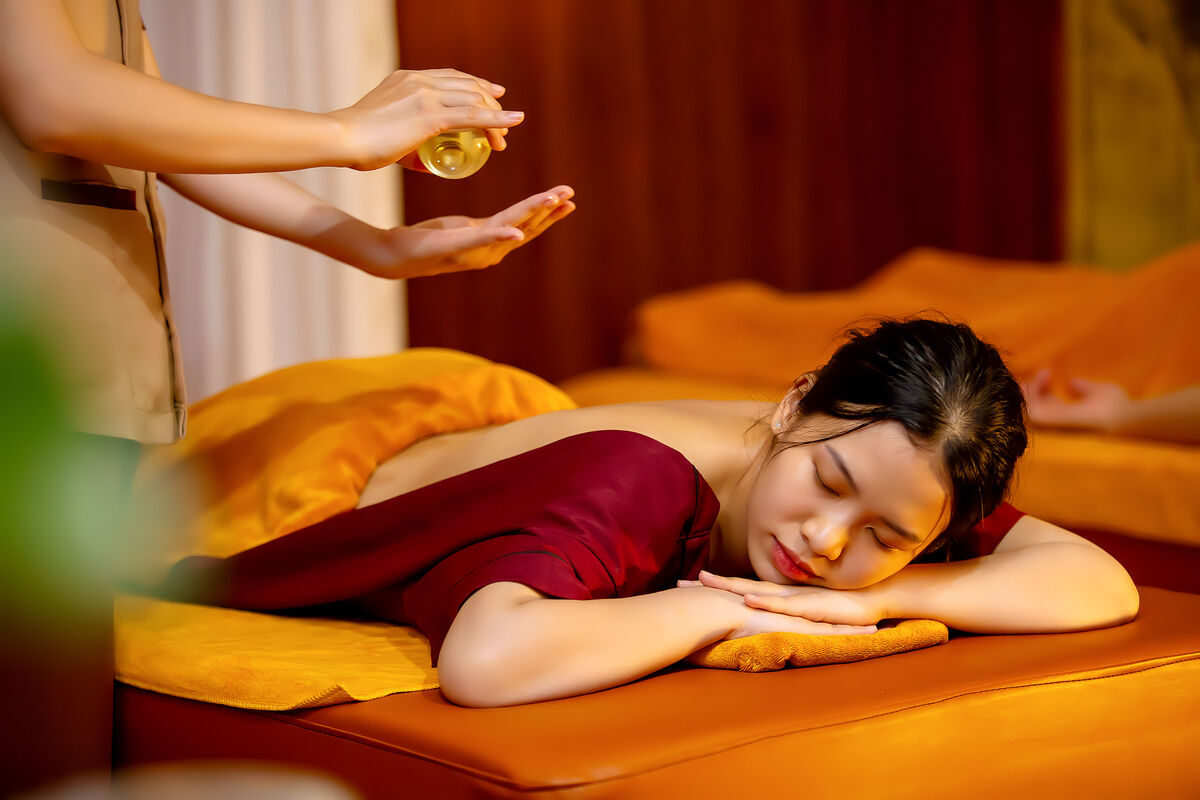
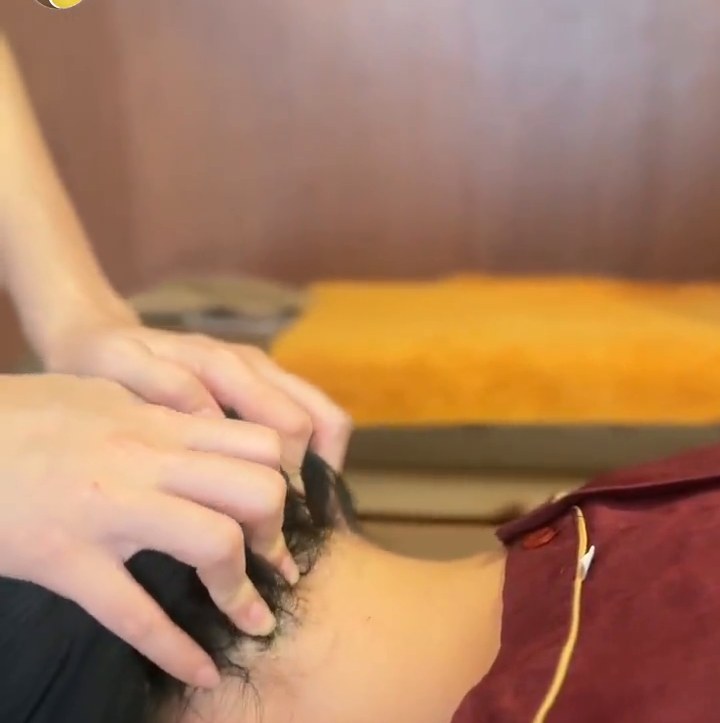
Massage after a heart stent: should a client with a stent get a massage, and what must the massage technician ask and avoid?
Lương Y (traditional healer) Tống Văn Huynh · Tong Gia Acupoint Wellness (Huyệt Đạo Tống Gia) · 10/11/2026
Should a client with a heart stent get a massage? Only once the doctor who monitors the client's heart has agreed; then the technician uses light pressure for a short time and avoids the chest and the front of the neck. Tong Gia teaches learners to ask carefully before the session and to know when to decline or stop.
Why must a massage technician know about clients with a stent?
A stent is a small mesh tube placed inside a blood vessel in hospital to keep the vessel open. People with a heart stent usually have to take prescribed medicines for a long time, including anticoagulants and antiplatelet drugs. For a massage practitioner, this means the client's skin and muscles bruise more easily than other people's, and the client's heart health must be respected to the highest degree.
More and more of the clients who come to wellness centres are middle-aged or elderly. Meeting a client with a stent is not rare. When the technician knows how to ask and how to adjust, the client feels more at ease and the centre is safer too. Massage is a wellness care service, not a medical service, so this boundary must be clear.
What should the massage technician ask before the session?
- When was the stent placed? If it was placed recently, the client should ask their cardiologist before going for a massage. The technician does not accept the session while the client has not yet asked their doctor.
- Has the cardiologist given any advice about exercise or massage? If the client was told to avoid it, the technician respects that.
- What medicines is the client taking? Especially anticoagulants. If so, reduce the pressure clearly, no cupping, no coin scraping (cạo gió).
- Any recent chest pain, shortness of breath, swollen legs or unusual tiredness? If yes, do not work and advise the client to see a doctor.
- Where the catheter was inserted during the procedure, at the wrist or the groin. That area must be avoided, especially while it is still recent.
The answers should be written on the client card so that another technician will also know next time.
Once the client's doctor has agreed, how does the technician work?
- Light to moderate pressure. Prefer rubbing, stroking and gentle kneading. Limit deep pressing and strong pushing or twisting.
- Avoid the chest, the front of the neck and the catheter site. Do not press on the area where the pulse beats in the neck.
- No cupping, no coin scraping, no tools that create strong pressure.
- A shorter session than usual, about 30–45 minutes, in a room that is not too hot, with no hot steam.
- A position that makes breathing easy. Ask whether lying face down for a long time is uncomfortable; you can work with the client lying on their side or sitting.
- Keep asking how the client feels and watch their breathing and complexion.
Light techniques such as stroking and gentle kneading also help the client relax without piling on force. Learners can read the article on pressing and rolling techniques to understand how to adjust pressure.
When must the technician decline or stop?
- The client has not asked their doctor yet, or has been told to avoid massage.
- The client currently has chest pain, shortness of breath, swollen legs, dizziness or exhaustion.
- There are many bruises on the skin with no clear cause.
- During the session the client feels chest tightness, shortness of breath or breaks out in a sweat: stop at once and call the emergency number 115.
The signs that call for emergency services are covered in detail in the article heart warning signs that call for emergency services every massage technician must know. Other cases that call for declining are in the article when a massage technician must decline to work.
Learning to work safely in the trade
People who take a massage course at Tong Gia to learn therapeutic-style massage do not only train their hands. Learners are taught to ask clients questions before the session, to read the complexion according to Y Tướng Học (face reading for wellness) to recognise someone who is tired, and to know the limits of a health-care trade. Lương Y Tống Văn Huynh guides these situations in person in class, for everyone from people learning to care for elderly parents to those who want to work in the trade or open their own centre.
How to register
The trial class every Sunday morning, 9:00–12:00, and the free Sunday Y Tướng Học session are the open schedule for newcomers, at căn T16-21 khu Manhattan, Vinhomes Grand Park, TP. Thủ Đức (Thu Duc City, Ho Chi Minh City). Register for a trial class or call the training hotline 0917 945 259.
Questions learners often ask
Is massage safe for someone who has a heart stent?
Only with clearance from the person's cardiac care team. If they agree, use light pressure, keep sessions short and avoid the chest and front of the neck, since blood thinners make bruising easier. Chest pain or breathlessness means stop and call emergency services. Tong Gia teaches students to ask first; Zalo/WhatsApp +84 917 945 259.
Frequently asked questions
Should a client with a stent get a massage? Massage only when the doctor who monitors the client's heart agrees. Then use light pressure for a short time and avoid the chest and the front of the neck.
Why do clients with a stent bruise easily during massage? Many people with a stent take prescribed anticoagulants, so their skin and muscles bruise more easily. The technician needs to reduce pressure, with no cupping and no coin scraping.
Should the technician decide alone to work on a client with a stent? No. The technician asks whether the client has consulted their doctor, writes it on the client card and only works once the doctor has agreed.
What should I do if a client feels chest tightness during a massage? Stop at once, help the client sit or half-recline, call the emergency number 115 and stay with the client until the ambulance team arrives.
Where can I take a safe massage course in Ho Chi Minh City? Tong Gia Acupoint Wellness has a trial class every Sunday morning, 9:00–12:00, at Vinhomes Grand Park, Thu Duc City. Call the training hotline 0917 945 259.
Related articles
- 8 principles of spinal wellness massage: the rules of the hands for Tong Gia learners
- How much pressure in acupressure: gauging force by how the receiver feels
- Hands for wellness massage: soft hands, hard hands and 6 things you must train
- Protecting a massage practitioner's hands: keeping your hands fit for a long career
- All articles about learning the trade
Reserve a free Sunday-morning trial class or ask about the learning path: message Zalo 0917 945 259.

Founder of Tong Gia Acupoint Wellness (Huyệt Đạo Tống Gia), with more than 13 years in Eastern wellness practice, Y Tướng Học (face reading for wellness) and spinal nerve-reflex balancing. Lương Y's story
417 customers have reviewed Tong Gia on Google Maps
Reviews are written by customers themselves on Google; tap to read them before you visit.
Huyệt Đạo Tống Gia Quận 12
225 Dương Thị Mười, Phường Tân Chánh Hiệp (District 12, Ho Chi Minh City). 8:00 – 19:00 daily.
See reviews on Google MapsHuyệt Đạo Tống Gia Quận 9
Căn T16-21 khu Manhattan, Vinhomes Grand Park, Phường Long Bình (Thủ Đức City, Ho Chi Minh City). 9:00 – 20:00 daily.
See reviews on Google MapsWant to be observed in person?
A 90-minute session starts with observation, and only then moves on to muscle release and acupressure on the right areas. Two branches: District 12 and Vinhomes Grand Park.