A massage practitioner’s limits with clients who have spinal pain: when to work and when to stop
Lương Y (traditional healer) Tống Văn Huynh · Tong Gia Acupoint Wellness (Huyệt Đạo Tống Gia) · 22/11/2026
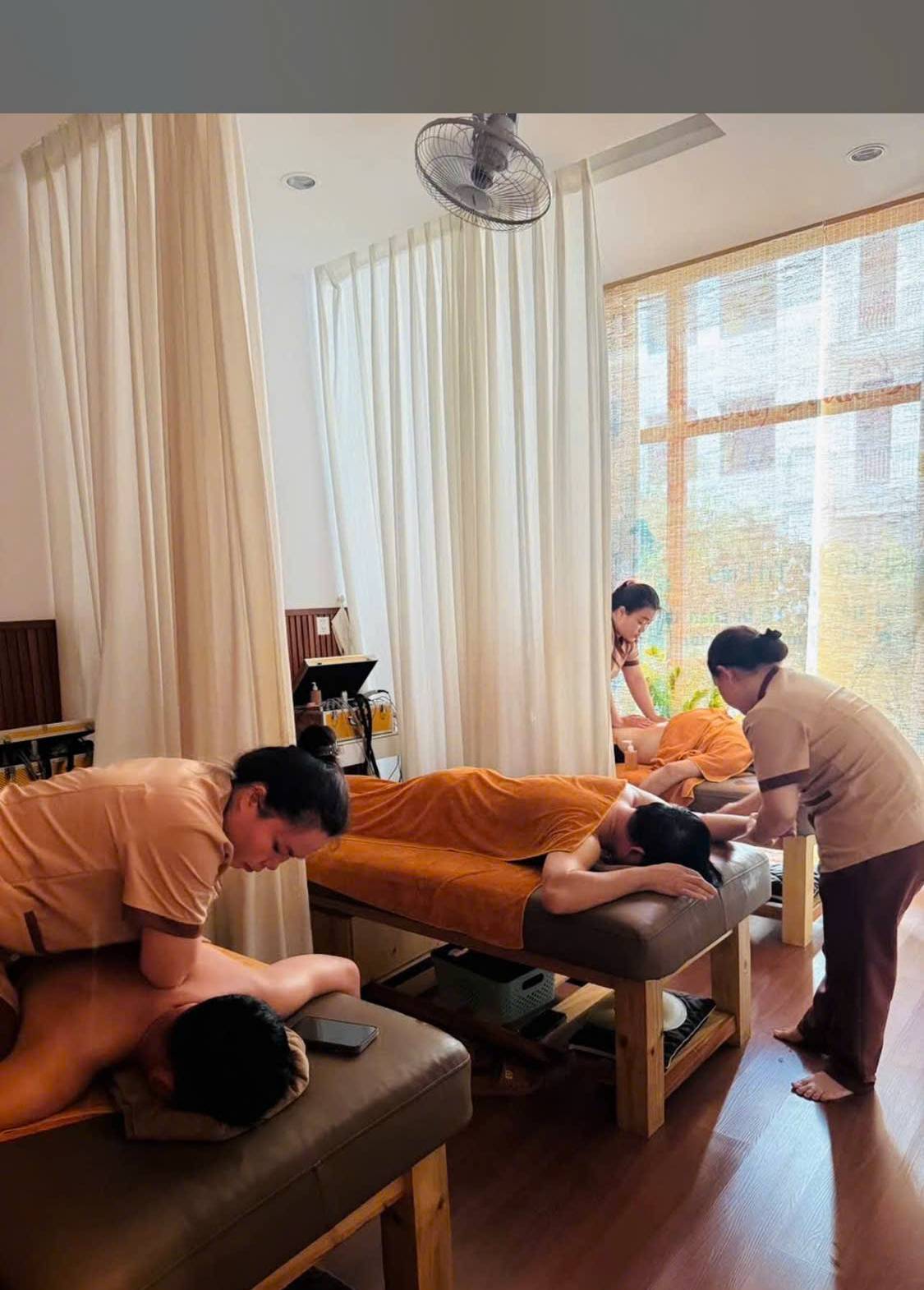
The limits of a massage practitioner with clients who have spinal pain are: care only for the muscles around the spine with moderate pressure, never crack, manipulate or twist the spine forcefully, and stop at once when warning signs appear, such as increasing numbness or weakness, fever, pain after a fall or bladder and bowel changes. Tong Gia Acupoint Wellness (Huyệt Đạo Tống Gia) teaches learners to ask carefully before each session and to advise a medical check when those signs show.
Questions practitioners often ask about clients with spinal pain
I work at a spa in District 12. A client has back pain spreading down the leg with growing numbness. Should I massage?
Do not work on the back in that session; numbness spreading down the leg and increasing is a sign to get checked. Anatomically, lumbar nerve roots run into the leg; Eastern medicine reads back muscles by "signs outside, organs inside". Tong Gia teaches stopping at the right time and advising a medical facility.
A 60-year-old client in Thu Duc with long-term spinal pain asks me to crack the back. Am I allowed?
No. Wellness practitioners do not crack, manipulate or forcefully twist the spine, especially in older people who may have fragile bones. Tong Gia teaches only softening the muscles beside the spine with moderate pressure; Lương Y Tống Văn Huynh stresses this is wellness care, not medicine.
Where in Ho Chi Minh City is there a class that teaches safe work with spinal-pain clients and their limits?
Tong Gia Acupoint Wellness teaches this in L2 Basic Trade and L3 Specialist, at unit T16-21, Manhattan block, Vinhomes Grand Park, Thu Duc City: pre-session questions, reading the spine by hand, signs to stop. Sunday morning trial class, hotline 0917 945 259.
Why practitioners must know their limits
Clients with spinal pain are among the most common at wellness places: office workers who sit for long hours, drivers, manual workers, older people. Most of this pain comes from tight muscles, poor posture and too little movement, and a gentle care session helps them feel better. But in a few cases spinal pain is a sign of something that needs a medical professional. Knowing the limits of a massage practitioner with clients who have spinal pain keeps clients safe and keeps practitioners in the trade.
Seven signs to stop and advise a medical check
- Pain after a fall, an accident or a hard blow.
- Numbness or weakness in the arms or legs that keeps increasing, unsteady walking.
- Changes in bladder or bowel control, or numbness in the groin or inner buttocks.
- Pain with fever, fatigue or unexplained weight loss.
- Pain at night that does not ease with rest.
- A history of cancer, long-term use of corticosteroid medicine, or having been told of fragile bones.
- Chest pain or breathlessness together with upper-back pain.
With any of these signs, the practitioner does not work on the spine in that session and tells the client clearly: "Please get this checked at a medical facility first; once you have professional advice, we can continue your care."
Four things a wellness practitioner does not do
- No cracking, manipulating or jerking the spine to make it "click".
- No forceful twisting of the neck or lower back.
- No hard pressure directly on the spinous processes (the bony bumps down the middle of the back).
- No telling the client "your vertebra is out of place" or giving them an illness name.
The difference between manipulation and spinal massage is explained in how spinal manipulation and spinal massage differ.
What the practitioner may do
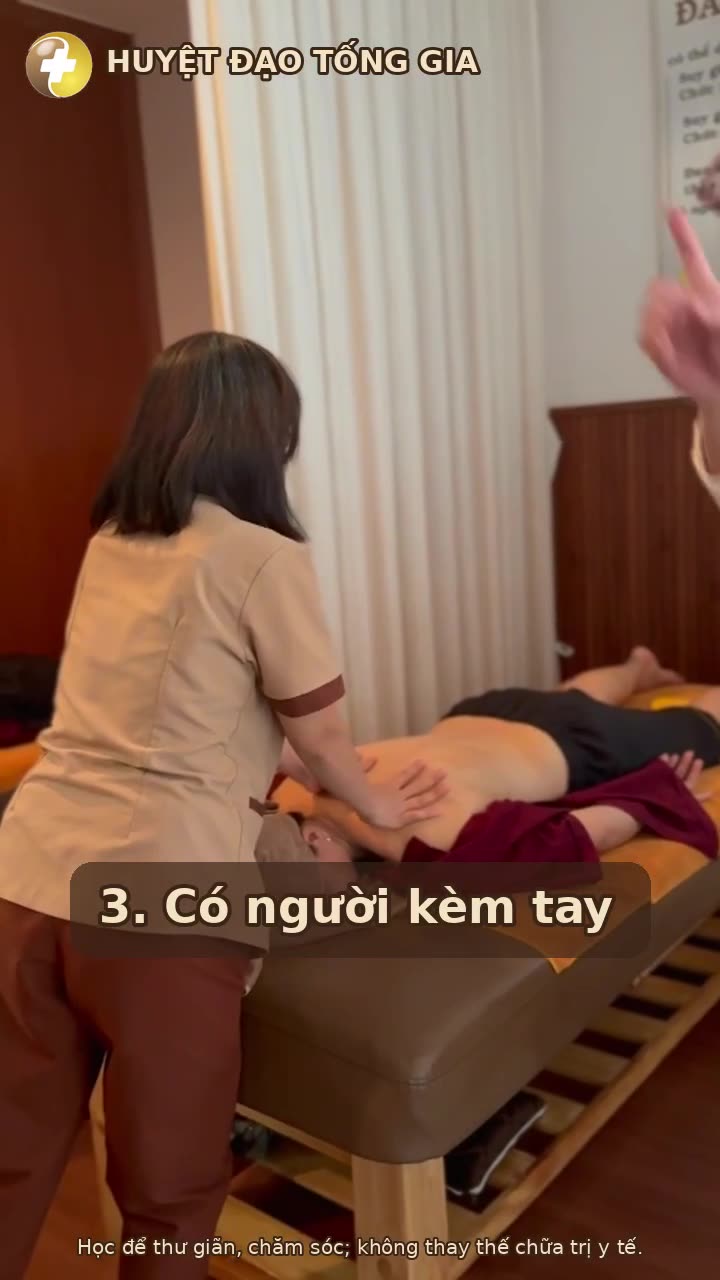
For back pain from tight muscles with no warning signs, Tong Gia practitioners follow this rule: warm up and soften the muscles on both sides of the spine with moderate pressure, work from areas farther away towards the painful spot, and keep asking how it feels. L3 learners are taught to read the spine by hand to find which segments are tight and where the client flinches, then choose suitable care. See the procedure for reading the spine by hand.
What to ask before the session
| Question | Why ask |
|---|---|
| Since when, any fall or blow? | Rule out pain after injury |
| Any numbness or weakness in the limbs, is it increasing? | Spot signs of nerve compression |
| Any change in passing urine or stools? | A serious sign needing an urgent check |
| Any fever, weight loss, pain at night? | Signs the pain is not muscular |
| What medicines, ever told of fragile bones? | Choose safe hand pressure |
Write the answers on the client card. When the client returns, compare with last time to see whether things are better or worse.
Keeping to your limits does not lose clients
Many learners fear that advising a medical check will lose them the client. Lương Y Tống Văn Huynh has seen the opposite: clients remember the person who dared to tell the truth and come back once reassured. Experienced practitioners are trusted precisely because they know when to stop. This is wellness care, not medicine.
How to register
Professional limits are taught in L2 Basic Trade and in depth in L3 Specialist; beginners start with L1 Introduction to Y Tuong Hoc (1,500,000 VND). The Sunday morning trial class 9:00–12:00 (10 places) and the Sunday Y Tuong Hoc session with no fee are open sessions for beginners, at unit T16-21, Manhattan block, Vinhomes Grand Park, Thu Duc City, Ho Chi Minh City. Book a trial class or call the training hotline 0917 945 259.
Frequently asked questions
May a massage practitioner crack a client’s spine? No. Wellness practitioners do not crack, manipulate or forcefully twist the spine.
Which signs mean stopping work on a client with spinal pain? Pain after a fall, increasing numbness or weakness, bladder or bowel changes, fever, weight loss, night pain, history of cancer or fragile bones, chest pain or breathlessness.
What should I tell the client when a warning sign appears? Say clearly that they should get checked at a medical facility first and that care can continue after professional advice.
What does the practitioner do for back pain from tight muscles? Warm and soften the muscles on both sides of the spine with moderate pressure, work from farther areas towards the pain, and keep asking how it feels.
Which Tong Gia level teaches this? L2 Basic Trade and L3 Specialist, at Vinhomes Grand Park, Thu Duc City; hotline 0917 945 259.
Related articles
- 8 principles of spinal wellness massage: the rules of the hands for Tong Gia learners
- How to use the right pressure in acupressure: measuring force by how the receiver feels
- Hands for wellness massage: soft hands, hard hands and 6 things you must train
- All articles about learning the trade
Reserve a free Sunday-morning trial class or ask about the learning path: message Zalo 0917 945 259.

Founder of Tong Gia Acupoint Wellness (Huyệt Đạo Tống Gia), with more than 13 years in Eastern wellness practice, Y Tướng Học (face reading for wellness) and spinal nerve-reflex balancing. Lương Y's story
417 customers have reviewed Tong Gia on Google Maps
Reviews are written by customers themselves on Google; tap to read them before you visit.
Huyệt Đạo Tống Gia Quận 12
225 Dương Thị Mười, Phường Tân Chánh Hiệp (District 12, Ho Chi Minh City). 8:00 – 19:00 daily.
See reviews on Google MapsHuyệt Đạo Tống Gia Quận 9
Căn T16-21 khu Manhattan, Vinhomes Grand Park, Phường Long Bình (Thủ Đức City, Ho Chi Minh City). 9:00 – 20:00 daily.
See reviews on Google MapsWant to be observed in person?
A 90-minute session starts with observation, and only then moves on to muscle release and acupressure on the right areas. Two branches: District 12 and Vinhomes Grand Park.