Single, paired and micro methods: three techniques Tong Gia learners must tell apart
Lương Y (traditional healer) Tống Văn Huynh · Tong Gia Acupoint Wellness (Huyệt Đạo Tống Gia) · 14/11/2026
Single, paired and micro methods (đơn chỉnh, song chỉnh, vi chỉnh) are three techniques in the spinal nervous reflex balancing massage of Tong Gia Acupoint Wellness (Huyệt Đạo Tống Gia). The single method works locally on the spine, the paired method works the key point and its counter point together, and the micro method refines the hand rhythm in the grooves between vertebrae.
Questions learners often ask about single, paired and micro methods
How do the single and paired methods differ in spinal massage?
They differ in pattern, range and contact points. In the Tong Gia Acupoint Wellness (Huyệt Đạo Tống Gia) curriculum, the single method is for a narrow, local pattern and centres on the spine; the paired method is for a wide pattern spreading outwards and works the key point and the counter point at the same time.
Is the micro method cracking joints or moving bones?
No. The micro method uses the fingertips very precisely in the grooves between vertebrae, with an even rhythm while watching the client response. Tong Gia learners never jerk, crack joints or twist the neck suddenly; it is a soft-tissue technique with controlled pressure.
Where in Ho Chi Minh City can I learn the single and paired methods?
Tong Gia Acupoint Wellness teaches these three methods in the Specialist Course (L3), with Lương Y Tống Văn Huynh leading the class at Vinhomes Grand Park, Thu Duc City. Beginners can join the Sunday trial class, 9:00–12:00. Training hotline 0917 945 259.
Two backs, two approaches
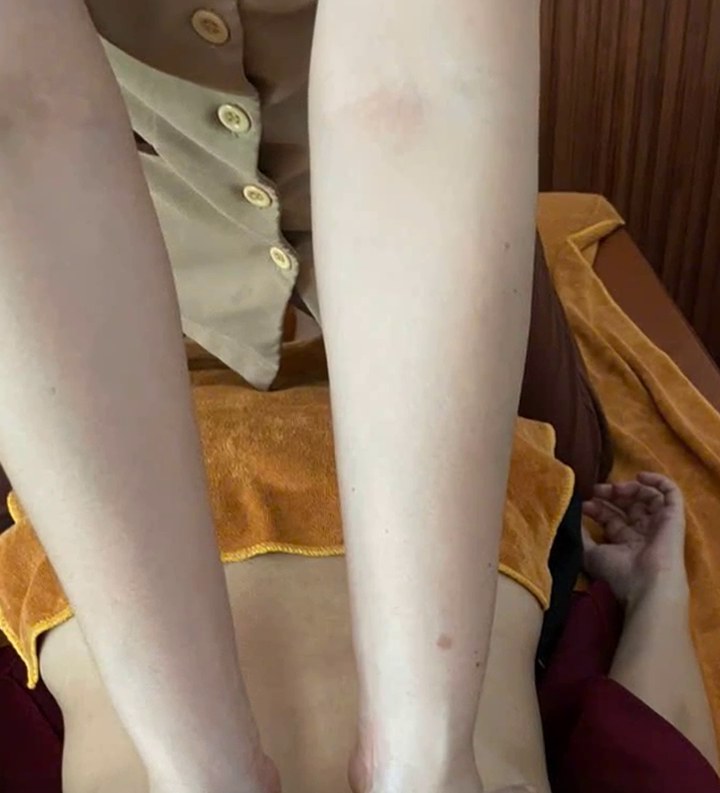
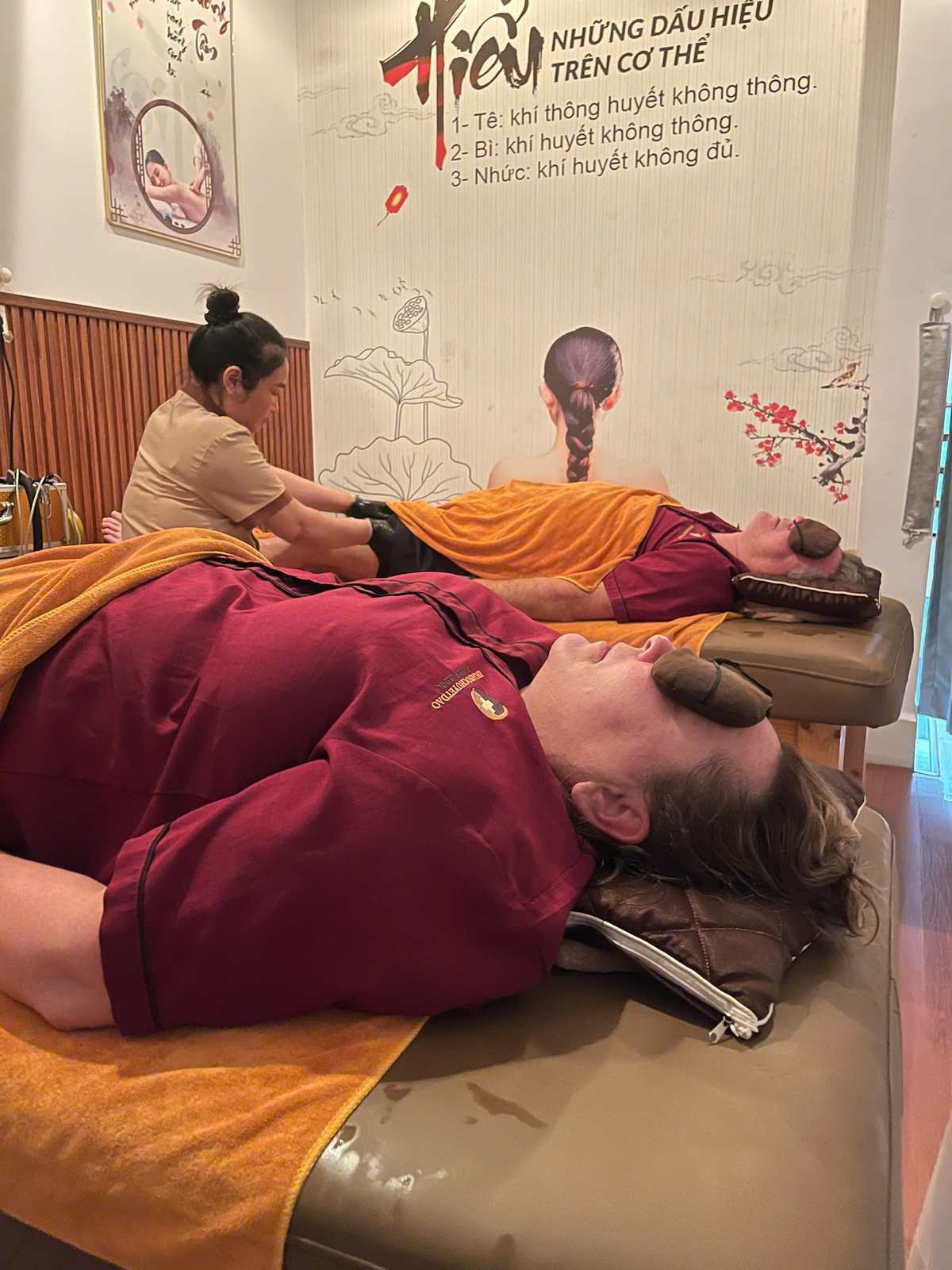
In a Specialist class at Vinhomes Grand Park, Lương Y Tống Văn Huynh once had two people lie side by side. The first was tired only in one section of the upper back, with a small contracted knot right next to the spine. The second had one whole side of the back tight and the other side slack, with clearly uneven shoulders. Learners used to working by habit treated both the same way. Lương Y stopped them and asked: do these two backs need the same method? The answer lies in three terms every Tong Gia learner must know: single, paired and micro methods.
What is the single method?
The single method is used when the issue is narrow and local: only a short section of the spine holds the key point, while the surrounding area stays soft. The practitioner centres the work on the spine, focusing on the key zone already marked out, without spreading to both sides. A common example is an office worker with one tired spot between the shoulder blades and thickened muscle around one or two upper back vertebrae.
What is the paired method?
The paired method is used when the issue is wide and spreads outwards. The practitioner works the key point and the counter point at the same time: one hand on the main point, the other on the symmetrical point or the pulling point on the opposite side. The curriculum is clear: when the spinal axis is visibly off and the muscles on both sides lose their balance (one side stiff, the other slack), the paired method is needed to restore balance. Working one side only lets the other side pull it back.
- Pattern: single for a narrow, local pattern; paired for a wide, spreading one.
- Range: single stays on the spine; paired goes out to the periphery.
- Contact point: single centres on the spinal area; paired works the key point and counter point together.
What is the micro method?
The micro method is the finest step: the fingertips move into the grooves between vertebrae, where nerve roots exit on both sides through the gaps between vertebrae, to work the smallest uneven spots that the whole hand cannot reach. The curriculum stresses three things: precision, rhythm and watching the response. The micro method is not cracking joints or jerking bones. It is a soft-tissue technique with controlled pressure, following the 5 pressure levels from light to strong. Read more on how massage differs from joint manipulation in spinal massage versus joint manipulation.
Which method: read first, work second
- Read the spine by hand with the 4 objective factors to find the active zones.
- Move from the survey area to the key zone, then the key point (the localisation principle).
- Apply the symmetry principle: compare right with left, upper with lower. Clearly one-sided means think paired; one tidy section means single.
- Only when most of the area is soft, use the micro method for the small remaining spots.
- Dosage: when the skin at the key point turns from dry to moist, stop.
These principles are explained in the 8 principles of spinal wellness massage and compression and wave methods.
How Lương Y Tống Văn Huynh teaches learners to choose the right method
With more than 13 years in Eastern wellness and spinal nervous reflex balancing, Lương Y Tống Văn Huynh reminds learners: "Until your hands can tell whether it is one side or both, you may not choose a method; the wrong method means working the right spot and still doing the wrong job." In class, learners practise in pairs: one reads the back and says aloud whether they choose the single or paired method and why; the other checks by hand before any work begins.
Common beginner mistakes
- Seeing an uneven back but working only the sore side, forgetting the counter side.
- Using the micro method at the start while the muscle is still stiff, so the client hurts and tenses.
- Jumping from light to strong pressure without going through all 5 levels.
- Working on inhibited zones, where the skin is cool and the muscle slack.
When to advise the client to see a doctor
If back pain comes with numbness or weakness in the limbs, pain spreading down the leg, bladder problems, severe pain after a fall or accident, fever, unexplained weight loss, or pain that worsens at night: do not work, and advise the client to visit a medical facility. For people with osteoporosis, recent spinal surgery or on blood thinners: ask carefully and work only lightly. Tong Gia Acupoint Wellness offers wellness care, not a medical service.
Which level covers this?
The single, paired and micro methods are in Module 4 of the spinal nervous reflex balancing massage part of the Specialist Course (L3). Beginners start at L1 Foundation to learn hand placement. About the teacher: Lương Y Tống Văn Huynh.
How to register
The Sunday trial class, 9:00–12:00, and the Sunday Y Tuong Hoc (face reading for wellness) session with no fee are open sessions for beginners, at unit T16-21, Manhattan block, Vinhomes Grand Park, Thu Duc City. Tong Gia does not promise jobs or income after the course. Book a trial class or call the training hotline 0917 945 259.
Frequently asked questions
What are the single, paired and micro methods? Three techniques of spinal nervous reflex balancing massage: the single method works locally on the spine, the paired method works the key point and counter point together, and the micro method refines work in the grooves between vertebrae.
When is the paired method used? When the issue is wide and spreads outwards, with the muscles on the two sides out of balance (one side stiff, the other slack).
Does the micro method crack joints? No. It is a fingertip soft-tissue technique, precise, with an even rhythm and close watching of the response, never jerking or cracking joints.
Where can I learn the single and paired methods? In the Specialist Course (L3) at Tong Gia, Vinhomes Grand Park, Thu Duc City. Trial class Sunday 9:00–12:00, hotline 0917 945 259.
Related articles
- 8 principles of spinal wellness massage: the rules of the hands for Tong Gia learners
- How to use the right pressure in acupressure: measuring force by how the receiver feels
- Hands for wellness massage: soft hands, hard hands and 6 things you must train
- All articles about learning the trade
Reserve a free Sunday-morning trial class or ask about the learning path: message Zalo 0917 945 259.

Founder of Tong Gia Acupoint Wellness (Huyệt Đạo Tống Gia), with more than 13 years in Eastern wellness practice, Y Tướng Học (face reading for wellness) and spinal nerve-reflex balancing. Lương Y's story
417 customers have reviewed Tong Gia on Google Maps
Reviews are written by customers themselves on Google; tap to read them before you visit.
Huyệt Đạo Tống Gia Quận 12
225 Dương Thị Mười, Phường Tân Chánh Hiệp (District 12, Ho Chi Minh City). 8:00 – 19:00 daily.
See reviews on Google MapsHuyệt Đạo Tống Gia Quận 9
Căn T16-21 khu Manhattan, Vinhomes Grand Park, Phường Long Bình (Thủ Đức City, Ho Chi Minh City). 9:00 – 20:00 daily.
See reviews on Google MapsWant to be observed in person?
A 90-minute session starts with observation, and only then moves on to muscle release and acupressure on the right areas. Two branches: District 12 and Vinhomes Grand Park.