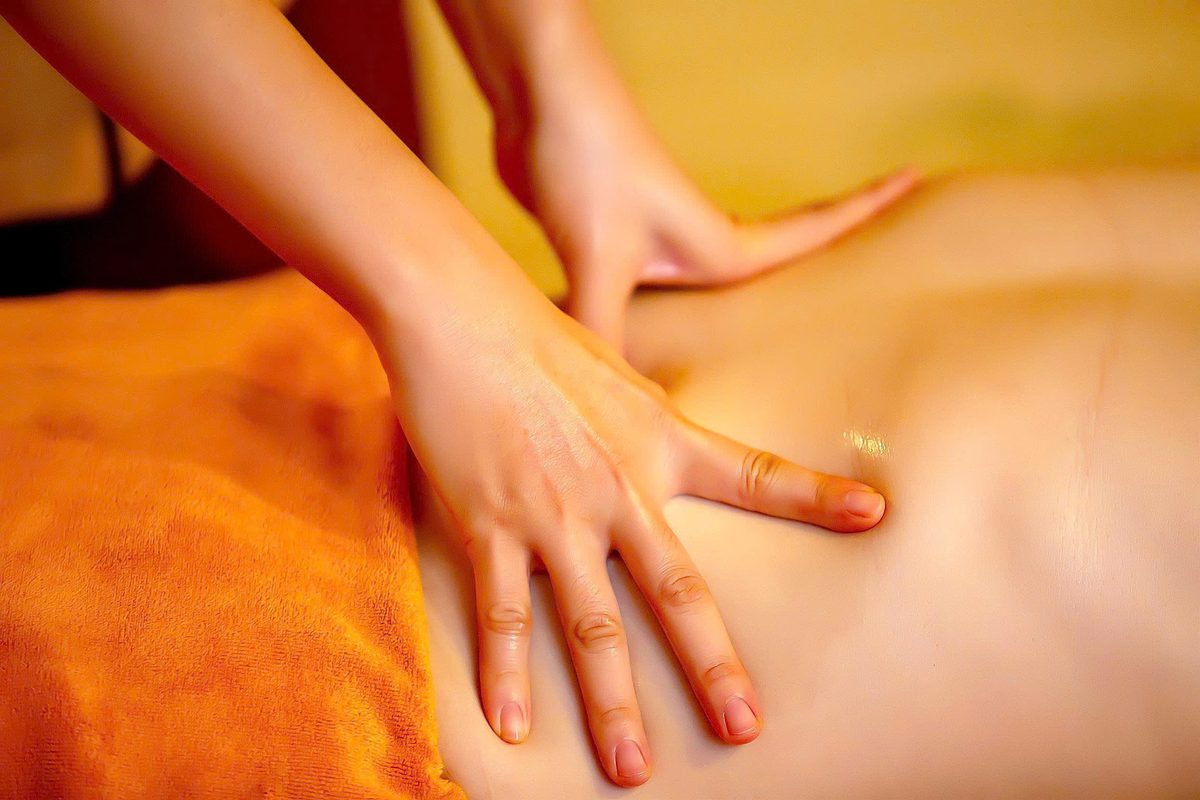
Which spinal area relates to the reproductive–urinary group: from the lower back to the sacrum
Lương Y (traditional healer) Tống Văn Huynh · Tong Gia Acupoint Wellness (Huyệt Đạo Tống Gia) · 15/11/2026
Which spinal area relates to the reproductive–urinary group? According to the curriculum, learners read the lumbar area L1–L5 and the sacrococcygeal area S1–S5, where nerve roots supply the kidneys, urinary tract, reproductive organs and legs. Tong Gia Acupoint Wellness (Huyệt Đạo Tống Gia) teaches working in order, gently and warmly, never as a substitute for a medical check.
Questions learners often ask about the reproductive–urinary group
Which spinal areas relate to the reproductive–urinary group?
The lumbar L1–L5 area supplies the lower digestive tract, kidneys, urinary tract, reproductive organs and legs; the sacral S1–S5 area and coccyx supply elimination, the anus and lower reproductive organs. Tong Gia Acupoint Wellness (Huyệt Đạo Tống Gia) teaches reading both areas in the organ-group application lesson of the Specialist Course.
Can lower-back massage dissolve kidney stones?
No. The Tong Gia curriculum states clearly that massage does not dissolve stones; a suspected stone needs a urology check. Massage only helps relaxation and circulation in the back.
Where can I study the organ-group applications?
At Tong Gia Acupoint Wellness, Vinhomes Grand Park, Thu Duc City, in the Specialist Course (L3) taught by Lương Y Tống Văn Huynh. Sunday morning trial class, 9:00–12:00; training hotline 0917 945 259.
A question from week three
When the class moves to the group applications, learners often ask: which spinal area relates to the reproductive–urinary group, and is it enough to knead the lower back for a long time? This article answers according to the Tong Gia Specialist curriculum: which area, why, how to read it by hand, in what order to work, and the safety limits learners must know by heart.
Why the lower back and the sacrum?
The spinal cord lies in the spinal canal; nerve roots leave on both sides through the gaps between vertebrae. The supply table in the curriculum is clear:
- Neck C1–C7: head, face, neck, arms.
- Back D1–D12: circulation, breathing, digestion.
- Lumbar L1–L5: digestion, kidneys, urinary tract, reproductive organs, legs.
- Sacrum S1–S5 and coccyx: elimination, anus, lower reproductive organs.
So for the reproductive–urinary group, learners focus on reading from L1 down through the sacrococcygeal area. Eastern medicine also links the lower back with the Kidney: "the lower back is the house of the Kidney".
How do you read this area by hand?
Before working, the hands read the four objective factors:
- Skin temperature: warmer than normal means excited, cooler means inhibited. The lower lumbar area is often hollow and cool.
- Muscle layer: knotted, hard, slack muscle or fibrous bands on the spinous processes.
- Vertebral shape: raised, raised-shifted, shifted, sunken-shifted, sunken.
- Sensation: points of pain, numbness or sharpness when probed.
The working order is feel by hand, locate the area and point, then choose the technique. Excited areas are addressed directly; inhibited areas are not worked on directly but warmed and opened from around them. Read more: excited and inhibited areas on the back.
Points learners often meet here
Mệnh môn lies in the hollow below the L2 spinous process; Thận du lies about 1.5 cun to each side of L2. Lower down are the sacral foramina, where Eastern medicine places the Bát liêu group of points. In traditional theory, points regulate the meridians and organs; they do not act directly on kidney tissue or reproductive organs. See also points that nourish the Kidney.
In what order?
Learners work from top to bottom: relax the whole back, re-read the lumbar area, release tight muscles on both sides of the spine, warm the cool hollows with slow stroking, and only then work the sacrococcygeal area with light pressure. Finish by keeping the lower back warm and guiding the client to drink warm water, not hold urine and move regularly.
Safety limits learners must know
- Ask about pregnancy before every session; if pregnant, no strong work on the lumbar–sacral area and no Hợp cốc or Tam âm giao.
- Blood in the urine, fever with flank pain, colicky pain, or prolonged burning urination: stop and advise a medical check.
- Never say "massage helps the kidneys detox" or "dissolves stones"; massage only helps relaxation and circulation in the back.
- Never say "your back pain is due to weak kidneys"; back pain has many causes.
Lương Y Tống Văn Huynh on working the lower back
With more than 13 years in Eastern wellness, Y Tuong Hoc and spinal nervous reflex balancing massage, Lương Y Tống Văn Huynh tells learners: "The lower back is the foundation of the house; we repair the foundation with warmth and patience, not with a hard push."
Which level covers this?
The organ group application lesson (metabolism, reproductive–urinary) is part of the spinal nervous reflex balancing massage section of the Specialist Course (L3).
How to register
The Sunday morning trial class, 9:00–12:00, and the Sunday Y Tuong Hoc session with no fee are open sessions for beginners, at unit T16-21, Manhattan block, Vinhomes Grand Park, Thu Duc City. Book a trial class or call the training hotline 0917 945 259.
Frequently asked questions
Which spinal area relates to the reproductive–urinary group? The lumbar area L1–L5 and the sacrococcygeal area S1–S5, where nerve roots supply the kidneys, urinary tract, reproductive organs, elimination and legs.
Which lower-back points are commonly used? Mệnh môn below the L2 spinous process, Thận du about 1.5 cun to each side of L2, and the Bát liêu group in the sacral foramina.
When must the learner stop and advise a medical check? When the client has blood in the urine, fever with flank pain, colicky pain, prolonged burning urination, or a suspected stone.
Where is this taught? In the Specialist Course (L3) at Tong Gia Acupoint Wellness, Vinhomes Grand Park, Thu Duc City. Hotline 0917 945 259.
Related articles
- Recognising shifted vertebrae in office workers by hand: read the back before you work
- The 12 main meridians: names, pathway rules and peak hours, an easy table for vocational learners
- The 3 "no"s of the Tong Gia spinal balancing method: no needles, no medicine, no rough force
- Face reading for health: the 3 facial zones in Y Tướng Học, how to divide them and how to read them to care for the body properly
- All articles about learning the trade
Reserve a free Sunday-morning trial class or ask about the learning path: message Zalo 0917 945 259.

Founder of Tong Gia Acupoint Wellness (Huyệt Đạo Tống Gia), with more than 13 years in Eastern wellness practice, Y Tướng Học (face reading for wellness) and spinal nerve-reflex balancing. Lương Y's story
417 customers have reviewed Tong Gia on Google Maps
Reviews are written by customers themselves on Google; tap to read them before you visit.
Huyệt Đạo Tống Gia Quận 12
225 Dương Thị Mười, Phường Tân Chánh Hiệp (District 12, Ho Chi Minh City). 8:00 – 19:00 daily.
See reviews on Google MapsHuyệt Đạo Tống Gia Quận 9
Căn T16-21 khu Manhattan, Vinhomes Grand Park, Phường Long Bình (Thủ Đức City, Ho Chi Minh City). 9:00 – 20:00 daily.
See reviews on Google MapsWant to be observed in person?
A 90-minute session starts with observation, and only then moves on to muscle release and acupressure on the right areas. Two branches: District 12 and Vinhomes Grand Park.