Deficiency and excess body types for massage learners: the same tired spot, two people, two kinds of hands
Lương Y (traditional healer) Tống Văn Huynh · Tong Gia Acupoint Wellness (Huyệt Đạo Tống Gia) · 22/11/2026
Deficiency and excess (hư and thực) are two ways Eastern medicine describes the body's state: deficiency means lacking, a weak, tired person with soft, slack muscles who feels the cold; excess means surplus or stagnation, a tense person with hard muscles and a hot temper. Massage learners at Tong Gia Acupoint Wellness (Huyệt Đạo Tống Gia) need this to choose pressure: light, slow, short and warm for deficiency; deeper, rhythmic and thorough muscle release for excess, and no one may use the idea to name an illness.
Questions learners often ask about deficiency and excess body types
Can the complexion really show whether someone is a deficiency or excess type, on what Eastern-medicine basis, and how is that different from fortune-telling?
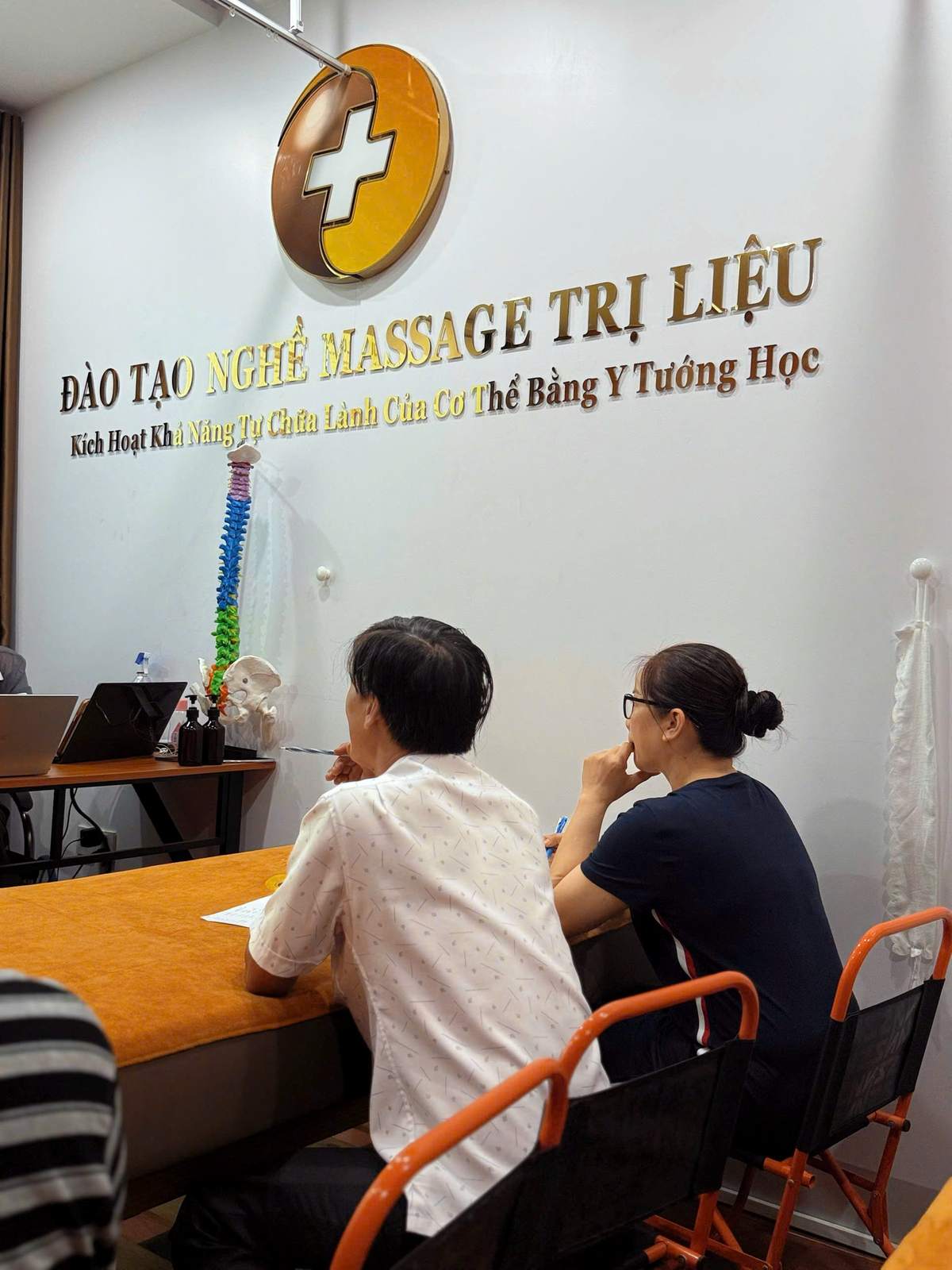
Complexion is only a hint and must be checked by hand. Eastern medicine uses looking, listening, asking and touching; anatomically, slack or contracted muscle is easy to feel. "Signs outside, organs inside", with no fortune-telling. This is wellness care, not naming illness. Tong Gia teaches at unit T16-21, Vinhomes Grand Park, Thu Duc City.
I am new to massage in District 12. How do I recognise a deficiency-type client so I do not overdo it?
Ask if they tire easily, feel cold, eat poorly; look for a pale face and soft voice; feel for soft muscle that welcomes pressure. Work light, short and warm. Long-lasting fatigue, weight loss or underlying conditions need a medical check. Lương Y Tống Văn Huynh teaches this in L1; Zalo 0917 945 259.
At which level in Ho Chi Minh City do beginners learn deficiency, excess, yin-yang and hot-cold, and is Eastern medicine needed first?
No prior Eastern medicine is needed. At Tong Gia Acupoint Wellness, deficiency-excess and hot-cold are taught from L1 Introduction to Y Tuong Hoc (1,500,000 VND) with paired practice, then used to choose pressure in L2. Sunday morning trial at Vinhomes Grand Park, Thu Duc City.
What deficiency and excess are
In Eastern medicine, deficiency and excess are one pair of the eight principles (yin-yang, exterior-interior, cold-heat, deficiency-excess). "Deficiency" means the body's upright qi is lacking: not enough strength, a tired, weak person. "Excess" means a surplus of pathogenic influence or stagnation: qi and blood bunched up, a tense, stiff person. It is how the ancients described a state, not the name of a disease.
For massage learners, deficiency and excess are not exam theory. They answer the most practical question of the trade: does this person need light hands or deep hands?
How to recognise each type
| Sign | Leaning deficiency | Leaning excess |
|---|---|---|
| Complexion | pale, dull, lacking lustre | red, dark, tense |
| Voice and breath | quiet, short, reluctant to talk | loud, strong, fast speech |
| Muscle under the hand | soft, slack, pressure feels pleasant | hard, corded, pressure feels sore and unpleasant |
| Habits | feels cold, tires easily, eats poorly | feels hot inside, irritable, sleeps poorly from tension |
One person can be both: an older person with weak upright qi but a neck and shoulders stiff from sitting. So learners do not label clients; they note a tendency and adjust their hands to the client's response during the session.
Choosing pressure by type
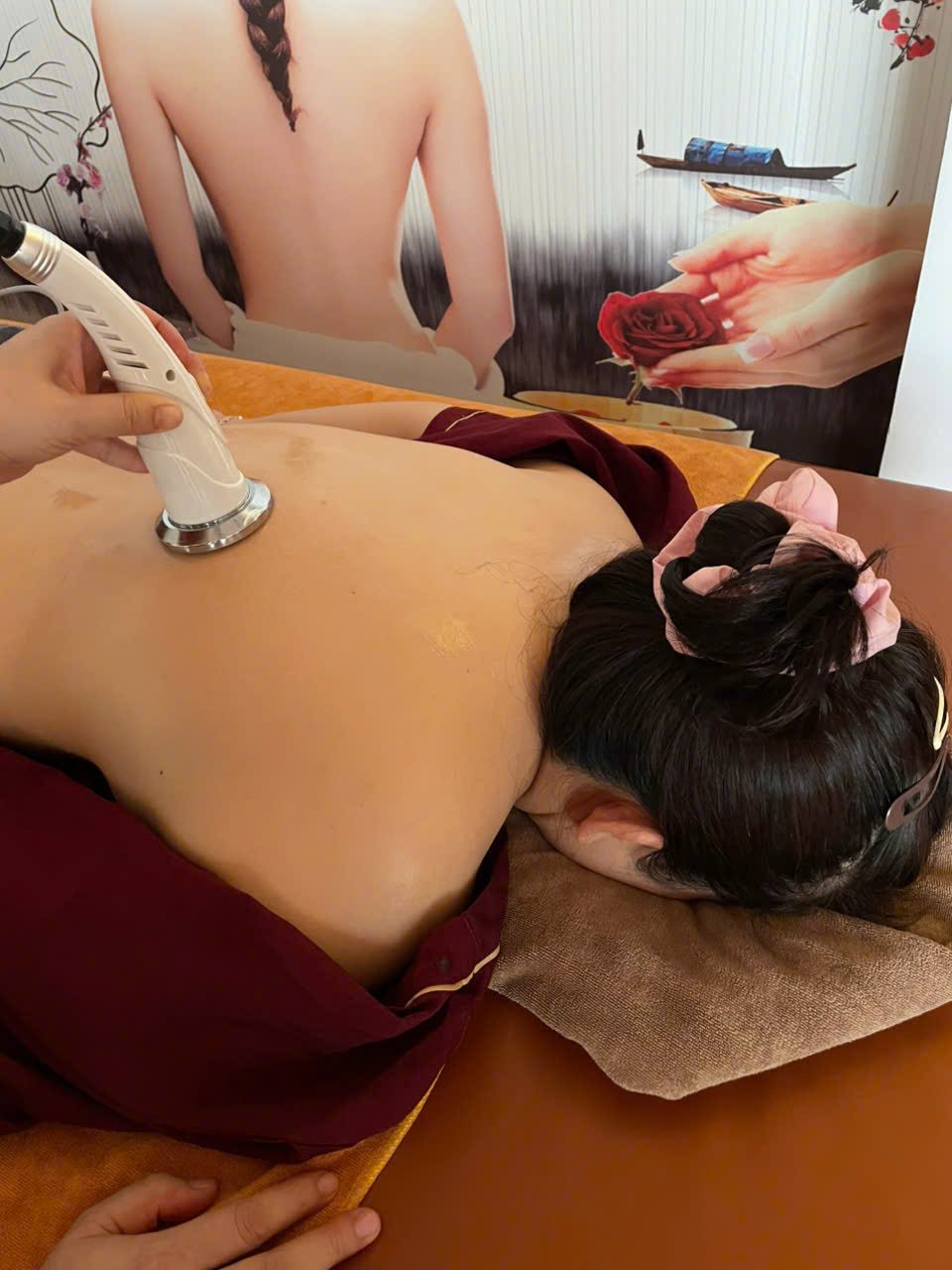
- Leaning deficiency: light to medium pressure, stroking, kneading and gliding; shorter time; keep the back, abdomen and feet warm; avoid strong patting or pounding. Afterwards the client should feel warm and light, not more tired.
- Leaning excess: more thorough release of hard muscle, slow deep pressing with pauses, rolling and squeezing; increase pressure gradually. Afterwards the client should feel open and light, without bruising.
The Eastern-medicine principle "tonify deficiency, drain excess", applied to wellness massage, simply means: support the weak, open up the tense. For specific techniques see the 30 basic massage techniques.
An example from class
Two clients both have tired necks and shoulders. The first, a woman with a pale face, cold hands and soft shoulder muscles: the learner works lightly, warms with stroking and kneads shoulder points briefly. The second, a man with a red face, loud voice and trapezius hard as a cord: the learner releases deeply and slowly with pauses. Done the other way round, the first leaves exhausted and the second feels it "didn't reach". That is why one fixed routine is not enough for everyone.
Lines the learner must hold
Deficiency and excess are wellness concepts for choosing how to care, not for naming disease. Clients with lasting fatigue, unexplained weight loss, breathlessness, lasting pain, growing numbness or weakness, or unstable underlying conditions should be advised to see a medical facility. Tong Gia Acupoint Wellness is a wellness care service, not a medical service.
Linking to Y Tuong Hoc and the spine
In the Tong Gia curriculum, complexion, voice and body shape are the "reading the signs" part, giving a hypothesis of deficiency or excess. The hand on the spine, feeling both sides of the back muscles, is the confirmation. "Signs outside, organs inside": read the outside to understand the inside, but always check by hand. For yin-yang basics see yin-yang and the five elements for learners; for an example of Spleen deficiency see Spleen deficiency with dampness.
Which level
Deficiency-excess, cold-heat and yin-yang are taught from L1 Introduction to Y Tuong Hoc (1,500,000 VND), with paired practice in looking and touching. In L2 Basic Trade, learners use them to choose pressure in the 90-minute session. Lương Y Tống Văn Huynh (over 13 years in the profession) guides each person.
How to register
The Sunday morning trial class 9:00–12:00 (10 places) and the Sunday Y Tuong Hoc session with no fee are open sessions for beginners, at unit T16-21, Manhattan block, Vinhomes Grand Park, Thu Duc City, Ho Chi Minh City. Book a trial class or call the training hotline 0917 945 259.
Frequently asked questions
What is a deficiency body type? In Eastern medicine, a state of lacking upright qi: tired, weak, feels the cold, soft muscles that welcome pressure.
What is an excess body type? A state of stagnation or surplus: tense, hot-tempered, hard muscles that feel sore under pressure.
How should a deficiency-type person be massaged? Light to medium pressure, stroking, kneading, gliding, shorter time, kept warm, no strong patting or pounding.
Can one person be both deficient and excess? Yes, for example an older person with weak qi but a stiff neck; learners adjust by area and by the client's response.
At which Tong Gia level is deficiency-excess taught? From L1 Introduction to Y Tuong Hoc at 1,500,000 VND, then applied to pressure choice in L2 Basic Trade.
Related articles
- The 12 main meridians: names, pathway rules and peak hours, an easy table for vocational learners
- Face reading for health: the 3 facial zones in Y Tướng Học, how to divide them and how to read them to care for the body properly
- What are the 8 extraordinary vessels: roles, main pathways and how wellness learners use them
- Yin-Yang and the Five Elements for wellness learners: enough to make the hands work right
- All articles about learning the trade
Reserve a free Sunday-morning trial class or ask about the learning path: message Zalo 0917 945 259.

Founder of Tong Gia Acupoint Wellness (Huyệt Đạo Tống Gia), with more than 13 years in Eastern wellness practice, Y Tướng Học (face reading for wellness) and spinal nerve-reflex balancing. Lương Y's story
417 customers have reviewed Tong Gia on Google Maps
Reviews are written by customers themselves on Google; tap to read them before you visit.
Huyệt Đạo Tống Gia Quận 12
225 Dương Thị Mười, Phường Tân Chánh Hiệp (District 12, Ho Chi Minh City). 8:00 – 19:00 daily.
See reviews on Google MapsHuyệt Đạo Tống Gia Quận 9
Căn T16-21 khu Manhattan, Vinhomes Grand Park, Phường Long Bình (Thủ Đức City, Ho Chi Minh City). 9:00 – 20:00 daily.
See reviews on Google MapsWant to be observed in person?
A 90-minute session starts with observation, and only then moves on to muscle release and acupressure on the right areas. Two branches: District 12 and Vinhomes Grand Park.