Heart houses the Shen (Tâm tàng thần) meaning: a five-organ wellness lesson for people who work in bodycare
Lương Y (traditional healer) Tống Văn Huynh · Tong Gia Acupoint Wellness (Huyệt Đạo Tống Gia) · 09/11/2026
What does “the Heart houses the Shen” mean? In Eastern medicine, the Heart keeps the “Shen”: the mental clarity that shows in the eyes, complexion and speech. Learners at Tong Gia observe a client’s Shen before laying hands on them, following the Y Tướng Học idea “the signs show outside, the organs lie inside”: care comes before signs appear.
After a few years in the trade, have you ever had a client whose back softens as soon as they lie down, yet at the end of the session still says “I feel kind of tired inside”? Often that tiredness is not in the muscles. Eastern medicine calls it a matter of the Shen, and the Shen is kept by the Heart.
What does “the Heart houses the Shen” mean in Eastern medicine?
“Tàng” means to store. Eastern medicine texts say each organ keeps one part of the spirit: the Liver houses the Hun, the Lungs house the Po, the Spleen houses the Yi, the Kidneys house the Zhi, and the Heart houses the Shen. Among the five organs, the Heart is likened to the emperor, so the Heart’s Shen is the overall command: alertness, thinking, sleep and emotions.
This saying goes together with the idea that the Heart governs blood and vessels: when blood is ample and flows evenly, the Shen has something to rest on. That is why the ancients liked to say “blood is the home of the Shen”. When someone sleeps poorly for a long time and worries a lot, blood is depleted and the Shen scatters too; the person feels restless and finds it hard to concentrate.
What are you seeing in your client?
The Shen is not measured by a machine, but seen through the eyes of the practitioner. Y Tướng Học (face reading for wellness) calls this looking at “spirit, complexion and form”. The three easiest things to observe:
- The eyes: with Shen, the eyes are bright, look straight at you and move freely. Lacking Shen, the eyes are cloudy, stare blankly or tend to look away.
- The complexion: the Heart opens into the tongue and shows on the complexion. A rosy, moist face with a glow is good; a grey or pale face with no glow suggests the person needs rest and care.
- The speech: clear and coherent, or quiet, broken and repetitive.
These are only observation hints, not conclusions about health. A practitioner does not pronounce on illnesses or say things that make the client anxious.
Why do massage practitioners need to understand that the Heart houses the Shen?
In Tong Gia’s 6-step process (face reading, asking, reading the spine by hand, choosing the area, working, aftercare advice), the face-reading step helps choose the rhythm and pressure. A client with weak Shen and tired eyes: the session should be slow and light, with plenty of stroking and keeping warm and few strong techniques. A client whose Shen is still good but whose back is stiff and tight: you can focus on deeper muscle release in the back.
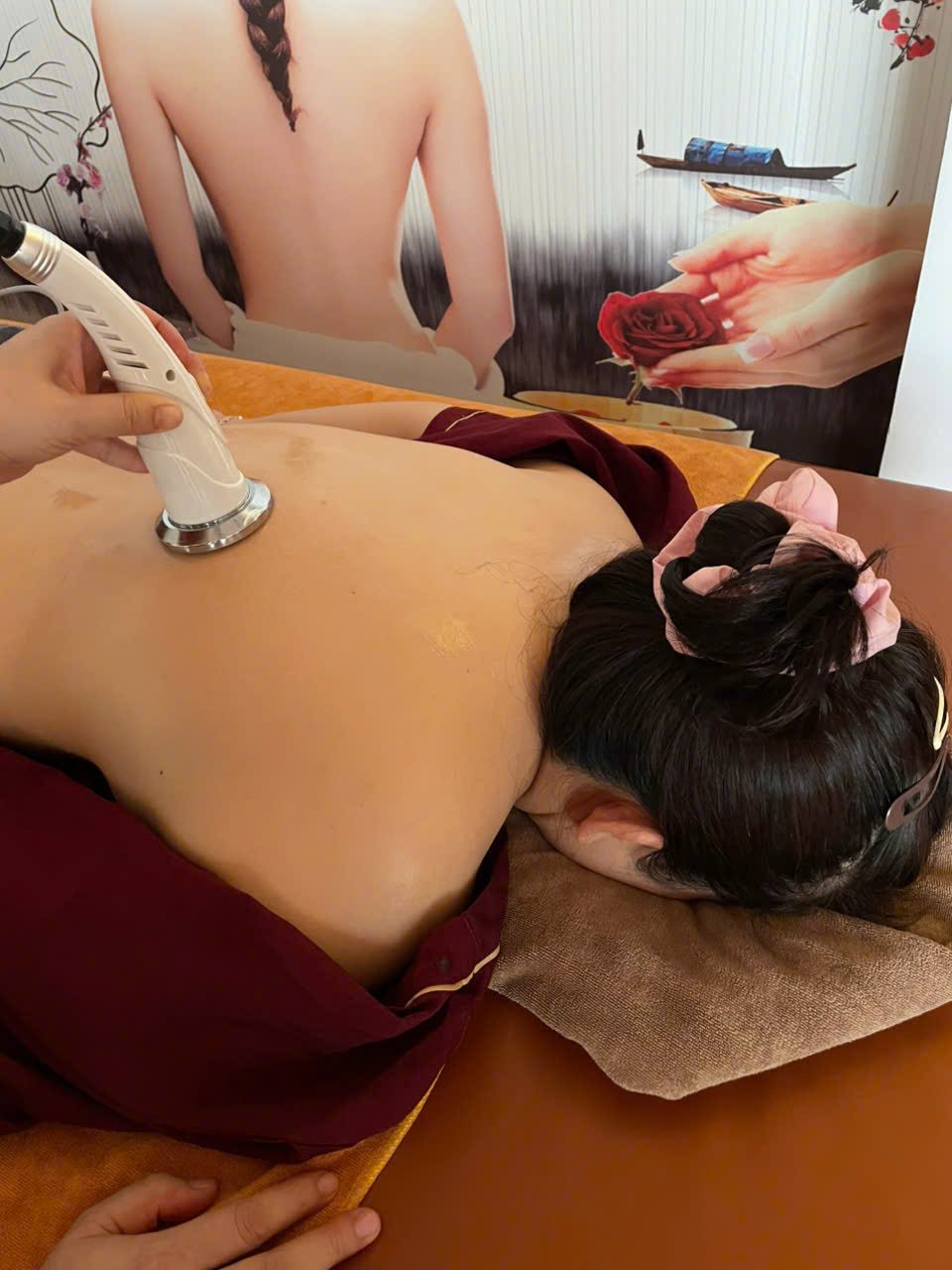
After that, every impression from the face is checked again by hand on the spine, following the spinal nerve-reflex balancing massage method. The upper back, around the thoracic vertebrae, is usually read carefully by learners when the client often feels jittery or sleeps poorly. These two pillars go together: look to know what to ask, touch to know what to do.
Try it now: a 1-minute Shen observation
- Before inviting the client to lie down, chat for 30 seconds and look into their eyes as they answer.
- Write 3 words in your notebook: eyes (bright/cloudy), complexion (rosy/pale/grey), speech (clear/quiet).
- Look once more at the end of the session. If the eyes are brighter and the voice clearer, the session had the right rhythm.
Do this consistently with 20 clients and you will find your eyes “read” clients much faster.
Remember: when should you advise a client to see a doctor?
Long-lasting palpitations or a racing heart, chest pain, weeks of poor sleep, sadness that will not lift, forgetfulness that keeps getting worse: this is not the job of a massage practitioner. Gently advise the client to see a doctor at a medical facility. Tong Gia is hands-on wellness care, not a medical service.
Where can you learn this?
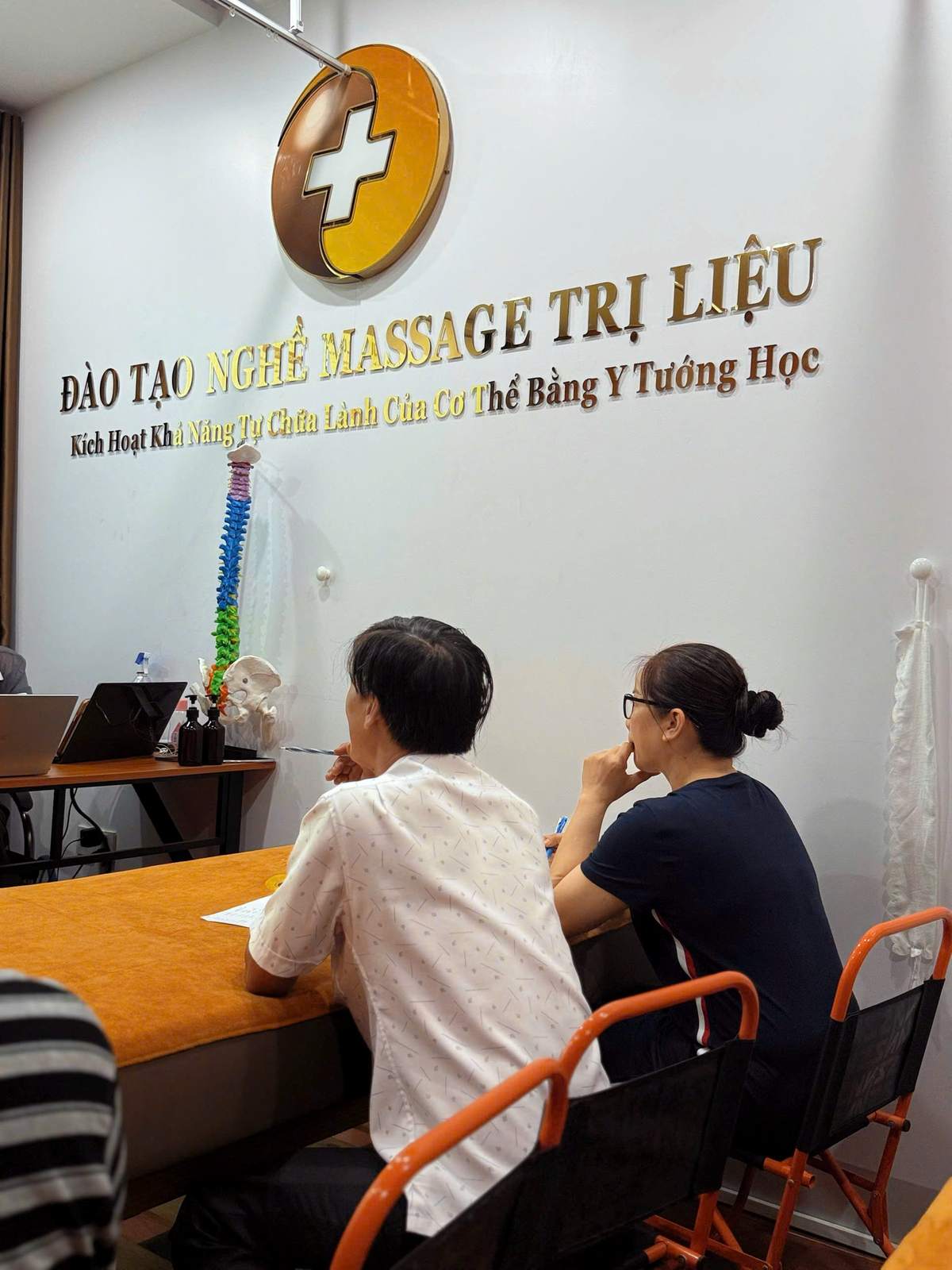
“The Heart houses the Shen” is one lesson in the Five-Organ Wellness part (CG1) of the Expert Course at Tong Gia, together with how emotions affect the five organs. Lương Y Tống Văn Huynh teaches the class: theory in the morning, hands-on practice on real people in the afternoon. See the course content on the five-organ wellness page. Tuition is quoted by a consultant when you register.
How to register
The trial class every Sunday morning, 9:00–12:00, and the free Sunday Y Tướng Học session are the open sessions for newcomers, at unit T16-21, Manhattan zone, Vinhomes Grand Park, TP. Thủ Đức (Thủ Đức City, Ho Chi Minh City). Register for a trial class or call the training hotline 0917 945 259.
Frequently asked questions
What does “the Heart houses the Shen” mean? In Eastern medicine, the Heart is where the Shen is kept: the spirit, clarity of mind and vitality that show on the outside through the eyes, complexion and speech.
What does each of the five organs keep in Eastern medicine? The Liver houses the Hun, the Heart houses the Shen, the Spleen houses the Yi, the Lungs house the Po, the Kidneys house the Zhi.
How do you observe a person’s Shen? Notice whether the eyes are bright or cloudy, the complexion rosy or pale, the speech clear or quiet. These are observation hints, not conclusions about health.
What do massage practitioners use “the Heart houses the Shen” for? To choose the rhythm and pressure of the session: for a client with weak Shen, work slower and lighter and keep them warm longer, then cross-check by hand on the spine.
How is “the Heart houses the Shen” related to sleep? The classical texts say “blood is the home of the Shen”: with enough blood, the Shen has something to rest on. Long-term sleeplessness and heavy worry deplete the blood, and the Shen scatters too, leaving a person restless and unable to concentrate.
Related articles
- The 12 main meridians: names, pathway rules and peak qi hours, an easy-to-remember table for learners
- The 3 zones of the face in Y Tướng Học: how to divide them and read them for the right care
- What are the 8 extraordinary vessels: their role, main pathways and how wellness learners use them
- Yin-Yang and the Five Elements for wellness learners: understand enough for your hands to work correctly
- All articles about learning the trade
Reserve a free Sunday-morning trial class or ask about the learning path: message Zalo 0917 945 259.

Founder of Tong Gia Acupoint Wellness (Huyệt Đạo Tống Gia), with more than 13 years in Eastern wellness practice, Y Tướng Học (face reading for wellness) and spinal nerve-reflex balancing. Lương Y's story
417 customers have reviewed Tong Gia on Google Maps
Reviews are written by customers themselves on Google; tap to read them before you visit.
Huyệt Đạo Tống Gia Quận 12
225 Dương Thị Mười, Phường Tân Chánh Hiệp (District 12, Ho Chi Minh City). 8:00 – 19:00 daily.
See reviews on Google MapsHuyệt Đạo Tống Gia Quận 9
Căn T16-21 khu Manhattan, Vinhomes Grand Park, Phường Long Bình (Thủ Đức City, Ho Chi Minh City). 9:00 – 20:00 daily.
See reviews on Google MapsWant to be observed in person?
A 90-minute session starts with observation, and only then moves on to muscle release and acupressure on the right areas. Two branches: District 12 and Vinhomes Grand Park.