Kidney myths in TCM: the facts, the TCM view and what learners say to clients
Lương Y (traditional healer) Tống Văn Huynh · Tong Gia Acupoint Wellness (Huyệt Đạo Tống Gia) · 13/11/2026
The most common kidney myths in TCM are seeing the TCM Kidney as the organ itself, assuming back pain means weak kidneys, trusting any kidney tonic and expecting massage to stop night urination. At Tong Gia Acupoint Wellness (Huyệt Đạo Tống Gia) in Ho Chi Minh City, learners clear each myth with Western facts, the TCM view, the right words.
Questions learners often ask about kidney myths in TCM
I do spa massage in Thu Duc. A client asked if her back pain means weak kidneys. How do I answer without scaring her?
Say that back pain has many causes, mostly muscles, ligaments and the spine. Kidney-related pain usually sits in the flank and comes with fever or urination problems; then advise the client to see a doctor. Tong Gia teaches practitioners to read the back muscles by hand first, then ask about sleep and urination.
Is the TCM Kidney the actual kidney? If I study five-organ wellness in Ho Chi Minh City, do they explain the Western side too?
Not quite: the TCM Kidney is a functional system that stores essence, governs bones, governs water, receives qi and opens into the ears. At Tong Gia, Vinhomes Grand Park, Thu Duc City, Lương Y Tống Văn Huynh teaches the Western kidney and TCM Kidney side by side, plus warning signs. Zalo 0917 945 259.
I'm training near Vinhomes Grand Park. Can massage or foot soaks detox the kidneys or stop night urination, and what should I tell clients?
No, massage does not detox the kidneys and you do not promise to stop night urination. Tong Gia learners are taught to say: massage helps you relax, warms the lower back and makes sleep easier; waking to urinate twice or more for a long time means see a doctor. Sunday trial class, hotline 0917 945 259.
The Kidney chapter opens with a client's question
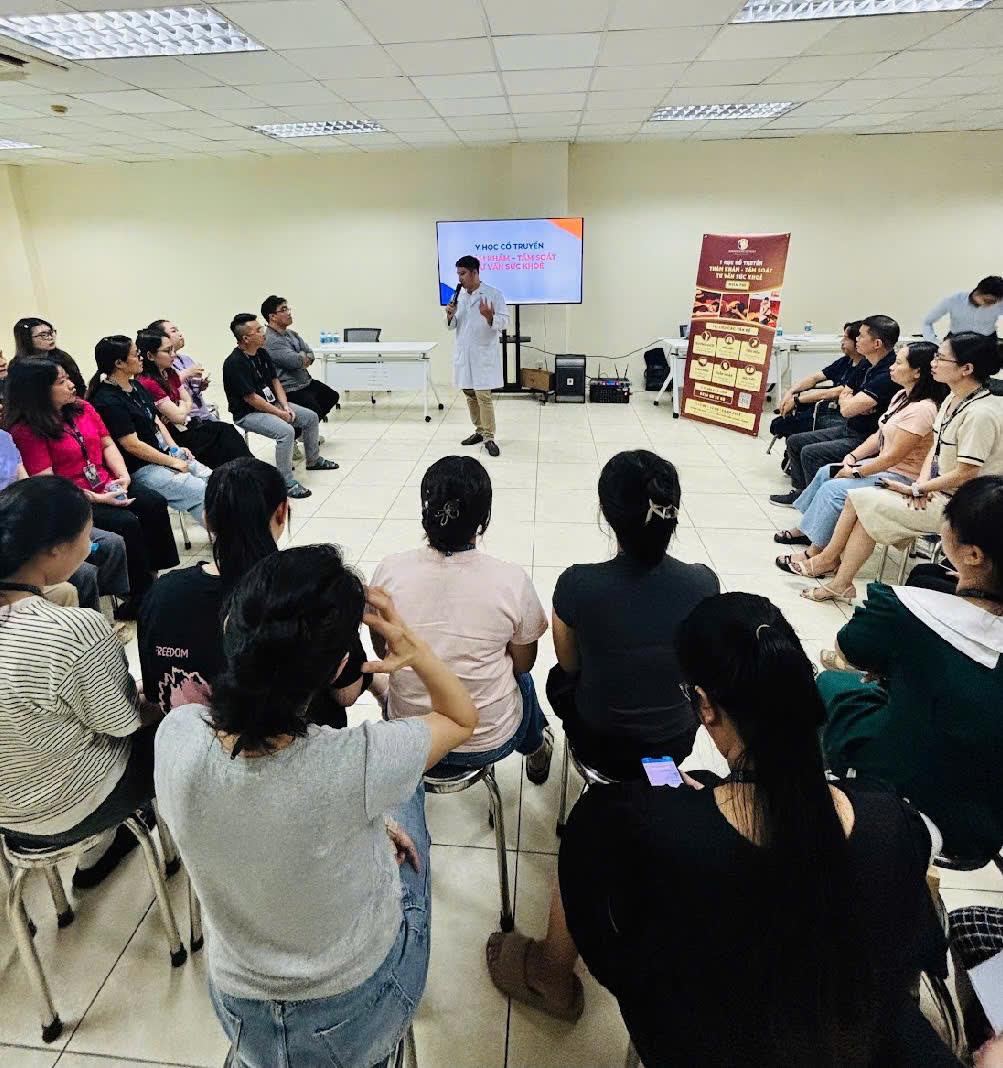
In class at Vinhomes Grand Park, the Kidney myths are taught through role play. One learner lies face down as the client and, as soon as a partner's hands touch the lower back, asks: „My back hurts like this, does that mean my kidneys are weak?“. The learner is about to nod. Lương Y Tống Văn Huynh lifts the learner's hands and says to answer first, then carry on. Kidney myths in TCM live right inside everyday questions like this one.
Why massage learners must be able to clear up kidney myths in TCM
Go along with the client and the session plants more worry; say too much and you cross into the medical profession's territory. Tong Gia's Five-Organ Wellness curriculum puts every myth into three parts: the Western medical fact, how TCM sees it, and what the learner says to the client.
Myth 1: The TCM Kidney is the physical kidney
Western medicine: the kidneys are a pair of bean-shaped organs behind the peritoneum, on either side of the lumbar spine. Each day they filter about 180 litres of fluid to make 1–2 litres of urine, and they also release renin to regulate blood pressure.
TCM: the Kidney is a functional system, „the root of prenatal life“: it stores essence, governs the bones and produces marrow, governs water, receives qi and opens into the ears. The two views complement each other; neither replaces the other. TCM „Kidney deficiency“ is not the same as Western „nephrotic syndrome“, a glomerular disease that causes protein loss.
The learner says: „In TCM terms, your signs show some features of Kidney qi deficiency; this is a TCM concept, not a kidney disease in the Western sense.“ Never say „you have kidney deficiency“.
Myth 2: Back pain means weak kidneys
Western medicine: most back pain comes from muscles, ligaments and the spine. Kidney-related pain usually sits in the flank, with fever or urination problems; kidney stones cause colicky pain that spreads to the lower abdomen.
TCM: long-lasting tiredness in the lower back and knees can relate to Kidney deficiency, but it is only one sign and must be read together with the ears, hair, sleep and body temperature. The hands read the lower back by four factors: skin temperature, the muscle layer, vertebral shape and sensation. How to tell muscles from the Kidney is covered in signs of weak Kidneys in TCM.
The learner says: „Back pain has many causes; let me read the muscles of your back first.“
Myth 3: Any „kidney tonic“ is good for you
Western medicine: the kidneys clear many substances, including painkillers and herbal products. „Kidney tonic“ products of unclear origin, used for a long time, can harm the kidneys.
TCM: no single kind of „tonic“ suits everyone. Kidney yin deficiency lacks the „cooling water“, Kidney yang deficiency lacks the „warming fire“, and the care goes in opposite directions; see Kidney yin deficiency vs Kidney yang deficiency.
The learner says: do not suggest any product to the client; say massage helps relax and warm the lower back, and never call the session a „kidney tonic, yang booster“.
Myth 4: Night urination means weak kidneys, and a few massages will stop it
Western medicine: getting up 0–1 time a night to urinate is common. Getting up twice or more for a long time has many possible causes, so it is worth seeing a doctor to find out.
TCM: the Kidney and the Bladder are an interior-exterior pair; with Kidney qi deficiency people tend to urinate often, wake at night to urinate or feel they have not fully emptied.
The learner says: „The session helps you relax and sleep more easily; if night urination keeps going, please see a doctor to find the cause.“ Never promise it will stop.
Myth 5: Drink lots of water to flush the kidneys, get massage so the kidneys detox
Western medicine: drink enough for your needs; pale yellow urine is the target. People with heart failure or serious kidney failure may need to limit fluids as their doctor instructs. Massage does not make the kidneys detox and does not dissolve stones.
TCM: the Kidney governs water and regulates fluids together with the Lung and the Spleen. Thận Du (BL23, 肾俞) and Mệnh Môn (GV4, 命门) do not act directly on kidney tissue; the points help balance qi and blood and keep the meridians open.
The learner says: „Massage helps you relax and improves circulation around the lower back.“ If a client mentions a normal creatinine result, do not comment; this value can stay within range even when kidney function has dropped, so the client should ask a doctor.
Lương Y Tống Văn Huynh teaches learners to answer before they lay hands
With more than 13 years in the profession, Lương Y Tống Văn Huynh reminds the class: „Clients bring the word Kidney along with their worry about the organ; the learner has to separate those two meanings before laying hands, because one wrong sentence worries a client longer than the whole session.“ Each myth is role-played again until the learner answers briefly, without scaring and without promising.
When to advise the client to see a doctor
Advise the client to see a doctor at a medical facility when there is:
- Blood in the urine; very foamy urine that keeps going.
- Puffy face or swollen legs; very little urine or being unable to urinate.
- Colicky flank pain spreading to the lower abdomen; fever with flank pain and burning urination.
- Frequent night urination that keeps going; high blood pressure that is hard to control.
- Fatigue, nausea or itching that lasts with no clear reason.
Tong Gia offers wellness care, not a medical service.
Which level teaches this?
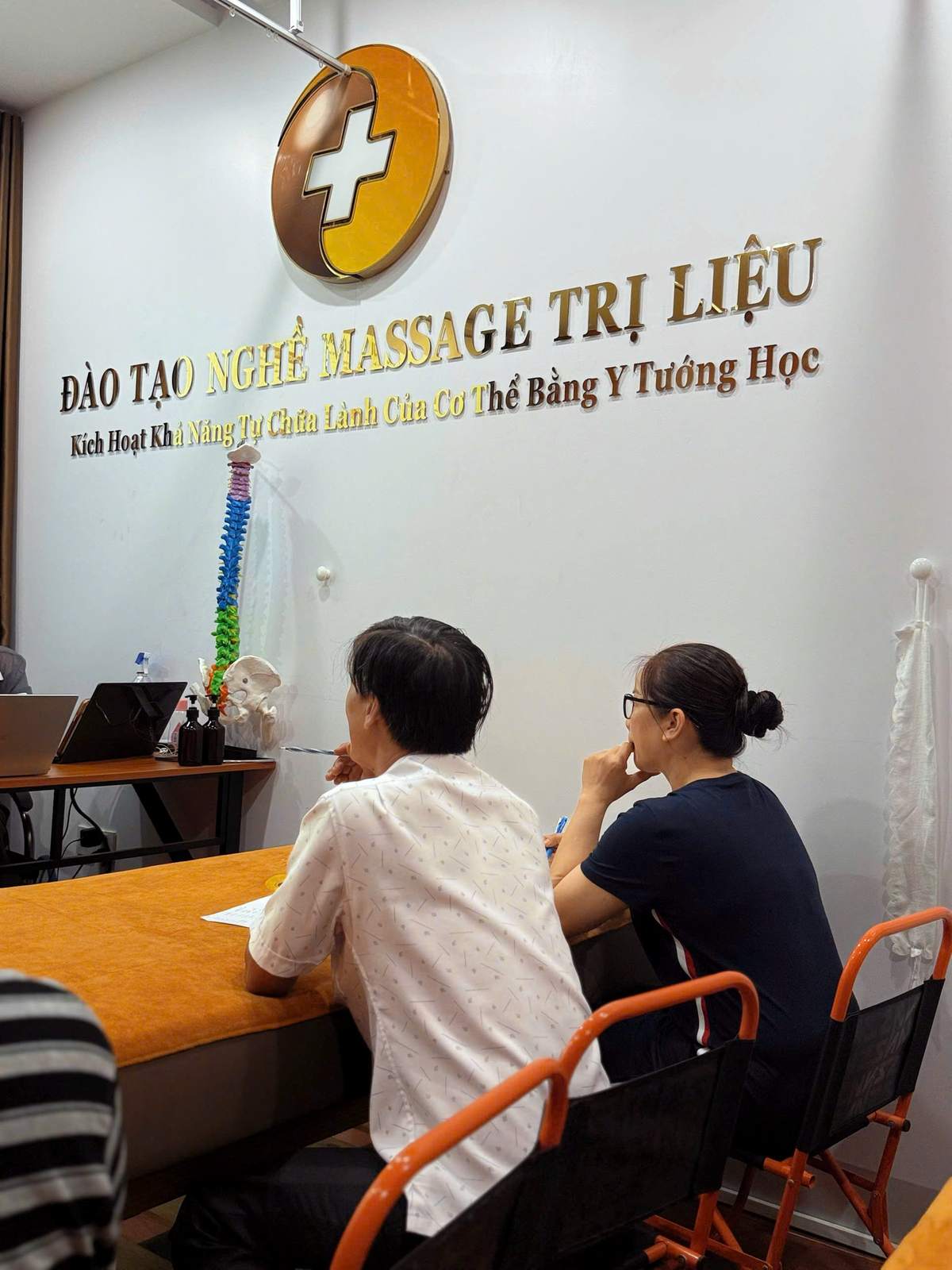
The Kidney chapter is part of the Five-Organ Wellness module of the Specialist Course (L3), learned alongside reading the spine by hand. Beginners start with L1 Foundation (1.500.000đ); staff confirm L2–L4 fees when you register. Read more about the teacher: Lương Y Tống Văn Huynh.
How to sign up
The trial class on Sunday morning, 9:00–12:00, with no fee, and the Sunday Y Tướng Học (face reading for wellness) class are open to beginners, at căn T16-21 khu Manhattan, Vinhomes Grand Park, TP. Thủ Đức (unit T16-21, Manhattan block, Thu Duc City). Tong Gia does not promise jobs or income after the course. Book a trial class or call the training hotline 0917 945 259.
Frequently asked questions
What are the common kidney myths in TCM? The usual ones: seeing the TCM Kidney as the physical organ, assuming back pain means weak kidneys, believing any kidney tonic is good, expecting massage to stop night urination and drinking lots of water to flush the kidneys.
Is it a problem to tell a client „you have kidney deficiency“? It easily alarms the client, because TCM Kidney deficiency is not Western nephrotic syndrome. The learner only says the signs show features of Kidney qi deficiency in TCM terms, not a kidney disease.
Does massage help the kidneys detox? No. Massage helps you relax and improves circulation around the lower back; it does not make the kidneys detox and does not dissolve stones.
How many times a night is it worth seeing a doctor about? 0–1 time a night is common. Getting up twice or more for a long time is worth a doctor's visit to find the cause.
Related articles
- The 12 main meridians: names, pathway rules and peak hours, an easy table for vocational learners
- Face reading for health: the 3 facial zones in Y Tướng Học, how to divide them and how to read them to care for the body properly
- What are the 8 extraordinary vessels: roles, main pathways and how wellness learners use them
- Yin-Yang and the Five Elements for wellness learners: enough to make the hands work right
- All articles about learning the trade
Reserve a free Sunday-morning trial class or ask about the learning path: message Zalo 0917 945 259.

Founder of Tong Gia Acupoint Wellness (Huyệt Đạo Tống Gia), with more than 13 years in Eastern wellness practice, Y Tướng Học (face reading for wellness) and spinal nerve-reflex balancing. Lương Y's story
417 customers have reviewed Tong Gia on Google Maps
Reviews are written by customers themselves on Google; tap to read them before you visit.
Huyệt Đạo Tống Gia Quận 12
225 Dương Thị Mười, Phường Tân Chánh Hiệp (District 12, Ho Chi Minh City). 8:00 – 19:00 daily.
See reviews on Google MapsHuyệt Đạo Tống Gia Quận 9
Căn T16-21 khu Manhattan, Vinhomes Grand Park, Phường Long Bình (Thủ Đức City, Ho Chi Minh City). 9:00 – 20:00 daily.
See reviews on Google MapsWant to be observed in person?
A 90-minute session starts with observation, and only then moves on to muscle release and acupressure on the right areas. Two branches: District 12 and Vinhomes Grand Park.