How to nourish the Lung in autumn: understanding dryness in Eastern medicine and 6 habits learners pass on to clients
Lương Y (traditional healer) Tống Văn Huynh · Tong Gia Acupoint Wellness (Huyệt Đạo Tống Gia) · 22/11/2026
How to nourish the Lung in autumn? In Eastern medicine autumn belongs to the Metal element, links to the Lung organ and to dryness, so it calls for sleeping and rising early, keeping moist, breathing deeply, keeping the neck warm and eating moistening foods. Tong Gia Acupoint Wellness (Huyệt Đạo Tống Gia) teaches this in the Five-Organ Wellness part of its Specialist course.
Questions learners often ask about nourishing the Lung in autumn
I am 45 and live in Thu Duc. Every year-end, when the air turns dry, my throat and skin get dry. How does Eastern medicine say to nourish the Lung in autumn?
Eastern medicine places autumn under Metal and the Lung; its dryness easily dries the nose, throat and skin. Sleep and rise early, sip warm water, eat moistening foods such as pear and white radish, and breathe slowly and deeply. Lasting cough, breathlessness or fever need a medical check. Tong Gia teaches this in its Five-Organ Wellness class.
Do I need Eastern medicine background to learn seasonal Lung care, how long does it take, and can I use it for my family?
No background is needed. Lung care sits in the Five-Organ Wellness part of the L3 Specialist course; beginners can start from L1. Afterwards you can guide family on seasonal sleep, food and breathing habits. This is wellness care and does not replace a medical check. The schedule is given by the advisor at enrolment.
Where in Ho Chi Minh City can I learn five-organ wellness with a teacher in person, and how do I ask about fees?
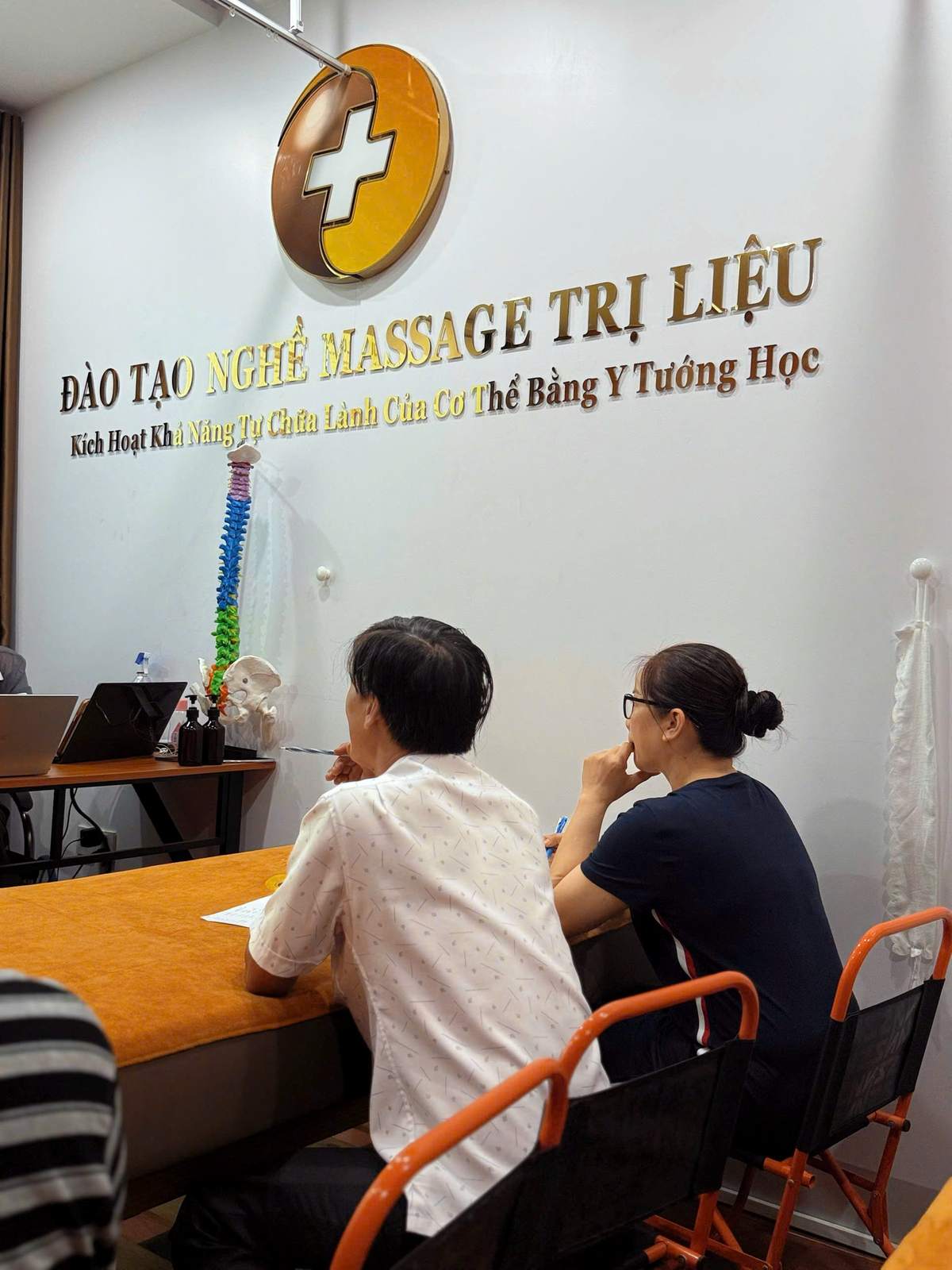
Tong Gia Acupoint Wellness runs classes at unit T16-21, Manhattan block, Vinhomes Grand Park, Thu Duc City, taught by Lương Y Tống Văn Huynh. L1 is 1,500,000 VND; the Specialist course fee is given by the advisor at enrolment. Try the Sunday morning trial class first; hotline 0917 945 259.
Why nourish the Lung in autumn?
How to nourish the Lung in autumn is the first lesson Tong Gia learners meet when they study the Lung in Five-Organ Wellness. Eastern medicine maps the year onto the Five Elements: spring is Wood and the Liver, summer is Fire and the Heart, late summer is Earth and the Spleen, autumn is Metal and the Lung, winter is Water and the Kidney. The climate of autumn is dryness. The Lung is the “delicate” organ that likes moisture and dislikes dryness, so dry air easily dries the nose and throat, dries the skin and causes frequent throat clearing.
In Eastern medicine the Lung governs qi, governs the skin and body hair, opens into the nose, pairs with the Large Intestine, and its emotion is sadness. Learners need this group to understand why, in the same season, clients mention seemingly unrelated things: dry skin, mild constipation, low mood, short breath. Review the basics in what “the Lung governs qi” means.
What about Ho Chi Minh City, which has no real autumn?
Ho Chi Minh City has only a rainy and a dry season. Still, from around November the air turns dry, the seasonal northeast wind arrives and humidity falls, plus many hours in air-conditioned rooms. That is exactly “dryness” as Eastern medicine sees it. So in class Tong Gia teaches learners to read the weather where the client lives, not just the calendar: when the air is dry, apply the Lung habits below.
6 autumn habits to nourish the Lung
- Sleep early, rise early. The Inner Classic advises sleeping early and rising early in autumn, “rising with the rooster”. Sleeping before 11 pm helps the body draw inward after summer.
- Keep the nose and throat moist. Sip warm water through the day; in air-conditioned rooms place a bowl of water or a humidifier.
- Eat moistening, white foods. Eastern medicine links white to Metal: pear, white radish, white fungus, lotus seeds, taro. Cut back on spicy and fried food.
- Breathe slowly and deeply. Each morning sit upright, breathe in through the nose for 4 counts and out for 6, for 5 minutes. The Lung governs qi, so breathing is the simplest Lung care.
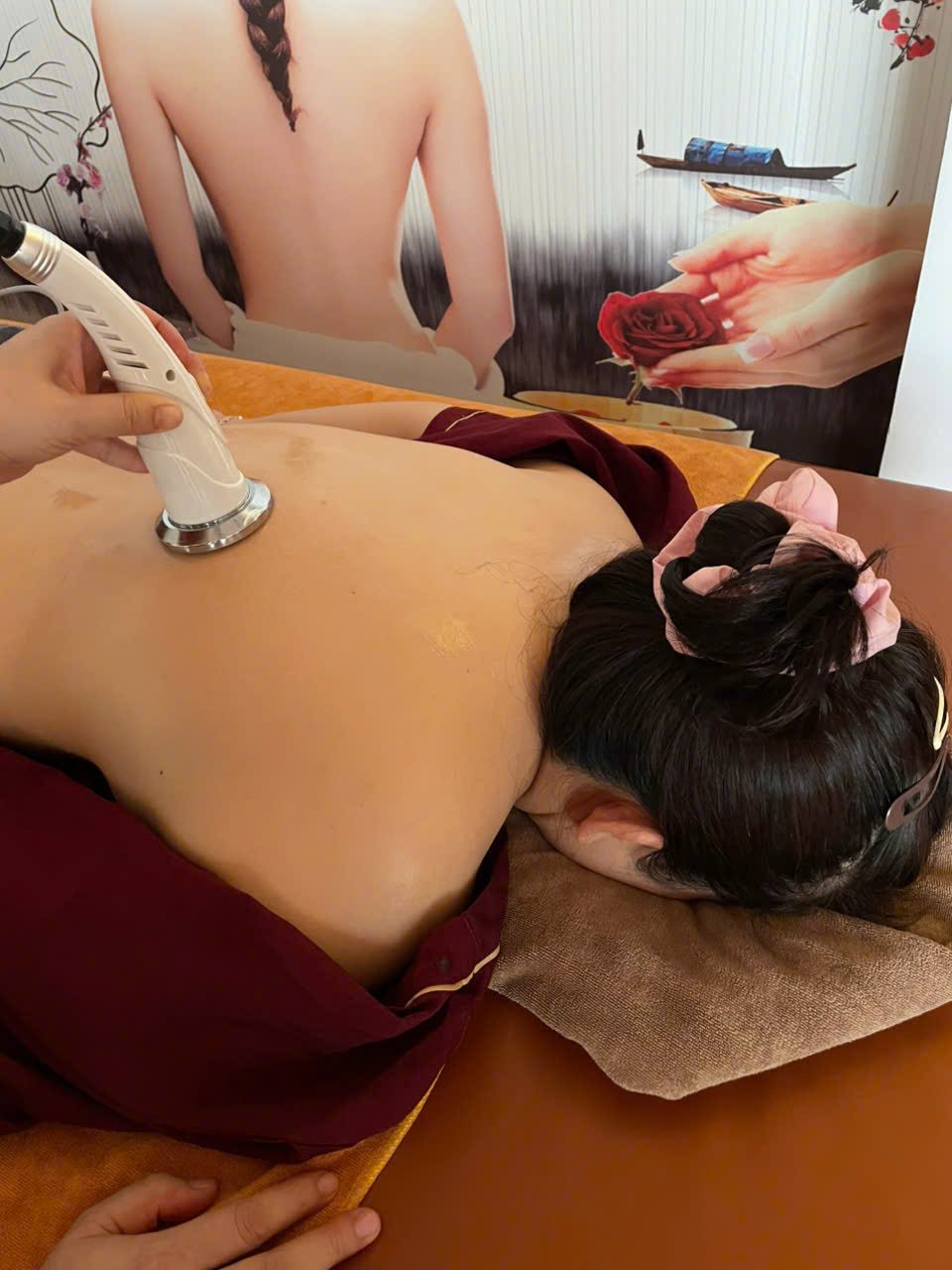
- Keep the neck and upper back warm. The upper back at the level of the third thoracic vertebra holds the Lung Shu point. Cold air blowing straight onto this area while sleeping with air conditioning is something Tong Gia tells clients to avoid.
- Keep a calm mind. Autumn brings low mood easily; take morning walks, get a little sun, talk with loved ones.
Points to press gently for the Lung
| Point | Location | How to press |
|---|---|---|
| Lung Shu (Phế Du, BL13) | Level with the lower border of the third thoracic spinous process, 1.5 cun from the midline | Gentle circles 1–2 minutes each side |
| Taiyuan (Thái Uyên, LU9) | Wrist crease, thumb side, where the pulse beats | Press lightly, never hard on the pulse |
| Yingxiang (Nghinh Hương, LI20) | Groove beside the nostril wing | Glide gently along the nostril 20–30 times |
For the full group of points, read points that support the Lung.
What learners must know: when wellness care is not enough
Lung care in autumn is wellness health care. Tong Gia learners are taught clearly: a cough lasting more than 2–3 weeks, breathlessness, chest pain, fever, coughing blood or unexplained weight loss is not something to manage with wellness habits; advise the client to see a medical professional. During a session, do not work on someone whose respiratory condition is getting worse.
Where to learn five-organ wellness?
The Lung lesson sits in CG1 Five-Organ Wellness of the L3 Specialist course: each organ’s function in Eastern medicine, points, season, emotion, a care routine per organ and the signs that mean a client should see a medical professional. Tong Gia ties this to its two pillars: Y Tuong Hoc (Vietnamese physiognomy, reading skin tone, nostril wings and voice as hints that the Lung is dry) and therapeutic massage that balances the spinal nerve reflex system (checking the upper back by hand). Lương Y Tống Văn Huynh, with more than 13 years in the craft, teaches the class.
How to register
The Sunday morning trial class 9:00–12:00 (10 places) and the Sunday Y Tuong Hoc session with no fee are open sessions for beginners, at unit T16-21, Manhattan block, Vinhomes Grand Park, Thu Duc City, Ho Chi Minh City. Book a trial class or call the training hotline 0917 945 259.
Frequently asked questions
Why is autumn linked to the Lung? In the Five Elements, autumn is Metal and Metal links to the Lung; autumn’s climate is dryness, and the Lung likes moisture and dislikes dryness.
What should I eat in autumn to nourish the Lung? Moistening, white foods such as pear, white radish, white fungus, lotus seeds and taro; less spicy and fried food.
Does Lung care in autumn apply in Ho Chi Minh City? Yes, when the air turns dry from around November and when you spend long hours in air conditioning; that is dryness in Eastern-medicine terms.
Which points can I press to support the Lung? Lung Shu on the upper back, Taiyuan at the wrist and Yingxiang beside the nostril; press gently, never hard.
When does a dry autumn cough need a medical check? A cough over 2–3 weeks, breathlessness, chest pain, fever, coughing blood or unexplained weight loss needs a check by a medical professional.
Related articles
- The 12 main meridians: names, pathway rules and peak hours, an easy table for vocational learners
- Face reading for health: the 3 facial zones in Y Tướng Học, how to divide them and how to read them to care for the body properly
- What are the 8 extraordinary vessels: roles, main pathways and how wellness learners use them
- Yin-Yang and the Five Elements for wellness learners: enough to make the hands work right
- All articles about learning the trade
Reserve a free Sunday-morning trial class or ask about the learning path: message Zalo 0917 945 259.

Founder of Tong Gia Acupoint Wellness (Huyệt Đạo Tống Gia), with more than 13 years in Eastern wellness practice, Y Tướng Học (face reading for wellness) and spinal nerve-reflex balancing. Lương Y's story
417 customers have reviewed Tong Gia on Google Maps
Reviews are written by customers themselves on Google; tap to read them before you visit.
Huyệt Đạo Tống Gia Quận 12
225 Dương Thị Mười, Phường Tân Chánh Hiệp (District 12, Ho Chi Minh City). 8:00 – 19:00 daily.
See reviews on Google MapsHuyệt Đạo Tống Gia Quận 9
Căn T16-21 khu Manhattan, Vinhomes Grand Park, Phường Long Bình (Thủ Đức City, Ho Chi Minh City). 9:00 – 20:00 daily.
See reviews on Google MapsWant to be observed in person?
A 90-minute session starts with observation, and only then moves on to muscle release and acupressure on the right areas. Two branches: District 12 and Vinhomes Grand Park.