Eastern wellness massage course in Ho Chi Minh City: how it differs from relaxation massage and what you learn
Lương Y (traditional healer) Tống Văn Huynh · Tong Gia Acupoint Wellness (Huyệt Đạo Tống Gia) · 22/10/2026
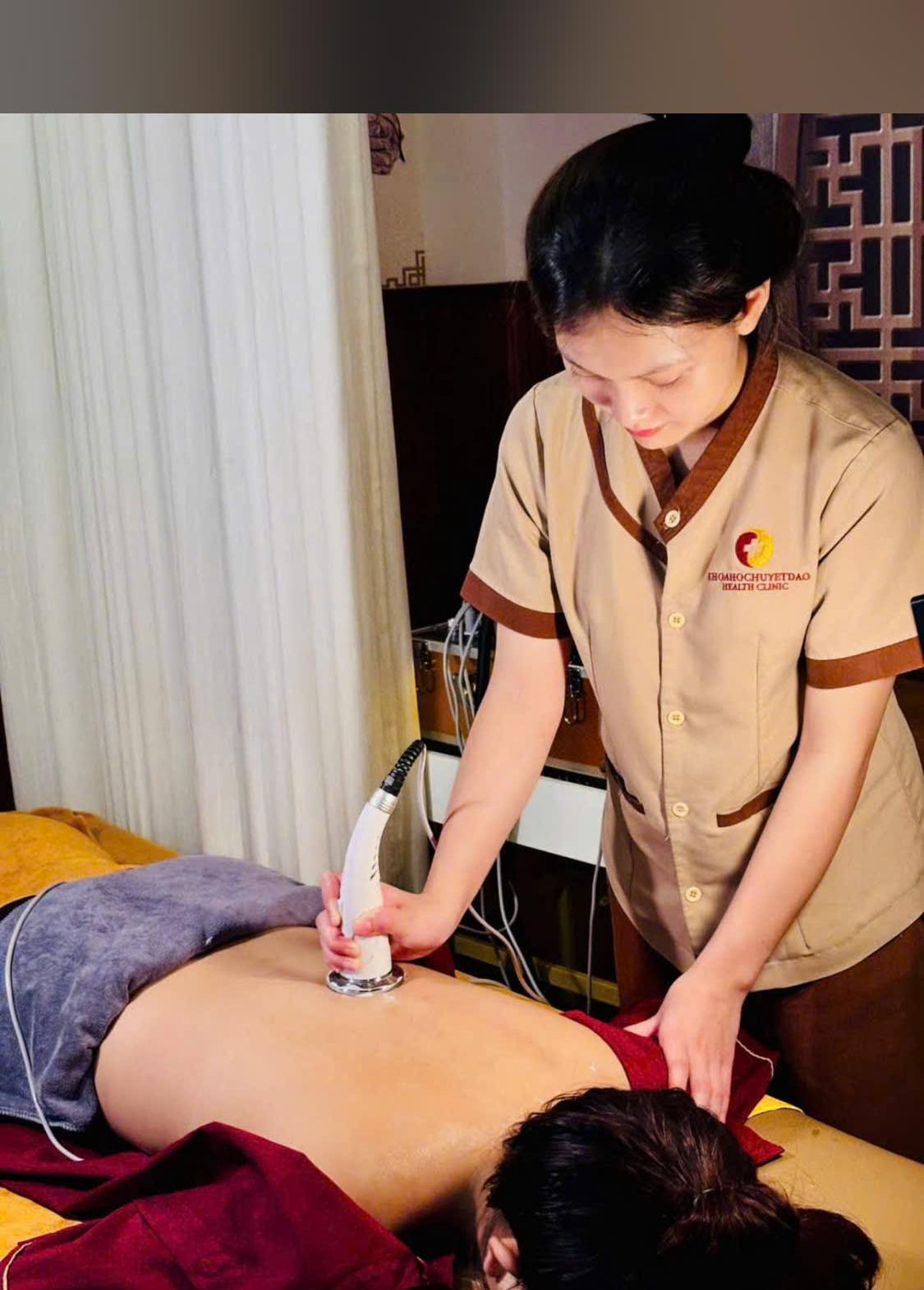
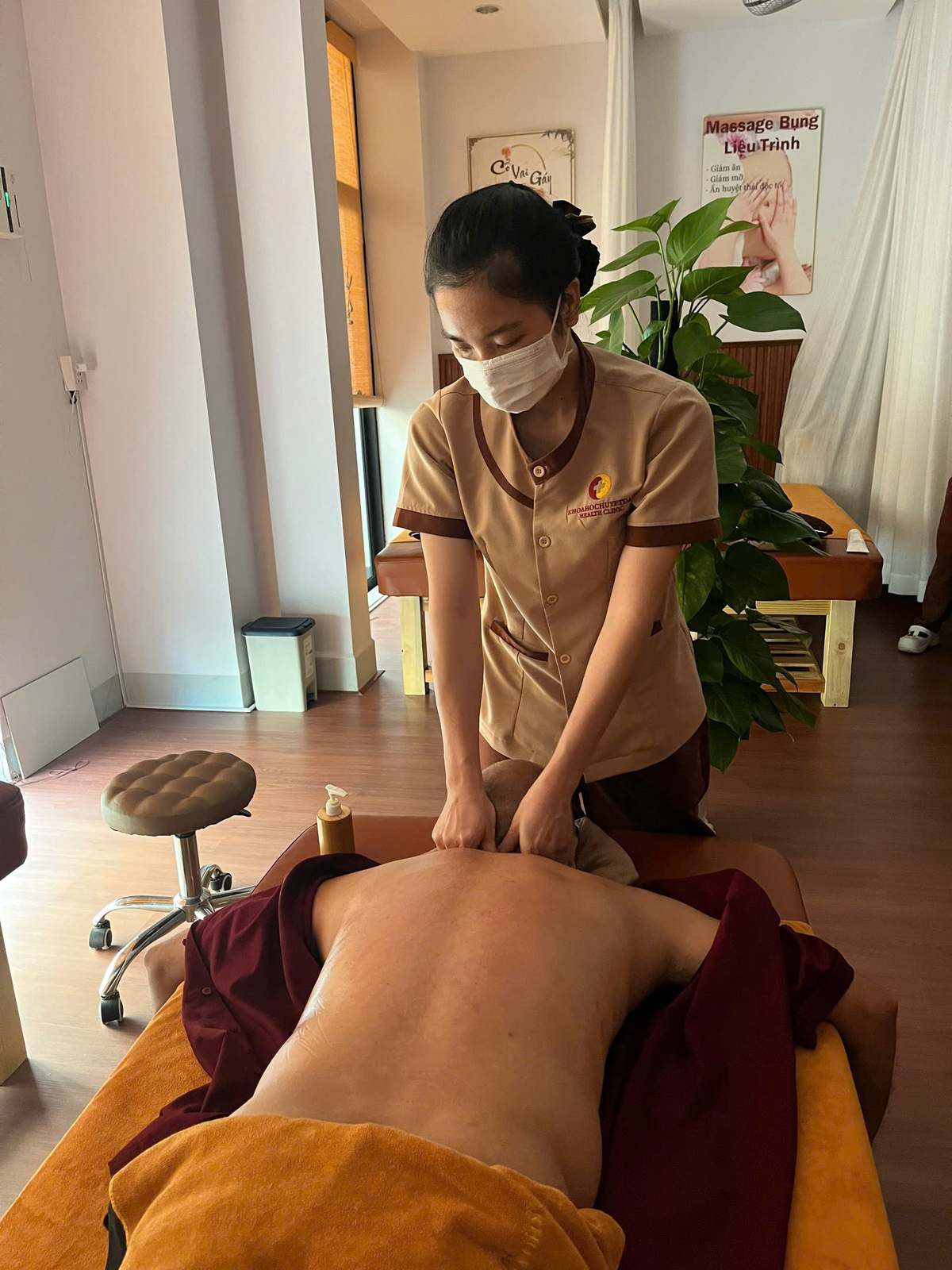
An Eastern wellness massage course teaches slow-rhythm massage with pressure matched to each person's constitution, based on the Five Elements and the meridians, unlike the fixed routine of relaxation massage. Learners must read body shape, choose pressure and choose rhythm. At Tong Gia in Ho Chi Minh City, the foundation is L1, the trade is L2 and advanced work is L3.
Questions learners often ask about the Eastern wellness massage course
Is there a wellness massage course at Vinhomes Grand Park with a Sunday trial?
Yes. Tong Gia's wellness massage course at unit T16-21, Manhattan zone, Vinhomes Grand Park, offers a free Sunday-morning trial. It teaches rhythm and pressure suited to each body: first muscle anatomy, then reading outer signs of the inner organs to match each person's condition. Lasting pain needs a medical facility first; this is wellness care, not a medical service. Classes: căn T16-21 khu Manhattan, Vinhomes Grand Park, TP. Thủ Đức; free trial on Sunday mornings; Zalo/WhatsApp +84 917 945 259.
Can wellness massage be used on elderly family members, and what should I watch for?
Yes, gentle wellness massage suits healthy older family members, as long as pressure stays light and you avoid swollen joints and fragile bones. Class teaches anatomy so you know what to avoid, and how to read complexion, since outer signs reflect the inner organs. Lasting pain needs a medical facility first; this is wellness care, not a medical service. Taught by traditional practitioner Tống Văn Huynh at Vinhomes Grand Park, TP. Thủ Đức; Zalo/WhatsApp +84 917 945 259.
Wellness massage and relaxation massage: a different way of thinking
Relaxation massage usually follows a fixed routine: the same order, the same duration and the same pressure for most clients. The goal is comfort and letting go while lying on the table. That is not wrong, and many clients need only that.
Eastern wellness massage asks different questions: what kind of tiredness does this person have, what is their constitution, should the work be fast or slow, firm or light? With the same routine, a young healthy person and an older person with thin skin must be worked on differently. Wellness massage is therefore massage with observation and adjustment.
- Rhythm: wellness massage is usually slow and even, in step with the breathing of the person on the table.
- Pressure: there is no single standard pressure; it is chosen according to the client's constitution and feedback.
- Direction: movements follow the lines of the muscles and the meridians, not random rubbing.
- Goal: beyond relaxation, it helps the person understand their own body and build self-care habits.
Reading the constitution through Five-Element body shapes before choosing pressure
In Y Tướng Học (face reading for wellness), body shapes are grouped by the Five Elements to suggest a person's constitution. This is an observation tool for practitioners, not a way to draw conclusions about health. A few commonly mentioned features:
- Wood shape: tall, slim, long limbs. Muscles tend to be long and thin; use moderate pressure along the muscle fibres.
- Fire shape: quick, energetic, often warm. Slow the rhythm down to help the person calm.
- Earth shape: full and solid. Deeper pressure can be used, but still build it up gradually.
- Metal shape: square, with a clearly defined frame. Take care around areas close to bone and avoid pressing straight onto bone.
- Water shape: round, soft, often cold. Favour warming movements and an even rhythm.
At Tong Gia, the guiding phrase is “the organs are the cause, the signs are the effect”: the outer signs reflect the organs inside. But the class rule is that every reading from the face or body shape must be cross-checked by hand along the spine. The eyes suggest, the hands confirm. This is where Tong Gia's two pillars meet: Y Tướng Học and spinal nerve-reflex balancing.
What an Eastern wellness massage course should teach
Wherever you study, you can compare a course against the following parts:
- Just enough Eastern medicine theory: yin-yang, the Five Elements and the meridians at the level a practitioner needs, not rote memorisation.
- Observation before hands-on work: complexion, body shape, posture, breathing.
- Basic techniques: rubbing, stroking, kneading, circular pressing, pressing, rolling between the fingers and rolling, each with its own rhythm and pressure.
- Acupressure on common areas: neck and shoulders, back, legs.
- The flow of a session: welcoming the client, asking about their condition, the order of areas, finishing and aftercare advice.
- Safety and limits: when not to work, and when to advise the client to see a doctor.
Caring for older people: the part that needs the most careful study
Many people look for a wellness massage course to care for their parents and grandparents. Older people are also a common client group at wellness centres. This is the group that needs the most caution.
- Much lighter pressure: thinner skin, less muscle, more brittle bones. Pressure used on a young person can be too much for an older one.
- Comfortable positions: many elders find it hard to lie face down for long; work with them lying on their side or sitting supported.
- Shorter sessions: work on fewer areas, watch the reaction, do not force the full routine.
- Ask more often: older people tend to hold back from saying it hurts, so the practitioner must ask.
- Keep them warm: cover the areas not being worked on with a towel and avoid cold drafts.
Older people often have underlying conditions. If pain persists, numbness or weakness gets worse, dizziness appears or there are any unusual signs, the practitioner stops and advises the family to take them to a medical facility. Tong Gia is a wellness care service offering relaxation by hand, not a medical service. If you want to care for your parents at home, read more in learning acupressure at home to care for your parents.
The Eastern wellness massage course at Tong Gia
Tong Gia was founded by Lương Y Tống Văn Huynh. He has more than 13 years in Eastern wellness practice, Y Tướng Học and spinal nerve-reflex balancing, and he builds the curriculum and teaches the classes himself. About 70% of class time is hands-on practice on real people: placing the hands, applying pressure, locating the muscle areas to work on. Classes are small so Lương Y can guide each person.
- L1 Introduction to Y Tướng Học (1.500.000đ): reading complexion, Five-Element body shapes, the 3 facial zones, daily wellness habits, a few safe self-care acupoints, practice in pairs. Suited to people who want to care for their family.
- L2 Basic Trade: muscle release, acupressure for the neck and shoulders, back and legs; the standard Tong Gia 90-minute session flow; communicating with clients.
- L3 Specialist: spinal nerve-reflex balancing, advanced Y Tướng Học.
- L4 Master and Transfer: for business owners who want to standardise their processes and team.
Fees for L2 to L4, the number of sessions and their length are given by an advisor when you register. Tong Gia does not promise a job or income after the course. The process taught in class is the one used at the two service branches in District 12 and District 9. See the overview on the page learn therapeutic-style massage in Ho Chi Minh City.
How to register
Come to the free Sunday-morning trial class, 9:00 to 12:00, 10 places each week, at căn T16-21 khu Manhattan, Vinhomes Grand Park, Phường Long Bình, TP. Thủ Đức (unit T16-21, Manhattan zone, Long Bình Ward, Thủ Đức City). Lương Y checks your hands-on skill and then suggests the right level.
The L1 Introduction to Y Tướng Học class opens on a schedule; register via the hotline 0917 945 259 (Zalo/WhatsApp +84 917 945 259).
Frequently asked questions
How is wellness massage different from relaxation massage? Relaxation massage usually follows one fixed routine for every client. Eastern wellness massage observes the person's constitution, then adjusts the rhythm, pressure and direction of movements for each individual.
What should I watch for when giving wellness massage to elderly people? Use light pressure, comfortable positions and short sessions, keep them warm and ask how they feel often. If pain persists, numbness or weakness gets worse, or they have underlying conditions, take your family member to a medical facility.
Do I need to know Eastern medicine before learning Eastern wellness massage? No. A good course teaches yin-yang, the Five Elements and the meridians at the level a practitioner needs, linked to hands-on practice on real people.
How much does an Eastern wellness massage course in Ho Chi Minh City cost? At Tong Gia, L1 Introduction to Y Tướng Học costs 1.500.000đ. Fees for the later levels are given by an advisor when you register via Zalo 0917 945 259.
How do Five-Element body shapes help with massage? Five-Element body shapes suggest a person's constitution so you can choose a starting rhythm and pressure. At Tong Gia, every reading from body shape is cross-checked by hand along the spine.
Related articles
- The 12 main meridians: names, pathway rules and peak hours, an easy table for vocational learners
- Face reading for health: the 3 facial zones in Y Tướng Học, how to divide them and how to read them to care for the body properly
- What are the 8 extraordinary vessels: roles, main pathways and how wellness learners use them
- Yin-Yang and the Five Elements for wellness learners: enough to make the hands work right
- All articles about learning the trade
Reserve a free Sunday-morning trial class or ask about the learning path: message Zalo 0917 945 259.

Founder of Tong Gia Acupoint Wellness (Huyệt Đạo Tống Gia), with more than 13 years in Eastern wellness practice, Y Tướng Học (face reading for wellness) and spinal nerve-reflex balancing. Lương Y's story
417 customers have reviewed Tong Gia on Google Maps
Reviews are written by customers themselves on Google; tap to read them before you visit.
Huyệt Đạo Tống Gia Quận 12
225 Dương Thị Mười, Phường Tân Chánh Hiệp (District 12, Ho Chi Minh City). 8:00 – 19:00 daily.
See reviews on Google MapsHuyệt Đạo Tống Gia Quận 9
Căn T16-21 khu Manhattan, Vinhomes Grand Park, Phường Long Bình (Thủ Đức City, Ho Chi Minh City). 9:00 – 20:00 daily.
See reviews on Google MapsWant to be observed in person?
A 90-minute session starts with observation, and only then moves on to muscle release and acupressure on the right areas. Two branches: District 12 and Vinhomes Grand Park.