Where is the Dicang point (Địa Thương) and how to press it: beside the mouth corner, pressed gently in the right direction
Lương Y (traditional healer) Tống Văn Huynh · Tong Gia Acupoint Wellness (Huyệt Đạo Tống Gia) · 22/11/2026
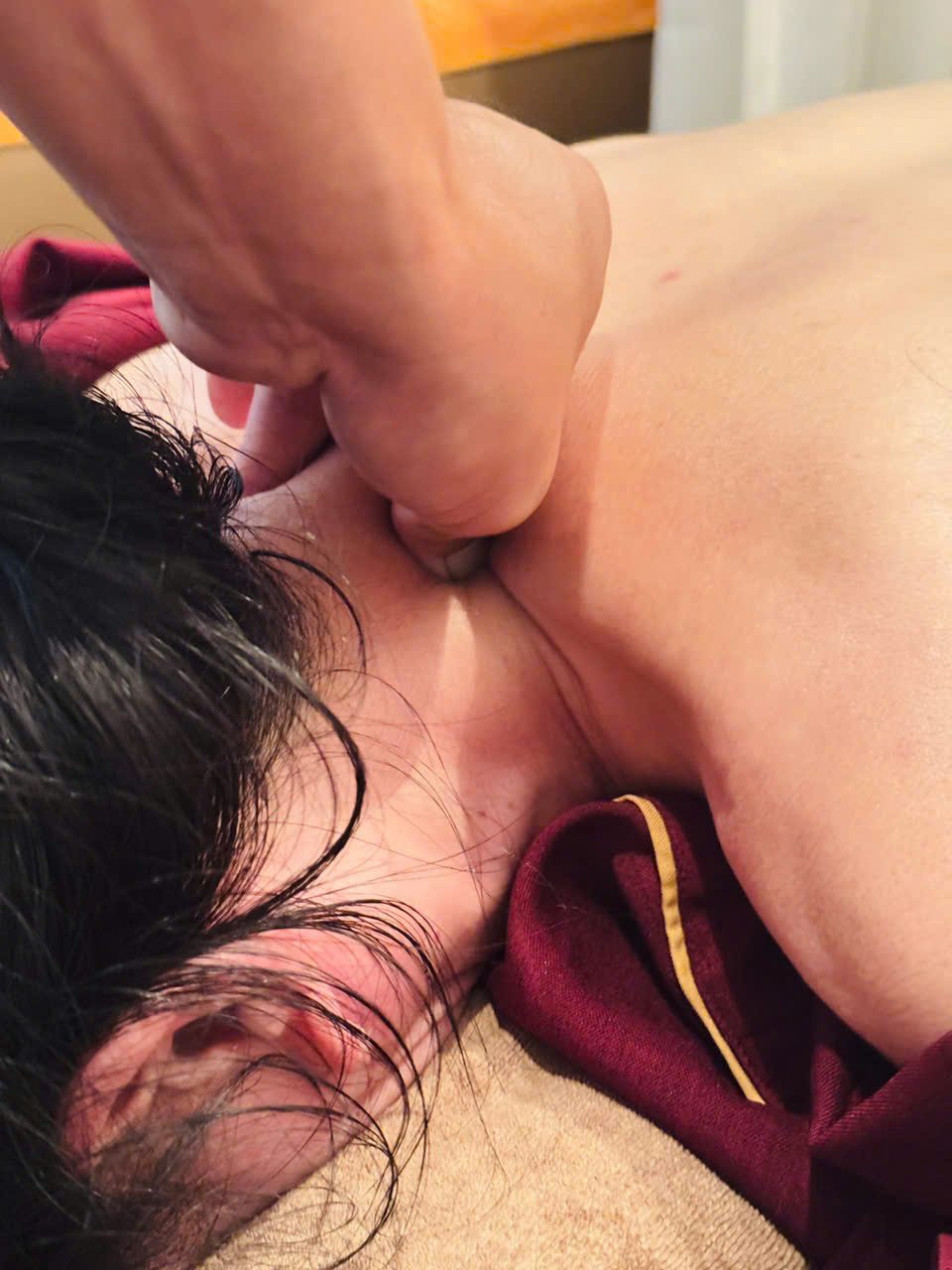
The Dicang point (Địa Thương) (ST4, Stomach channel) lies about 0.4 cun lateral to the corner of the mouth, on the line running down from the pupil. As Tong Gia Acupoint Wellness (Huyệt Đạo Tống Gia) teaches, learners place the middle-finger pad close to the mouth corner, make gentle circles for 30–60 seconds, then glide out toward the Jiache point at the jaw angle.
Questions learners often ask about the Dicang point (Địa Thương)
Where exactly is the Dicang point (ST4), how do I find it by hand, how long should I press it and who should not?
Địa Thương lies about 0.4 cun lateral to the mouth corner, directly below the pupil. From the Cự Liêu point level with the nostril, slide straight down to mouth-corner level and you reach it. Make gentle circles for 30–60 seconds. Avoid it with mouth sores, recent dental work, injections or lip tattooing. Tong Gia teaches this carefully.
I am 33 and live in Thu Duc. I grind my teeth and my jaw and cheeks feel tired. Is it safe to press Địa Thương myself?
Yes, if you press lightly with clean hands and the lip skin is intact. The orbicularis oris, risorius and facial nerve branches lie here, so light pressure is enough; also work the masseter at the jaw angle. Lasting jaw pain, difficulty opening the mouth or clicking need a medical check. This is wellness care and does not replace an examination.
Where in Ho Chi Minh City can I learn face and jaw acupressure with someone correcting my hands?
Tong Gia Acupoint Wellness at unit T16-21, Manhattan block, Vinhomes Grand Park, Thu Duc City teaches the Stomach channel points of the face within its therapeutic massage pathway that balances the spinal nerve reflex system. Lương Y Tống Văn Huynh teaches and adjusts each person’s pressure; hotline 0917 945 259.
Where is the Dicang point?
Where the Dicang point (Địa Thương) is and how to press it is the next lesson after Cự Liêu as Tong Gia learners follow the Stomach channel points on the face. Địa Thương has the international code ST4, the fourth point of the Foot Yangming Stomach channel. “Địa” means earth and “thương” a granary: the mouth is where food enters, like the door of a granary. Standard location: about 0.4 cun lateral to the mouth corner, on the line running down from the pupil when looking straight ahead.
How to find Địa Thương by hand
- The person lies on their back with lips naturally closed, not pressed tight.
- Find the Cự Liêu point level with the lower edge of the nostril, in line with the pupil.
- From Cự Liêu, slide the middle finger straight down to mouth-corner level. Where the finger rests just outside the mouth corner and feels fibres running slightly diagonally is Địa Thương.
An easy landmark: the Stomach channel runs from Địa Thương diagonally back and down to the jaw angle, reaching the Giáp Xa point, where the masseter bulges when you clench your teeth. Learning these two together helps learners see why the mouth and jaw areas tend to tighten at the same time.
What lies beneath: an anatomical view
The Địa Thương area holds the orbicularis oris, where many facial muscles converge, such as the risorius, zygomaticus major and depressor anguli oris. Nearby run branches of the facial nerve (moving the facial muscles), sensory branches of the trigeminal nerve and the facial artery. The skin of the lips and mouth corners is thin and cracks easily. So pressure must be light and must not stretch the lip corner. In Eastern medicine the Stomach channel circles the lips; when observing through Y Tuong Hoc (Vietnamese physiognomy), learners read lip colour and mouth corners as a hint about the Spleen and Stomach, then ask the client about eating habits without drawing conclusions.
How to press Địa Thương correctly
- Finger: the middle-finger pad; nails trimmed short, clean hands, no oil near the lips.
- Direction: press gently inward toward the molars, without pulling the mouth corner.
- Pressure: light; a warm, faintly tingling feeling is enough.
- Time: circles for 30–60 seconds each side, then glide from the mouth corner diagonally to the jaw angle 5 times.
- Combination: for clients who grind their teeth, also work the masseter around Giáp Xa and release the neck, as jaw and neck tension tend to go together.
When not to press, and when to advise a medical check
| Situation | Learner should |
|---|---|
| Sores, cracked or bleeding lips or mouth corners, cold sores | Do not touch the area |
| Recent tooth extraction, dental work, injections or lip tattooing | Do not work the mouth and jaw area |
| Lasting jaw pain, difficulty opening the mouth, clicking joint | Work the muscles lightly and advise a medical check |
| Sudden drooping of the mouth or one side of the face, slurred speech | Call emergency services at once; do not press |
| Tired cheeks and jaw after a long day | Press lightly and add the masseter and neck |
Acupressure is wellness health care and does not replace a medical examination. Practitioners must say this clearly to clients.
Where to learn facial acupressure?
At Tong Gia Acupoint Wellness, facial points are taught along the channel, from Nghinh Hương and Cự Liêu down to Địa Thương and Giáp Xa, always together with neck and shoulder release in therapeutic massage that balances the spinal nerve reflex system. Lương Y Tống Văn Huynh, with more than 13 years in the craft, has learners practise on each other and adjusts each person’s pressure. Read more: the points on the face.
How to register
The Sunday morning trial class 9:00–12:00 (10 places) and the Sunday Y Tuong Hoc session with no fee are open sessions for beginners, at unit T16-21, Manhattan block, Vinhomes Grand Park, Thu Duc City, Ho Chi Minh City. Book a trial class or call the training hotline 0917 945 259.
Frequently asked questions
Where is the Dicang point (Địa Thương)? About 0.4 cun lateral to the mouth corner, on the line running down from the pupil; code ST4, Stomach channel.
How are Địa Thương and Cự Liêu related? Both lie on the pupil line: Cự Liêu is level with the lower edge of the nostril, Địa Thương lower, level with the mouth corner.
How long should Địa Thương be pressed? Gentle circles for 30–60 seconds each side, then glide from the mouth corner diagonally to the jaw angle 5 times.
Should I press Địa Thương if I grind my teeth? You can press lightly and add the masseter around Giáp Xa and the neck; lasting jaw pain or difficulty opening the mouth needs a medical check.
When should Địa Thương not be pressed? With mouth sores, recent dental work, injections or lip tattooing; sudden mouth drooping means calling emergency services at once.
Related articles
- Where is the Qiuhou point (Cầu Hậu) and how to press it: finding it on the lower eye-socket rim and pressing gently
- Where is the Juliao point (Cự Liêu) and how to press it: below the cheekbone, level with the nostril, with the right pressure
- Where is the Da Ying point and how to press it: the jaw point where learners must avoid pressing the pulse
- All articles about learning the trade
Reserve a free Sunday-morning trial class or ask about the learning path: message Zalo 0917 945 259.

Founder of Tong Gia Acupoint Wellness (Huyệt Đạo Tống Gia), with more than 13 years in Eastern wellness practice, Y Tướng Học (face reading for wellness) and spinal nerve-reflex balancing. Lương Y's story
417 customers have reviewed Tong Gia on Google Maps
Reviews are written by customers themselves on Google; tap to read them before you visit.
Huyệt Đạo Tống Gia Quận 12
225 Dương Thị Mười, Phường Tân Chánh Hiệp (District 12, Ho Chi Minh City). 8:00 – 19:00 daily.
See reviews on Google MapsHuyệt Đạo Tống Gia Quận 9
Căn T16-21 khu Manhattan, Vinhomes Grand Park, Phường Long Bình (Thủ Đức City, Ho Chi Minh City). 9:00 – 20:00 daily.
See reviews on Google MapsWant to be observed in person?
A 90-minute session starts with observation, and only then moves on to muscle release and acupressure on the right areas. Two branches: District 12 and Vinhomes Grand Park.