Daily kidney care in TCM: 5 habits massage learners teach their clients
Lương Y (traditional healer) Tống Văn Huynh · Tong Gia Acupoint Wellness (Huyệt Đạo Tống Gia) · 13/11/2026
Daily kidney care in TCM comes down to five habits: sleep before 11 pm, keep the lower back and feet warm, drink just enough water, never hold in urine and move regularly. At Tong Gia Acupoint Wellness (Huyệt Đạo Tống Gia) in Ho Chi Minh City, learners practise giving clients small steps for each evening, promising nothing beyond wellness care.
Questions learners often ask about daily kidney care in TCM
I'm 40 and work as a massage practitioner in District 9, HCMC. Clients ask about daily kidney care in TCM. What should I tell them?
Tell clients to sleep before 11 pm, keep the lower back and feet warm, drink enough water for pale yellow urine, avoid holding in urine and move regularly. Western medicine notes the kidneys filter about 180 litres of fluid a day; TCM calls the Kidney the root. Tong Gia Acupoint Wellness teaches learners to give advice clients can actually follow.
I'm an expat in Thu Duc with no TCM background. How long is Tong Gia's Kidney wellness module, and can I keep up?
Yes, people with no TCM background can keep up. The Kidney is chapter 5 of the Five Organs wellness part of the Specialist Course (L3) at Tong Gia Acupoint Wellness, taught at Vinhomes Grand Park, Thu Duc City; beginners start with L1 Foundation at 1.500.000₫. Staff confirm the length when you register, Zalo 0917 945 259.
My client in HCMC has flank and lower-back pain and wants home kidney care tips. When should I tell them to see a doctor?
Flank or lower-back pain with fever or burning urination means advising the client to see a doctor at once, before any tips. The same goes for blood in the urine, a puffy face or swollen legs, or cramping pain spreading to the lower belly. Wellness care is not medicine; Lương Y Tống Văn Huynh teaches learners to put safety first.
The advice session: one tip, one thing the client can do
In class at Vinhomes Grand Park, at the end of the Kidney session, learners practise advising a partner who plays a client who sits all day, drinks little water and often stays up late. Learners usually reel off a long list. Lương Y Tống Văn Huynh stops them, places the learner's hand on the partner's lower back to feel whether the area is warm or cold, then asks: "Of all the things you just said, which one can you do tonight?" This article on daily kidney care in TCM follows exactly that question.
Understand the Kidney before advising clients
Western medicine describes the kidneys as a pair of bean-shaped organs on either side of the lumbar spine. Each day they filter about 180 litres of fluid and make only 1–2 litres of urine. The kidneys receive 20–25% of the blood the heart pumps out, so blood pressure and blood sugar affect them directly.
TCM calls the Kidney the root of the congenital constitution; it belongs to the Water element, corresponds to winter and is paired with the Bladder. The Kidney governs water (fluid balance), governs the bones (bones, lower back and knees) and governs the grasping of qi. The salty taste enters the Kidney, so keep salt moderate. The two views meet in three habits: drink enough, eat lightly salted food, and urinate when you feel the urge.
Five habits for daily kidney care in TCM
1. Sleep early, sleep enough
The curriculum advises sleeping before 11 pm: in TCM, early sleep nourishes yin, preserves essence and lets the Kidney rest. Winter is the Kidney's season, so go to bed early and get up a little later. For a full daily schedule, see wellness by the body clock.
2. Keep the lower back, belly and feet warm
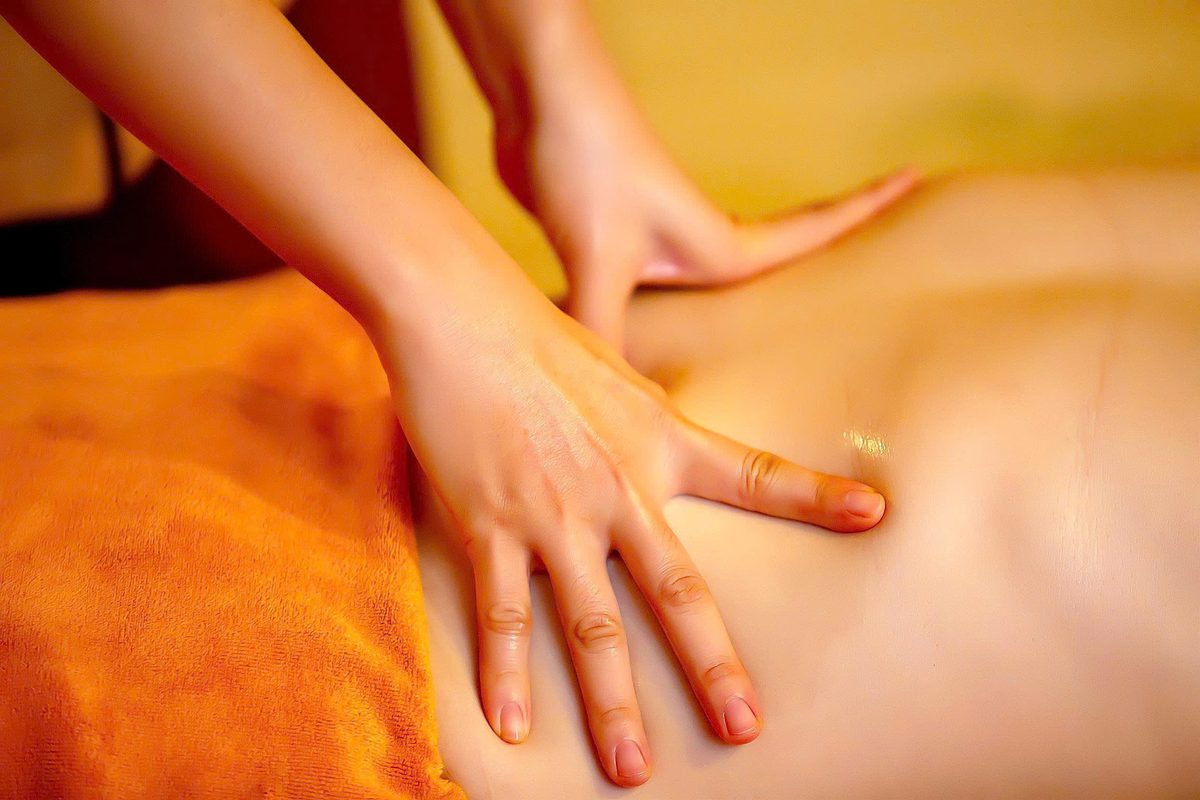
Rub both palms until warm, place them on either side of the lower back and rub up and down until the area feels warm. In the evening, soak the feet in warm water at about 38–42°C for 15–20 minutes before bed; people with diabetes must check the water temperature carefully. When sitting in air conditioning, keep the lower back covered.
3. Drink just enough water, eat lightly salted food
Drink according to your needs: pale yellow, clear urine means you are on track; dark yellow means you are short of water and should drink more; almost colourless urine may mean you are drinking too much. More is not always better: people with heart failure or severe kidney failure should follow their doctor's instructions. Eat lightly salted food, under 5 g of salt a day, and limit alcohol and beer. Do not take painkillers long term or "kidney tonic" herbs of unknown origin on your own, because the kidneys have to clear them.
4. Don't hold in urine
An adult bladder holds about 400–600 ml, and the urge to urinate usually comes at 200–300 ml. Holding it for long lets urine stagnate, helps bacteria grow and keeps the bladder stretched for a long time. Urinating about 4–8 times during the day and 0–1 times at night is common. Drivers, shop staff and office workers need a clear reminder.
5. Move regularly
After sitting for a long time, stand up and walk around. The Baduanjin (Eight Brocades) move "Two hands hold the feet to strengthen the kidneys and waist": bend forward and run both hands down the back to the legs, slowly, 6–8 times. People with spinal pain or high blood pressure should practise gently.
Learners look at the client and read the lower back to choose the advice
Daily kidney care in TCM does not mean giving all five tips to everyone. Ask about work and lifestyle: how long they sit, how much they drink, what time they sleep, how many times they get up at night to urinate. With the hands, read the lower back: cold skin and slack muscle call for warmth and foot soaks first; clients who often have hot palms and soles or trouble sleeping should be advised to sleep early and cut down on spicy, heating food (see Kidney yin deficiency and Kidney yang deficiency). For the warning signs, see signs of weak Kidneys in TCM.
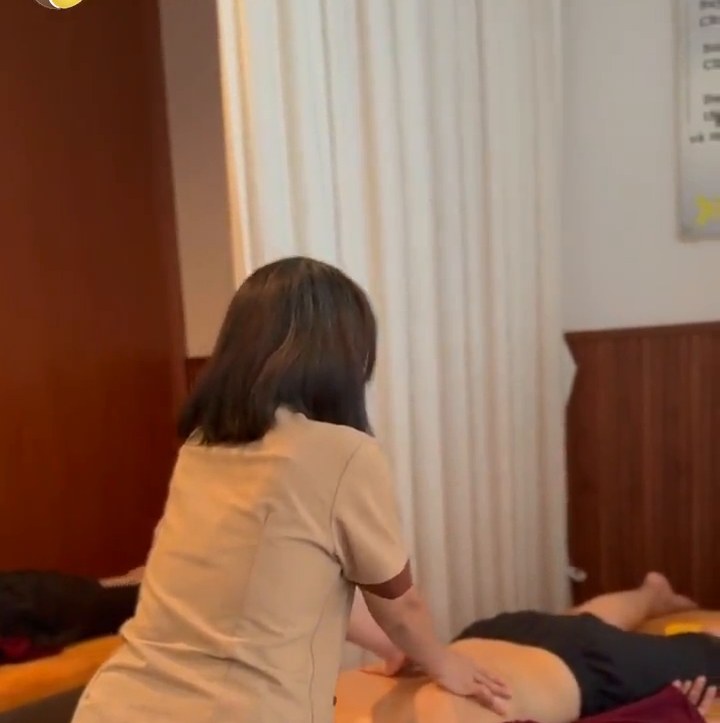
During the session: keep the back, belly and feet warm throughout; at the end, practise the lower-back warming rub with the client so they can do it at home. The acupoints used for the Kidney are covered separately in acupoints for Kidney care.
Don'ts: don't say "you have kidney deficiency", don't claim massage or foot soaks "detox the kidneys", don't promise to "boost the kidneys and virility", and don't tell clients to drop their doctor's instructions on blood pressure or blood sugar.
Lương Y Tống Văn Huynh teaches learners to help clients protect the root
With more than 13 years in the profession and hundreds of learners trained, Lương Y Tống Văn Huynh reminds the class: "Caring for the Kidney is caring for the root, and a root is not built up in one session; give the client one small thing to do each evening, and the root grows steadier day by day." Learners practise ending their advice with a question: which one will you do first tonight?
When to advise a client to see a doctor
Advise the client to get checked at a medical facility if they have: blood in the urine; a puffy face or swollen legs; flank or lower-back pain with fever or burning urination; cramping flank pain spreading to the lower belly; persistently foamy urine; very little urine or being unable to urinate; frequent night urination that continues; high blood pressure that is hard to control. People with high blood pressure, diabetes or over 60 should have regular urine and kidney function tests. Tong Gia Acupoint Wellness offers wellness care, not a medical service.
Which level covers this?
Daily kidney care in TCM and the standard advice script are in chapter 5, the Five Organs wellness part of the Specialist Course (L3). Beginners start with L1 Foundation (1.500.000₫). Staff confirm L2–L4 fees when you register. Read more about the teacher: Lương Y Tống Văn Huynh.
How to sign up
Beginners can join the trial class on Sunday morning, 9:00–12:00, with no fee, and the Y Tướng Học (face reading for wellness) class on Sunday, at căn T16-21 khu Manhattan, Vinhomes Grand Park, TP. Thủ Đức (unit T16-21, Manhattan block, Thu Duc City). Tong Gia does not promise jobs or income after the course. Book a trial class or call the training hotline 0917 945 259.
Frequently asked questions
What does daily kidney care in TCM involve? Sleeping before 11 pm, keeping the lower back, belly and feet warm, drinking just enough water, eating lightly salted food, not holding in urine and moving regularly.
How much water is enough for the kidneys? Drink according to your needs; pale yellow urine means you are on track. People with heart failure or severe kidney failure should follow their doctor's instructions.
Do warm foot soaks "detox the kidneys"? No. Soaking the feet in warm water at about 38–42°C for 15–20 minutes helps you relax, warms the feet and makes sleep easier; people with diabetes need to check the temperature carefully.
Where can I learn to advise clients on Kidney care? In the Five Organs wellness part of the Specialist Course (L3) at Tong Gia Acupoint Wellness, Vinhomes Grand Park, Thu Duc City. Trial class Sunday morning 9:00–12:00, hotline 0917 945 259.
Related articles
- The 12 main meridians: names, pathway rules and peak hours, an easy table for vocational learners
- Face reading for health: the 3 facial zones in Y Tướng Học, how to divide them and how to read them to care for the body properly
- What are the 8 extraordinary vessels: roles, main pathways and how wellness learners use them
- Yin-Yang and the Five Elements for wellness learners: enough to make the hands work right
- All articles about learning the trade
Reserve a free Sunday-morning trial class or ask about the learning path: message Zalo 0917 945 259.

Founder of Tong Gia Acupoint Wellness (Huyệt Đạo Tống Gia), with more than 13 years in Eastern wellness practice, Y Tướng Học (face reading for wellness) and spinal nerve-reflex balancing. Lương Y's story
417 customers have reviewed Tong Gia on Google Maps
Reviews are written by customers themselves on Google; tap to read them before you visit.
Huyệt Đạo Tống Gia Quận 12
225 Dương Thị Mười, Phường Tân Chánh Hiệp (District 12, Ho Chi Minh City). 8:00 – 19:00 daily.
See reviews on Google MapsHuyệt Đạo Tống Gia Quận 9
Căn T16-21 khu Manhattan, Vinhomes Grand Park, Phường Long Bình (Thủ Đức City, Ho Chi Minh City). 9:00 – 20:00 daily.
See reviews on Google MapsWant to be observed in person?
A 90-minute session starts with observation, and only then moves on to muscle release and acupressure on the right areas. Two branches: District 12 and Vinhomes Grand Park.