Caring for a family member after a stroke: should you massage them yourself, and what to learn
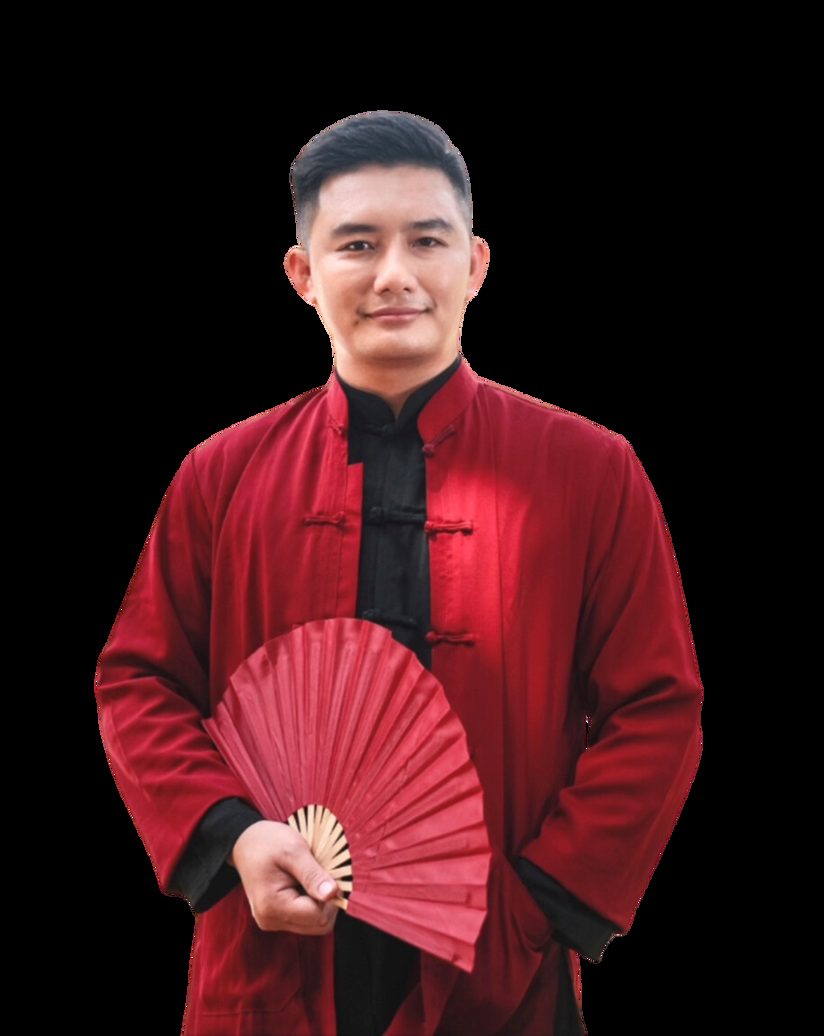
Lương Y (traditional healer) Tống Văn Huynh · Tong Gia Acupoint Wellness (Huyệt Đạo Tống Gia) · 17/11/2026
Caring for a family member after a stroke, should you massage them yourself? Yes, but only once they are stable, the care team in charge agrees, and the massage is gentle support that does not replace rehabilitation sessions. Tong Gia Acupoint Wellness (Huyệt Đạo Tống Gia) teaches families hand pressure, positioning, zones to avoid and emergency signs.
Questions families often ask about massage after a stroke
My relative just had a stroke and is in hospital or only a few days home. Should I massage or press points on the weak arm and leg myself?
In the early phase, do not massage without asking the care team in charge. Once the person is stable and you have approval, the family can stroke gently and move joints as instructed. Tong Gia Acupoint Wellness teaches families the right pressure and the zones to avoid.
Which areas and movements should be avoided when massaging someone after a stroke?
Avoid firm pressure on the neck, never twist the weak shoulder, never pull the weak arm to lift the person, and never rub a swollen, red, painful calf on one side, as it may be a blood clot. If you see warning signs, call emergency services (115 in Vietnam).
Where can I learn massage to care for my parents after a stroke in Ho Chi Minh City or Thu Duc?
Tong Gia Acupoint Wellness teaches families hands-on health care, with a Sunday morning trial class 9:00–12:00 at unit T16-21, Manhattan block, Vinhomes Grand Park. Training hotline 0917 945 259.
The direct answer: yes, with conditions
The question caring for a family member after a stroke, should you massage them yourself is the one we hear most from sons and daughters caring for their parents. The answer: yes, once the person is past the acute phase, stable, and the care team following them agrees. Family massage is supportive: it helps someone who lies down a lot feel more comfortable, less stiff and in better spirits, but it does not replace the rehabilitation sessions the care team prescribes.
Three phases, three approaches
| Phase | Family can | Do not |
|---|---|---|
| Just happened, in hospital | Change position as instructed, talk, hold hands gently | Massage, press points or scrape the skin |
| Newly home, stable | Ask the care team, stroke the weak limbs gently, move joints as assigned | Press hard, force joints, pull the weak arm |
| Settled into home life | Gentle daily massage, a few wellness points, fit around the exercise schedule | Drop rehabilitation thinking massage is enough |
What families need to learn
- Hand pressure: the weak side often has reduced sensation, so the person may not report pain in time. Pressure should be as light as applying moisturiser, slow and even.
- Direction: from the ends of the limbs towards the body (hand to shoulder, foot to thigh), which helps someone lying down a lot feel lighter.
- Positioning: on the back or side with a pillow under the weak shoulder; the weak shoulder easily drops, so do not let the arm hang off the bed.
- A few gentle points: Hegu (LI4) on the back of the hand, Zusanli (ST36) below the knee, Yongquan (KI1) on the sole, 30–60 seconds of light circles.
- Observation: watch the complexion, breathing and any red pressure spots on the skin to report to the care team.
Caring for older people is covered in learning acupressure for older people; caring for someone who is bedbound is covered in learning massage for people who lie in bed for long periods.
Things never to do
- Do not press or squeeze the neck hard, do not twist the neck.
- Do not pull the weak arm to lift the person, do not force the weak shoulder.
- Do not rub a calf that is swollen, warm and painful on one side: it may be a blood clot, report it to health staff immediately.
- Do not rub red pressure areas or sores.
- Do not give medicines, medicinal wine or hot plasters on your own.
Signs that mean calling emergency services
Families should know “BE FAST”: loss of Balance, sudden blurred Eyes, a drooping Face, Arm or leg weakness on one side, Speech difficulty, and Time to call. Also: a sudden severe headache, drowsiness, shortness of breath, chest pain. When you see these signs, stop the massage and call emergency services (115 in Vietnam) without waiting.
Why families should learn with a guide
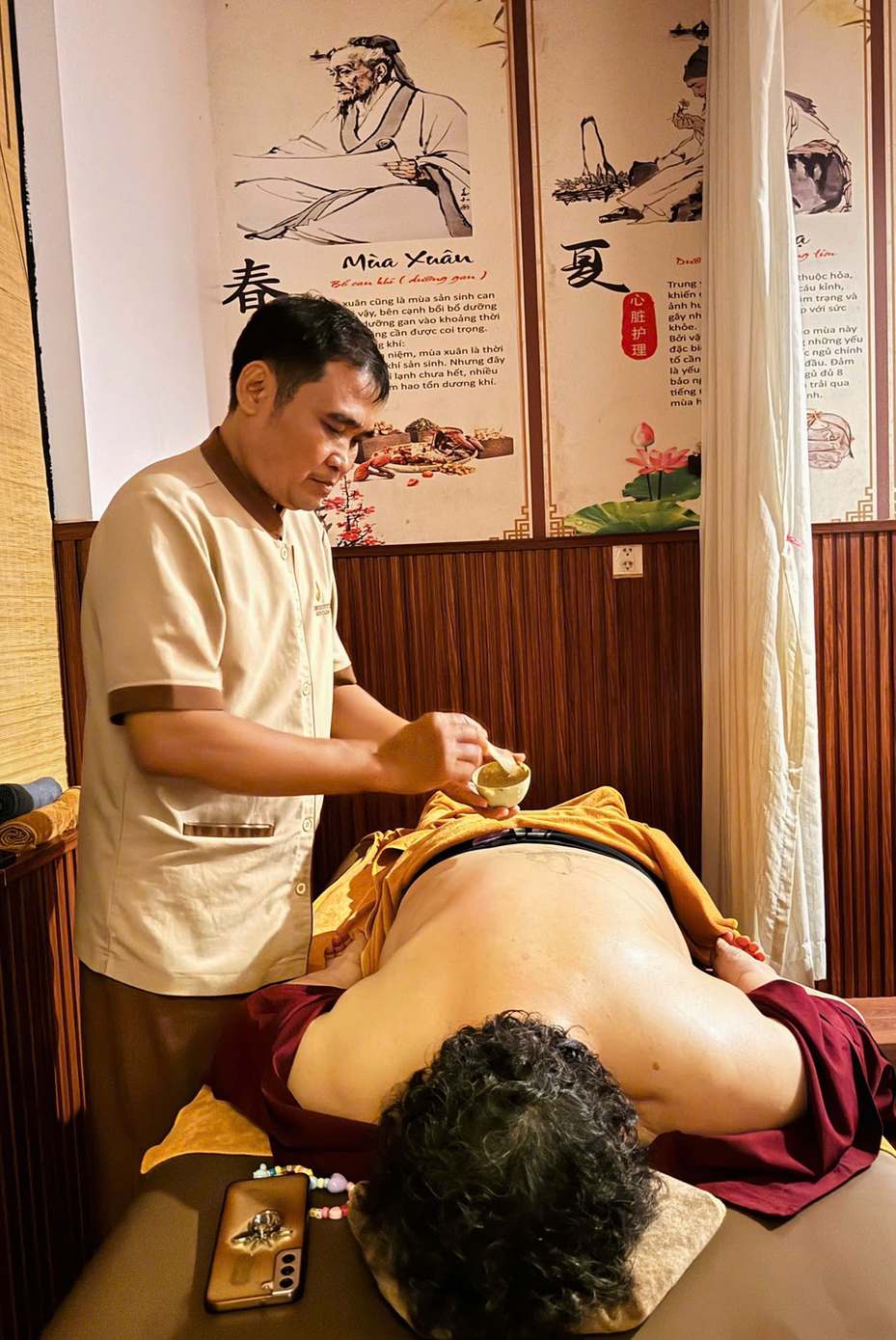
Caring for someone after a stroke is a long road. Loving children often overdo it, or are too afraid to touch at all. A few sessions teach families how much pressure is enough, where to place the hands, and why Eastern medicine values keeping qi and blood moving in someone who lies down a lot. At Tong Gia Acupoint Wellness, Lương Y Tống Văn Huynh, with more than 13 years in the craft, teaches on real people, with about 70% of the time in practice. Family-care learners start at L1 Introduction and can go on to spinal nervous reflex balancing massage to understand why a straight spine and correct lying position help a bedbound person feel less stiff. Tong Gia teaches hands-on health care; it is not a medical facility, and caring for someone after a stroke always goes together with the care team in charge.
How to register
The Sunday morning trial class, 9:00–12:00, and the Sunday Y Tuong Hoc session with no fee are open sessions for beginners, at unit T16-21, Manhattan block, Vinhomes Grand Park, Thu Duc City. Book a trial class or call the training hotline 0917 945 259.
Frequently asked questions
How long after a stroke can family members start massage? There is no single timeline. Start only when the person is stable and the care team in charge agrees.
Can massage replace rehabilitation exercises? No. Family massage only supports comfort; the exercise schedule from the care team still comes first.
How much pressure is right after a stroke? As light as applying moisturiser, slow and even, because the weak side often has reduced sensation.
Should I rub a calf that is swollen and painful on one side? No. It may be a blood clot; tell health staff immediately.
Where can families learn massage for post-stroke care? At Tong Gia Acupoint Wellness, unit T16-21, Manhattan block, Vinhomes Grand Park, Thu Duc City; Sunday morning trial class 9:00–12:00, hotline 0917 945 259.
Related articles
- The 12 main meridians: names, pathway rules and peak hours, an easy table for vocational learners
- Face reading for health: the 3 facial zones in Y Tướng Học, how to divide them and how to read them to care for the body properly
- What are the 8 extraordinary vessels: roles, main pathways and how wellness learners use them
- Yin-Yang and the Five Elements for wellness learners: enough to make the hands work right
- All articles about learning the trade
Reserve a free Sunday-morning trial class or ask about the learning path: message Zalo 0917 945 259.

Founder of Tong Gia Acupoint Wellness (Huyệt Đạo Tống Gia), with more than 13 years in Eastern wellness practice, Y Tướng Học (face reading for wellness) and spinal nerve-reflex balancing. Lương Y's story
417 customers have reviewed Tong Gia on Google Maps
Reviews are written by customers themselves on Google; tap to read them before you visit.
Huyệt Đạo Tống Gia Quận 12
225 Dương Thị Mười, Phường Tân Chánh Hiệp (District 12, Ho Chi Minh City). 8:00 – 19:00 daily.
See reviews on Google MapsHuyệt Đạo Tống Gia Quận 9
Căn T16-21 khu Manhattan, Vinhomes Grand Park, Phường Long Bình (Thủ Đức City, Ho Chi Minh City). 9:00 – 20:00 daily.
See reviews on Google MapsWant to be observed in person?
A 90-minute session starts with observation, and only then moves on to muscle release and acupressure on the right areas. Two branches: District 12 and Vinhomes Grand Park.