Massage course Vietnam: the 5 pressure levels of therapeutic-style massage, from one finger to full-body strength
Lương Y (traditional healer) Tống Văn Huynh · Tong Gia Acupoint Wellness (Huyệt Đạo Tống Gia) · 09/11/2026
The 5 pressure levels in massage, as taught on a massage course in Vietnam at Tong Gia, are a scale of force for the hands, not the settings of a massage chair: one finger, the whole hand, the bent arm, the straight arm and full-body strength, from light to strong. Tong Gia teaches choosing the level by muscle area, following the idea “the signs show outside, the organs lie inside”.
What do you notice when a client says “too hard” or “not enough”?
After several years in the trade, many massage practitioners still face this: with the same hand pressure, one client says it is just right while another winces. The reason is usually not weak or strong hands, but that the pressure has no scale. Without a scale, the practitioner can only guess.
In the therapeutic-style massage for spinal nerve-reflex balancing, Lương Y Tống Văn Huynh places “Setting the force” as the 5th of the 8 working principles. The phrase to remember is short: light to strong, 5 levels.
What are the 5 pressure levels in massage?
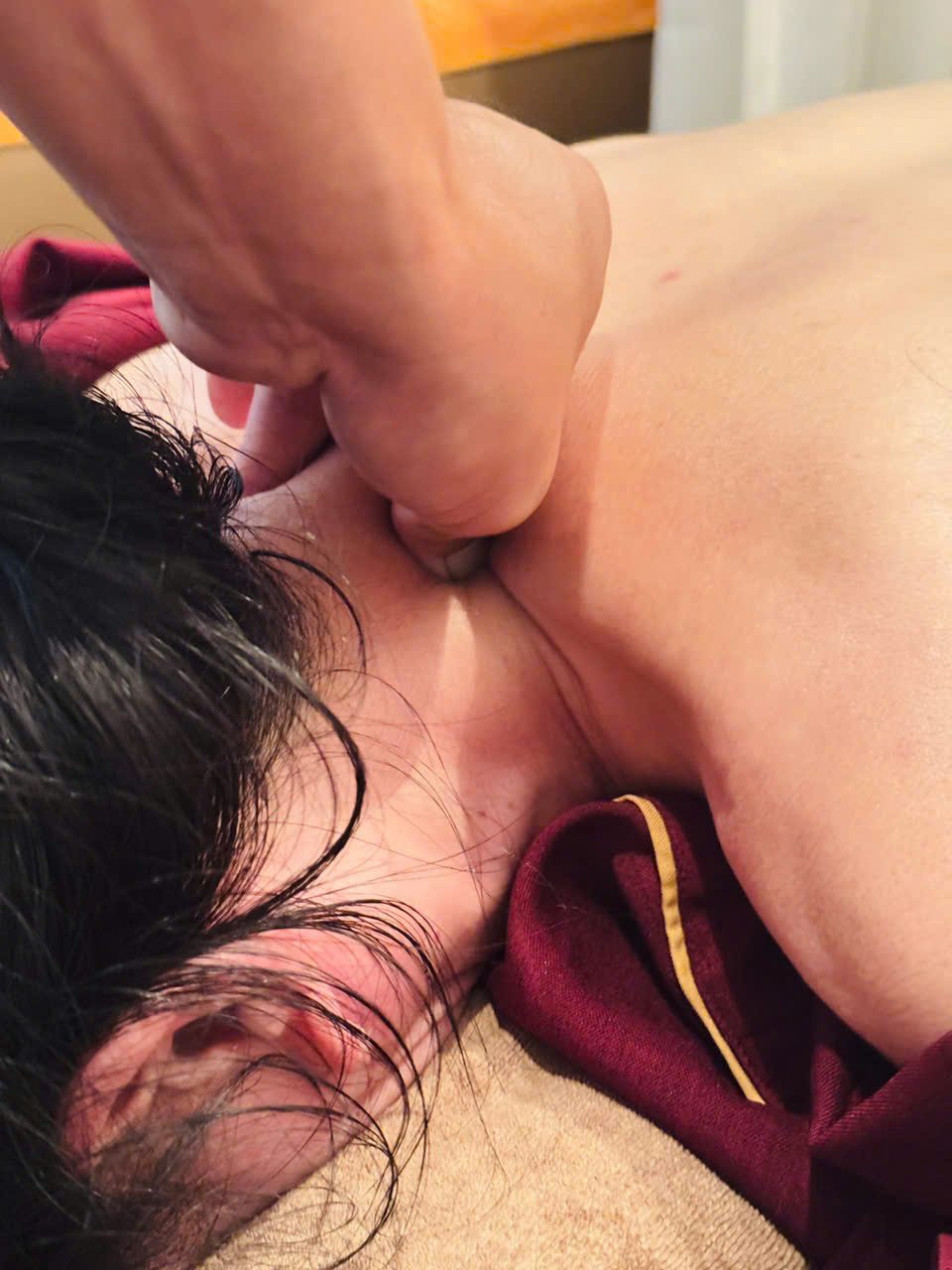
- One finger: the force is gathered into the tip of the thumb or index finger. Used to search for points, press small acupoints and work thin-skinned areas such as the neck, the nape and around the shoulder blades.
- Whole hand: the force spreads evenly across the palm. Used to stroke, press flat, warm up and open an area before going deeper.
- Bent arm: the elbow is bent and the force travels from the shoulder down through the forearm. Suits thick muscle groups such as the back and the buttocks.
- Straight arm: the elbow is lightly locked and the force from the torso flows through the straight arm. The pressure is steadier and deeper, yet the practitioner tires less because the arm muscles are not strained.
- Full-body strength: stand in the correct posture and channel body weight through the hands. Only for healthy people with thick muscles, after all the previous levels have been worked through.
This order is not about climbing to level 5 at all costs. The right level is the lowest one that already creates a “sensation wave”, a feeling of pleasant ache and pressure while the client still breathes evenly. See also the article on creating a sensation wave in massage.
Why go from light to strong?
A tense muscle that meets strong pressure right away usually contracts to defend itself. Then the harder the practitioner presses, the stiffer the muscle gets and the more it hurts, without any relief. Starting light lets the muscle get used to the hands and the blood vessels in the area warm up, so it can then take deeper pressure.
The 5-level scale also helps the practitioner save strength. Using only the thumb for a 90-minute session easily leaves the fingers sore by the end of the day. Knowing how to switch to the palm, the arm and body weight is how to last in the trade. The article how to apply force in acupressure goes deeper into applying, holding and releasing pressure at each point.
Try it now: practise the 5 pressure levels on your own thigh
- Sit upright and place your hand on the front of your thigh.
- Press in turn with one thumb, then the whole hand, then lean on the forearm with the elbow bent, then straighten the arm and lean your body forward.
- Hold each level for 3 breaths. Note the feeling in the thigh: where it is shallow, where it is deep, at which level it starts to feel achy.
- Switch hands and compare both sides. You will notice that at the same level, your dominant and non-dominant hands give different pressure.
Note: when should you use only light pressure?
- Older people, thin people, people with thin skin who bruise easily.
- People taking blood thinners: use only light pressure and avoid bruised areas.
- The neck, chest and abdomen: never use full-body strength.
- Clients with lasting pain, numbness or weakness that keeps getting worse, or underlying health conditions: stop and advise the client to see a doctor at a medical facility.
Massage at Tong Gia is wellness care that helps people relax; it does not replace a doctor's check-up when there are unusual signs.
Where can you learn the 5 pressure levels?
Reading about it is easy, but feeling the boundary between level 3 and level 4 takes someone placing their hands next to yours. In the Specialist Course (level L3), the therapeutic-style massage for spinal nerve-reflex balancing teaches setting the force together with setting the direction, setting the amount and regulating warmth, with afternoons of hands-on practice on real people guided by Lương Y. See the content of this part on the page learn therapeutic-style massage for spinal reflex balancing. Before laying hands on, students also learn to read a person's constitution from their appearance with Y Tướng Học (face reading for wellness) to choose a pressure level that suits their condition.
How to register
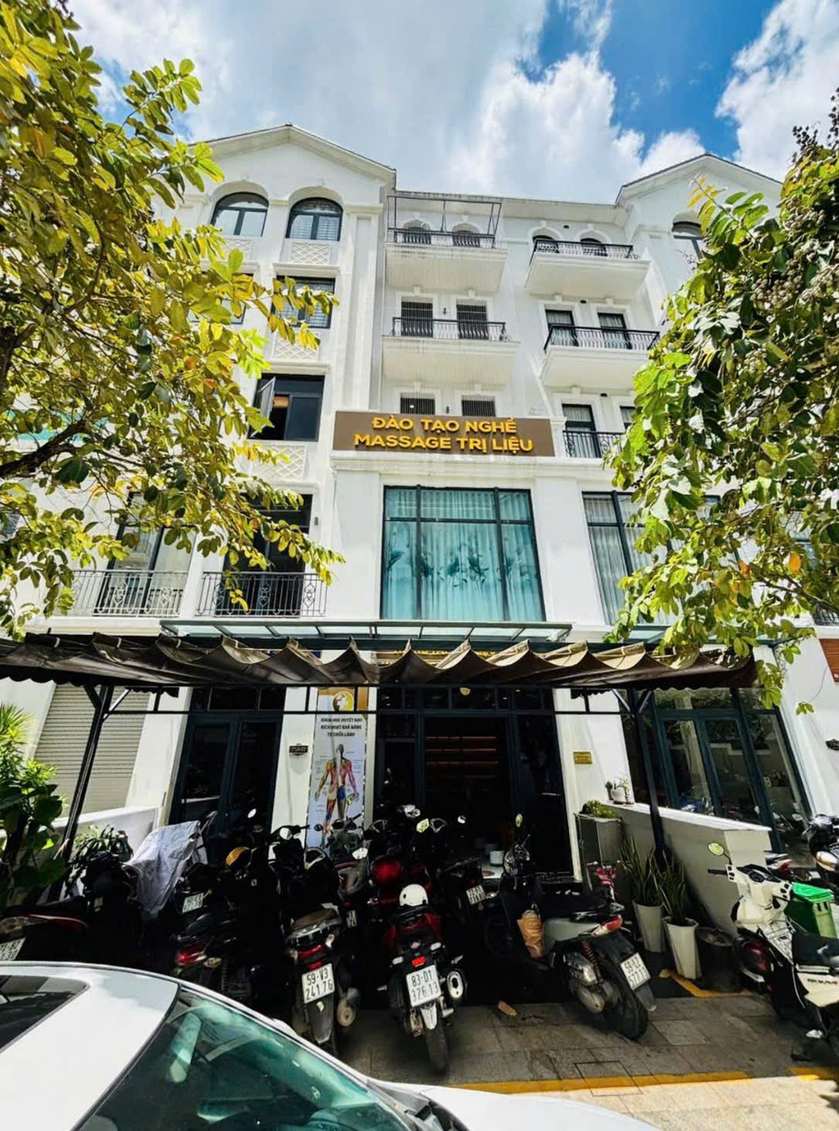
The Sunday-morning trial class, 9:00–12:00 every week, and the free Sunday Y Tướng Học session are the open schedule for newcomers, at unit T16-21, Manhattan area, Vinhomes Grand Park, Thủ Đức City (Ho Chi Minh City). The Specialist Course fee is given by a consultant when you register. Register for a trial class or call the training hotline 0917 945 259.
Frequently asked questions
What are the 5 pressure levels in massage? In the Tong Gia method they are one finger, the whole hand, the bent arm, the straight arm and full-body strength, used in order from light to strong.
Is stronger massage always better? No. The right level is the lowest one that already creates a pleasant ache while the client still breathes evenly. Pressure that is too strong makes the muscle contract to defend itself.
How can you massage for a long time without sore hands? Shift the force from the fingers to the palm, the arm and body weight instead of straining the thumb all session.
When should massage be only light? For older people, people with thin skin who bruise easily, people taking blood thinners, and on the neck, chest and abdomen. Lasting pain or numbness and weakness that keeps getting worse should be checked by a doctor.
Are the 5 pressure levels in massage the same as the settings on a massage chair or massage gun? No. These are the 5 pressure levels of the practitioner’s hands in the Tong Gia Specialist curriculum: one finger, the whole hand, the bent arm, the straight arm and full-body strength, chosen by muscle area and the client’s feedback.
Related articles
- The 3 “no’s” of the Tong Gia spinal balancing method: no needles, no medicine, no rough force
- How the 33 vertebrae are grouped into regions: the spine map every therapeutic-style massage student must know
- 4 objective factors when reading the spine by hand: let the hands record, not guess
- 5 vertebral patterns (raised, sunken, shifted): reading the spine by hand in the Specialist course
- All articles on learning the trade
Reserve a free Sunday-morning trial class or ask about the learning path: message Zalo 0917 945 259.

Founder of Tong Gia Acupoint Wellness (Huyệt Đạo Tống Gia), with more than 13 years in Eastern wellness practice, Y Tướng Học (face reading for wellness) and spinal nerve-reflex balancing. Lương Y's story
417 customers have reviewed Tong Gia on Google Maps
Reviews are written by customers themselves on Google; tap to read them before you visit.
Huyệt Đạo Tống Gia Quận 12
225 Dương Thị Mười, Phường Tân Chánh Hiệp (District 12, Ho Chi Minh City). 8:00 – 19:00 daily.
See reviews on Google MapsHuyệt Đạo Tống Gia Quận 9
Căn T16-21 khu Manhattan, Vinhomes Grand Park, Phường Long Bình (Thủ Đức City, Ho Chi Minh City). 9:00 – 20:00 daily.
See reviews on Google MapsWant to be observed in person?
A 90-minute session starts with observation, and only then moves on to muscle release and acupressure on the right areas. Two branches: District 12 and Vinhomes Grand Park.