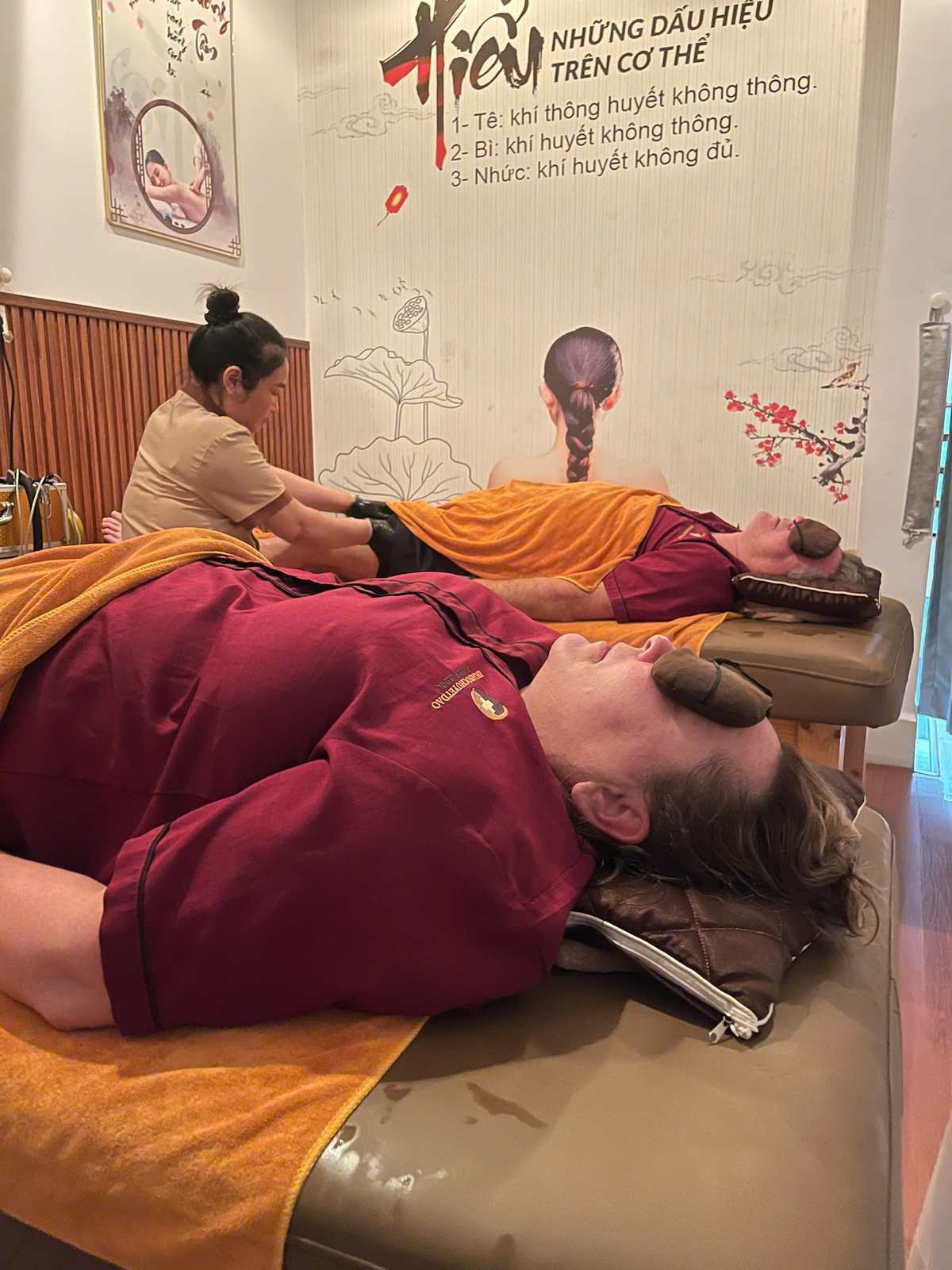
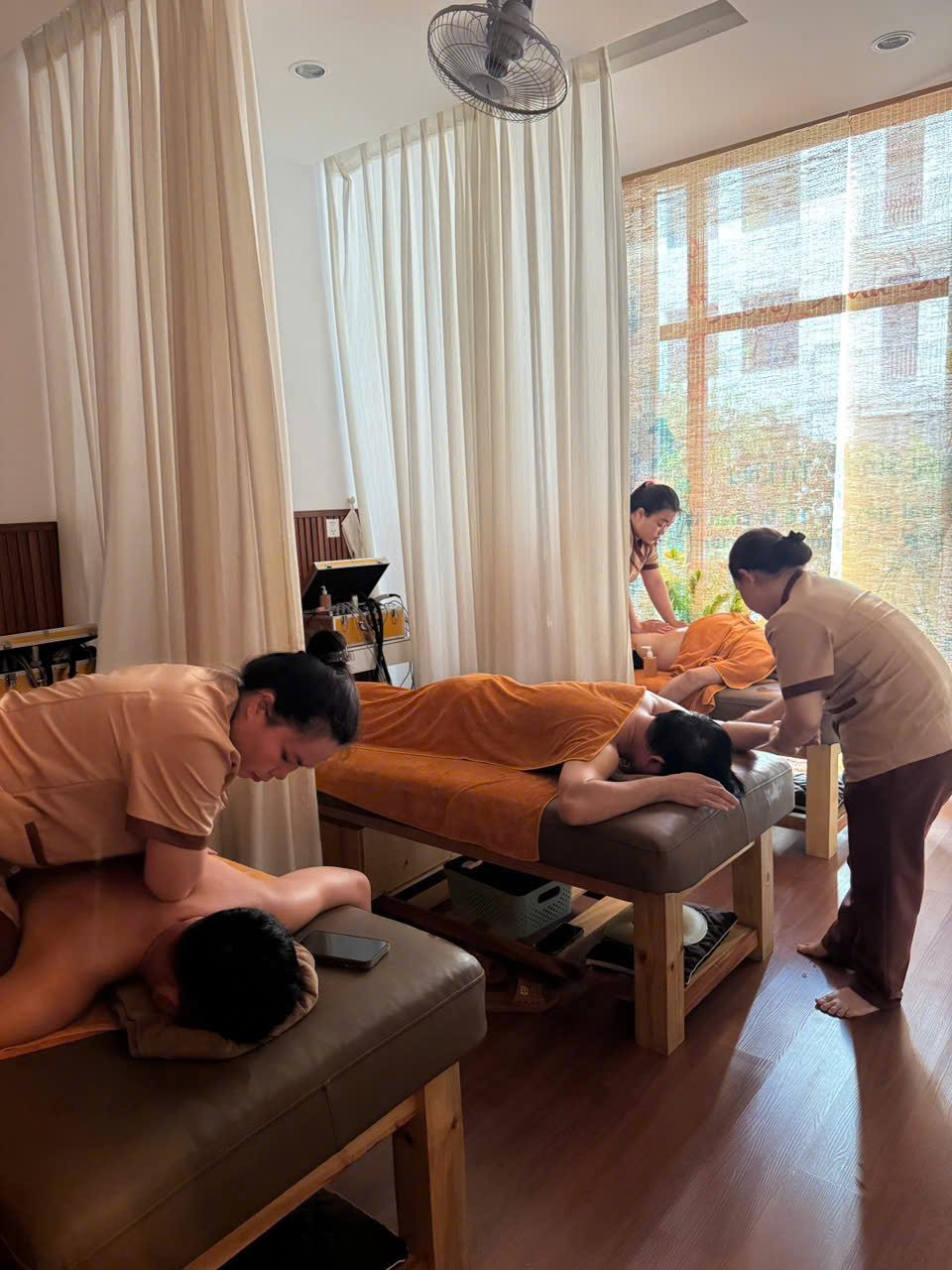
Is 30 too late to change careers? Not too late, but weigh 4 things before you make the move
Lương Y (traditional healer) Tống Văn Huynh · Tong Gia Acupoint Wellness (Huyệt Đạo Tống Gia) · 11/11/2026
Is 30 too late to change careers? No, it is not too late. At this age you still have your health and real life experience, so learning a new trade usually goes with more focus. Tong Gia advises working out your study time and your living costs during the switch in advance, and trying the new trade before you leave your current job.
Why do so many people want to change careers at 30?
Thirty is when many people take stock. After seven or eight years of work, you know whether your current job suits you. Some are tired of sitting at a computer all day, some factory workers find their strength can’t keep up, some want a trade they can run themselves, on their own hours. The question that usually follows: is 30 too late to change careers?
The short answer is no. The full answer is: not too late, but you can’t switch on impulse the way you might straight out of school. At this age many people already have a family and monthly bills to pay. A career change needs a plan.
The advantages of changing careers at 30
- You know what you want. Having been through work that didn’t fit, you choose the new trade more carefully.
- You study with more focus. Adults learn because they need to, not because they are forced to, so they practise more consistently.
- You have communication skills. Experience working with other people helps a great deal in trades that involve caring for people.
- You are still fit enough. Hands-on trades like therapeutic-style massage need stamina; thirty is still a good age to train your hands.
4 things to plan before changing careers
- Study time. A hands-on trade takes a few months of learning and practice before it becomes solid. Ask the school clearly: how many sessions, how long each one lasts, and whether there are evening or weekend classes.
- Money to live on during the switch. Have enough set aside to live on for a few months, or study alongside your current job instead of quitting right away.
- Try the trade first. Attend a trial class, talk to people already working in the trade, practise on your own family. Don’t quit your job before you know you like the new trade.
- Your path after the course. Do you want to work for an established business, work freelance at clients’ homes, or open a small shop later on? Each direction needs different preparation.
Is hands-on wellness care a good fit for career changers?
Many 30-year-olds choose to learn massage and acupressure or therapeutic-style massage because the work is done with the hands, is hard for machines to replace, can start small and can be done in the evenings before leaving the old job. After the course you can also care for your parents, spouse and children.
But the trade has its difficulties too: the hands need long practice, you work around clients’ schedules, and you have to look after your own wrists and back. Learners need to understand clearly that this is wellness care, not a medical profession. Read more before deciding: switching careers to therapeutic-style massage: 4 steps to test before you decide.
If you are older, there is a separate article: learning a trade at 40.
A suggested path for 30-year-olds
- First month: attend a trial class, read about the trade, give your family members a massage.
- The next few months: take a structured course on fixed days, keeping your old job if you can.
- Once your hands are steady: take on a few extra shifts, get feedback, refine your technique.
- Once you are sure: only then move fully into the new trade.
Going step by step lets you change careers without putting your whole family in a difficult position.
Learning at Tong Gia
At Tong Gia, Lương Y Tống Văn Huynh personally teaches therapeutic-style massage with spinal nerve-reflex balancing, and Y Tướng Học (face reading for wellness), the art of reading a person’s complexion and vitality to understand them before laying on hands. Classes are full of working adults and career changers; most of the time is hands-on practice on real people. Tong Gia does not promise jobs or income after the course; learners can study to work in the trade, to care for their family or to help others.
How to sign up
The Sunday morning trial class, 9:00–12:00, and the free Sunday Y Tướng Học session are the open schedule for newcomers, at căn T16-21 khu Manhattan, Vinhomes Grand Park, TP. Thủ Đức (Thủ Đức City, Ho Chi Minh City). Sign up for a trial class or call the training hotline 0917 945 259.
Questions learners often ask
Is 30 too late to switch careers to massage in Vietnam?
No. At 30 your hands are strong and life experience helps you focus. The trade needs muscle and spinal anatomy plus Y Tướng Học, reading inner organs from outer signs. Tong Gia makes no job or income promises. Try a free class first, Sunday morning 9:00–12:00, Unit T16-21, Vinhomes Grand Park, Thu Duc City, HCMC; Zalo/WhatsApp +84 917 945 259.
Frequently asked questions
Is 30 too late to change careers? No. At 30 you know what you want and study with more focus; just plan ahead for study time and living costs, and try the trade first.
What trade should I learn at 30? Choose a trade with a learning path of a few months that you can study alongside your current job and that makes use of the communication experience you already have. Hands-on wellness trades such as therapeutic-style massage and acupressure massage suit people who are in good health and enjoy caring for others; take a trial class before you decide.
Should I quit my job before learning a new trade? It is better to study alongside it and try the trade first, and only switch fully once your hands are steady and you are sure you like the new trade.
How long does it take to learn therapeutic-style massage? It takes a few months of study and regular hands-on practice to become solid; the exact time depends on the learning path and how much you practise.
When is the trial class at Tong Gia? Sunday mornings, 9:00–12:00, at Vinhomes Grand Park, Thủ Đức City; Y Tướng Học is free on Sundays. Training hotline 0917 945 259.
Related articles
- Career change from factory work to a lighter trade: what "lighter" really means and 4 safe steps to switch
- The 12 main meridians: names, pathway rules and peak qi hours, an easy-to-remember table for learners
- The 3 “no’s” of the Tong Gia spinal balancing method: no needles, no medicine, no rough force
- The 3 zones of the face in Y Tướng Học: how to divide them and read them for the right care
- All articles about learning the trade
Reserve a free Sunday-morning trial class or ask about the learning path: message Zalo 0917 945 259.

Founder of Tong Gia Acupoint Wellness (Huyệt Đạo Tống Gia), with more than 13 years in Eastern wellness practice, Y Tướng Học (face reading for wellness) and spinal nerve-reflex balancing. Lương Y's story
417 customers have reviewed Tong Gia on Google Maps
Reviews are written by customers themselves on Google; tap to read them before you visit.
Huyệt Đạo Tống Gia Quận 12
225 Dương Thị Mười, Phường Tân Chánh Hiệp (District 12, Ho Chi Minh City). 8:00 – 19:00 daily.
See reviews on Google MapsHuyệt Đạo Tống Gia Quận 9
Căn T16-21 khu Manhattan, Vinhomes Grand Park, Phường Long Bình (Thủ Đức City, Ho Chi Minh City). 9:00 – 20:00 daily.
See reviews on Google MapsWant to be observed in person?
A 90-minute session starts with observation, and only then moves on to muscle release and acupressure on the right areas. Two branches: District 12 and Vinhomes Grand Park.